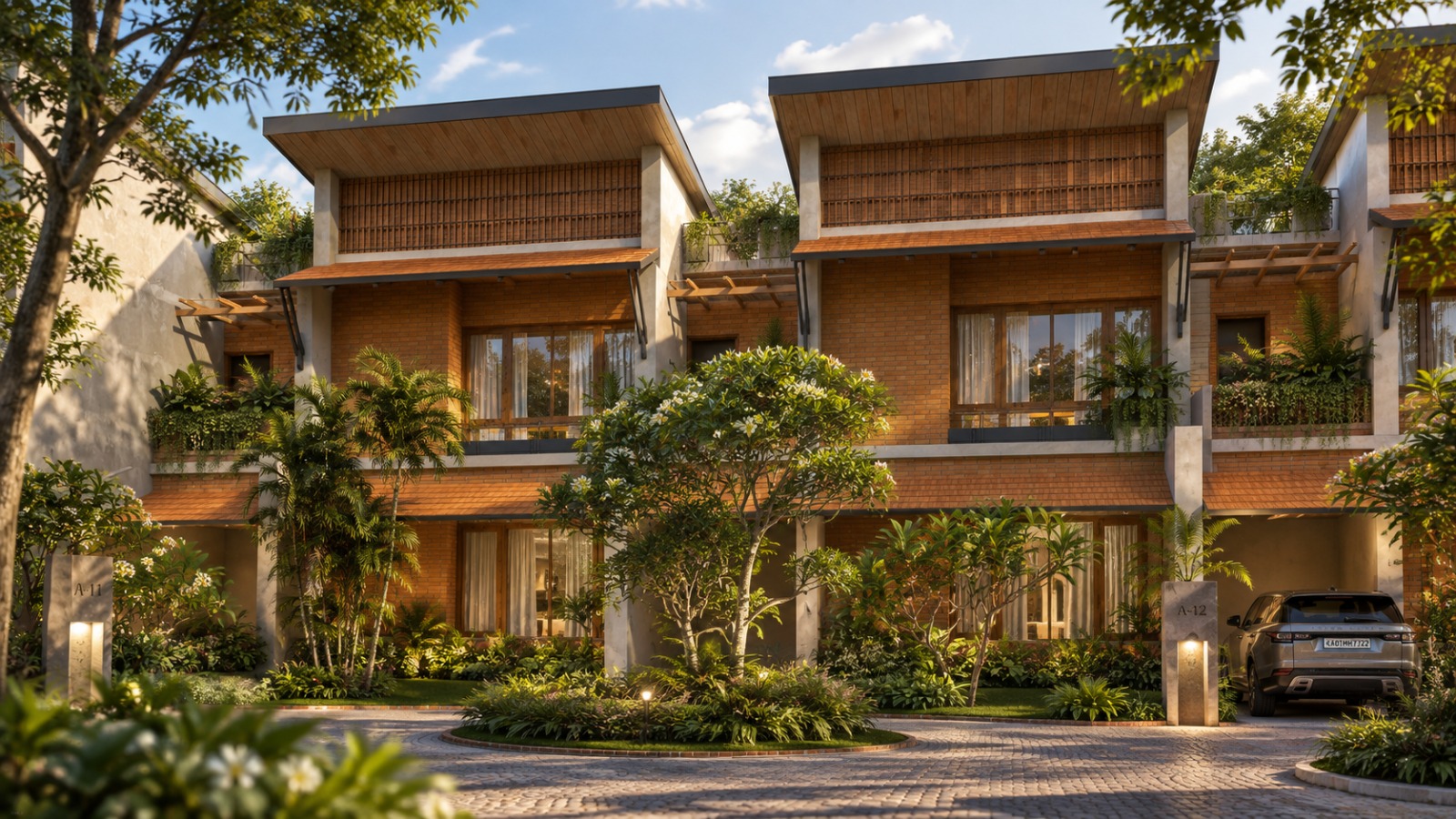

In real estate, design is often mistaken for appearance. Elevations, façade treatments, and colour palettes attract attention because they are immediately visible. Yet true design goes far deeper. It is not defined by how a building looks on launch day, but by how it performs every day after people move in.
Purposeful design begins with understanding how people actually live. Homes follow rhythms. Mornings are fast and functional. Evenings are quieter. Weekends invite social interaction. Families require flexibility, privacy, and comfort across generations. When design responds to these patterns, spaces feel intuitive. When it ignores them, even the most visually impressive home can feel inconvenient.
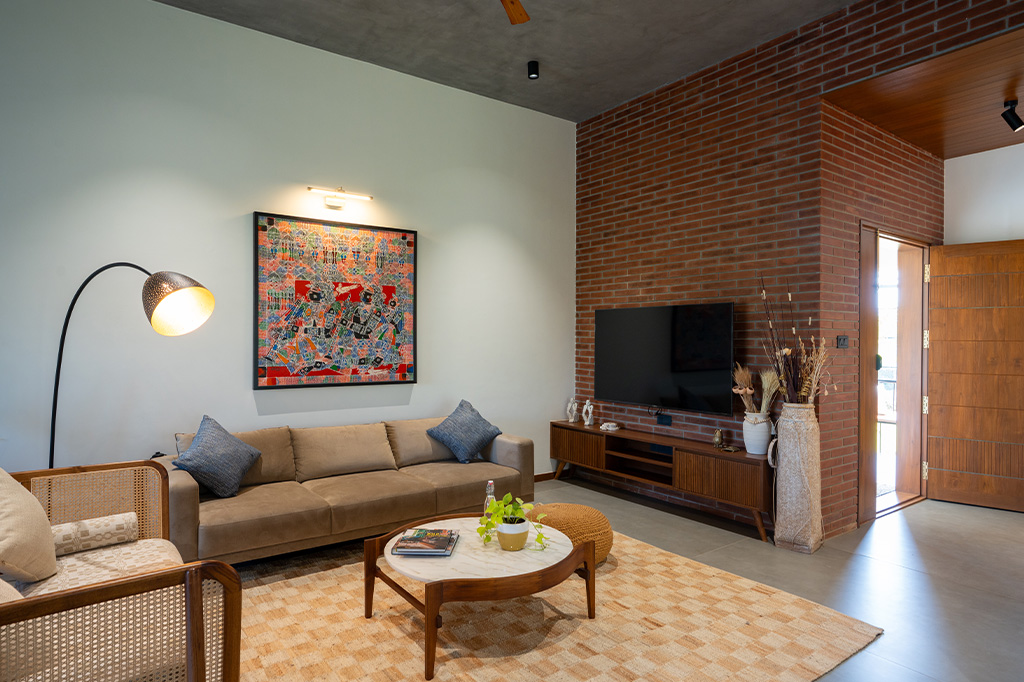
Layout planning is therefore one of the most critical aspects of residential design. Room placement must follow usability rather than aesthetics alone. Living spaces should feel open and welcoming, while bedrooms must offer privacy and calm. Kitchens must support efficient movement, and circulation between spaces should feel natural rather than forced.
Circulation, though rarely discussed, strongly influences the experience of a home. Poor circulation leads to awkward movement, blocked pathways, and inefficient furniture placement. Thoughtful circulation, by contrast, allows residents to move seamlessly from entrance to living areas, from kitchen to dining, and from private rooms to shared spaces. When movement flows naturally, a home feels larger and more comfortable.
Natural light is another defining element of purposeful design. Homes that rely heavily on artificial lighting during the day increase energy consumption and reduce well-being. Proper window orientation and thoughtful planning allow daylight to reach deeper into interior spaces. Along with light, ventilation plays an equally important role. Cross-ventilation improves indoor air quality and helps regulate temperature, particularly in warmer climates.
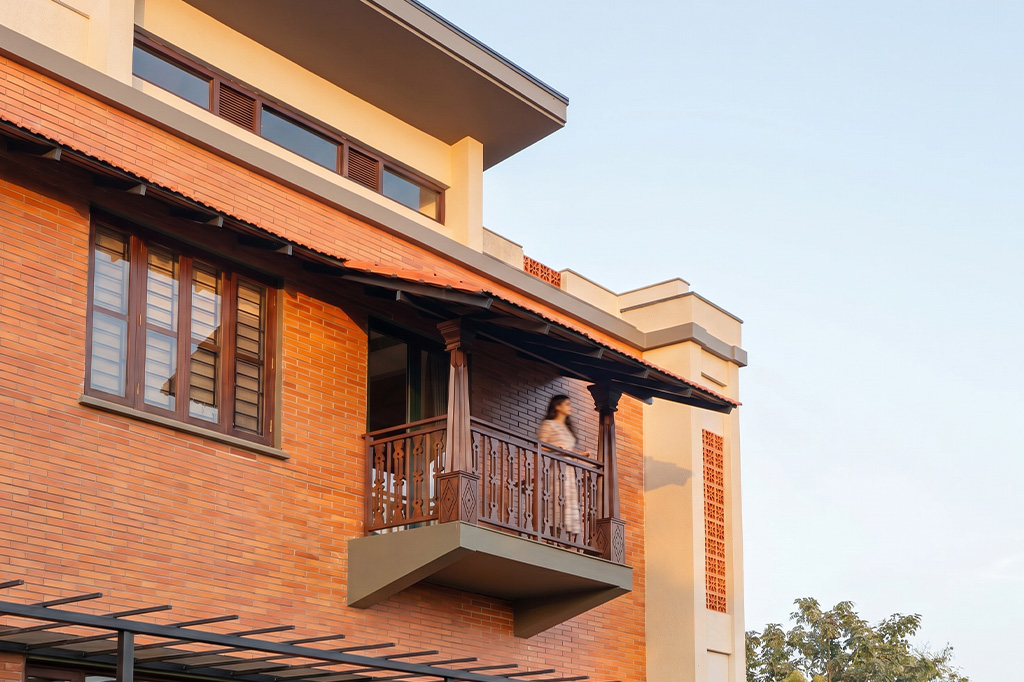
Privacy is also fundamental to good design. Bedrooms should remain private, away from public areas. Bathrooms should not interrupt social spaces. Balconies should offer openness without compromising security. These considerations may appear subtle, but they shape the everyday comfort of residents.
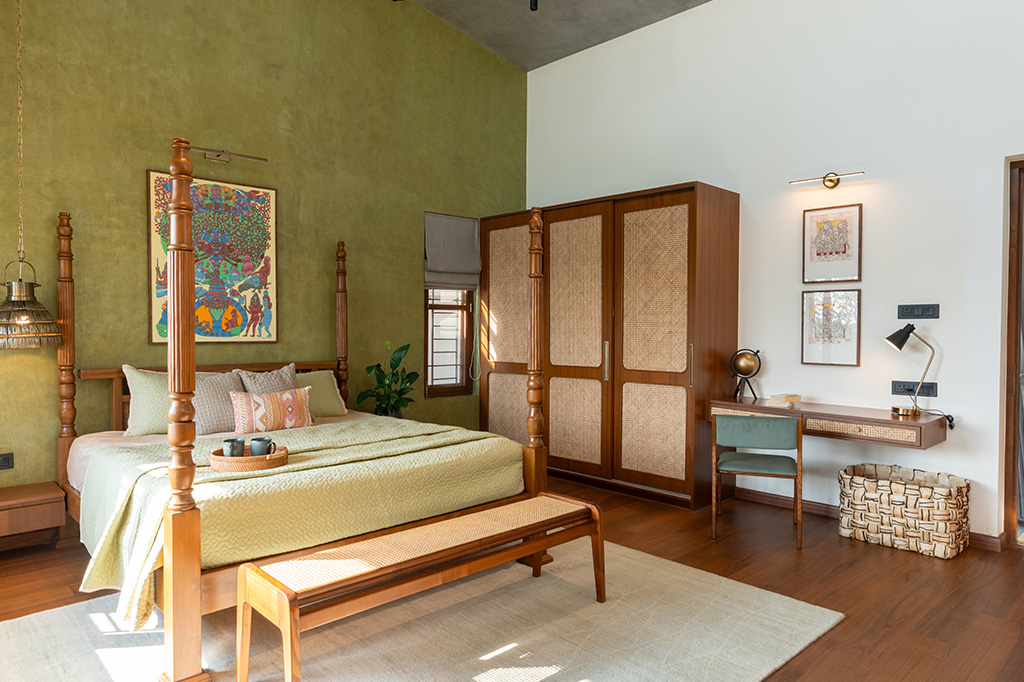
Storage planning further defines functional living. Many homes suffer from inadequate storage, forcing residents to introduce additional furniture that disrupts both aesthetics and space efficiency. Built-in wardrobes, utility areas, and well-planned storage solutions reduce clutter and allow homes to remain organized over time.
Kitchens provide one of the clearest examples of purposeful design. The placement of the sink, stove, and refrigerator determines workflow efficiency. Adequate ventilation, sufficient counter space, and practical electrical planning ensure that the kitchen supports daily activity rather than becoming a constraint.
Structural planning must also align with usability. Column placements and structural grids should not interfere with interior flexibility. When structural design is carefully coordinated with architectural layouts, residents gain the freedom to adapt spaces as their needs evolve.
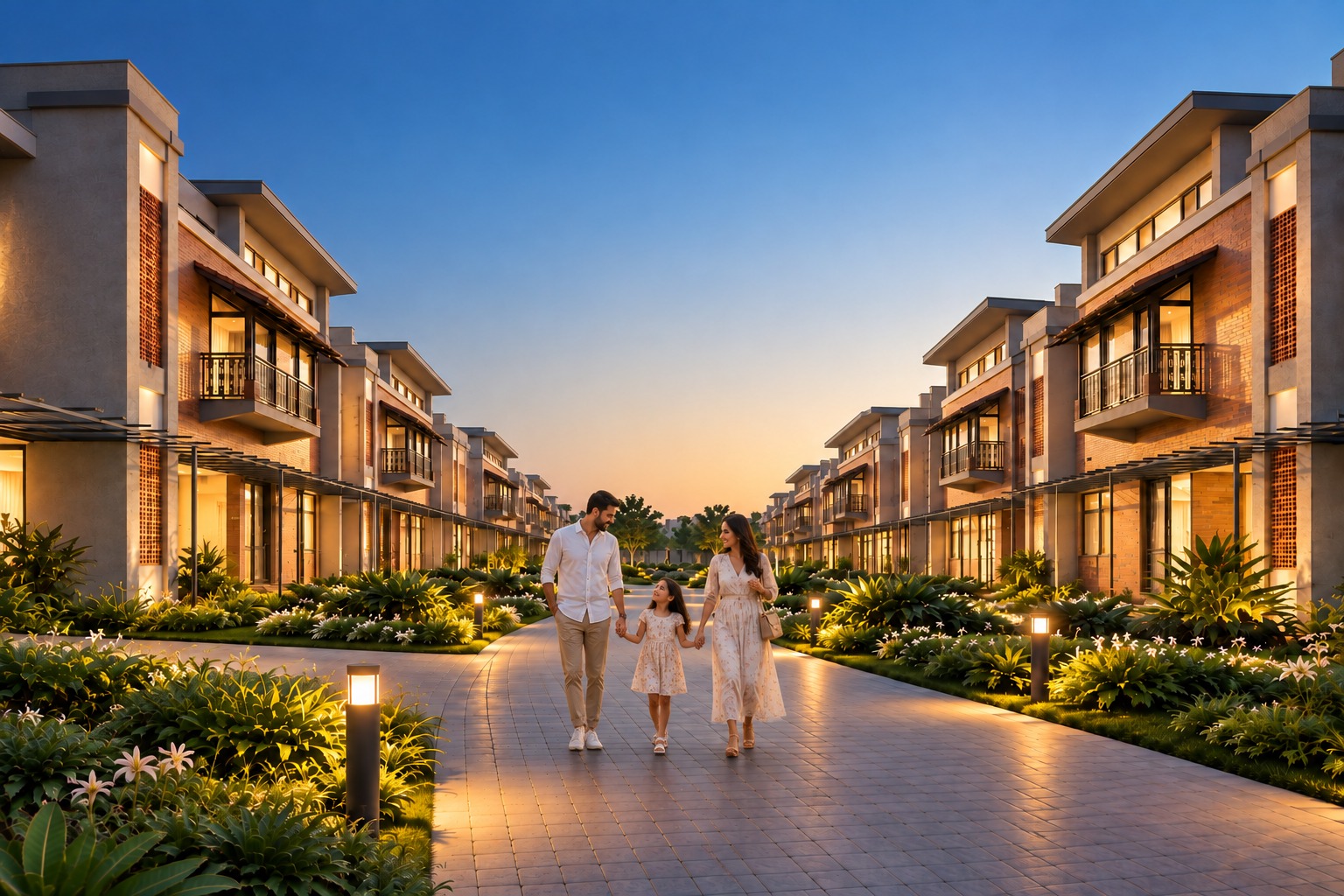
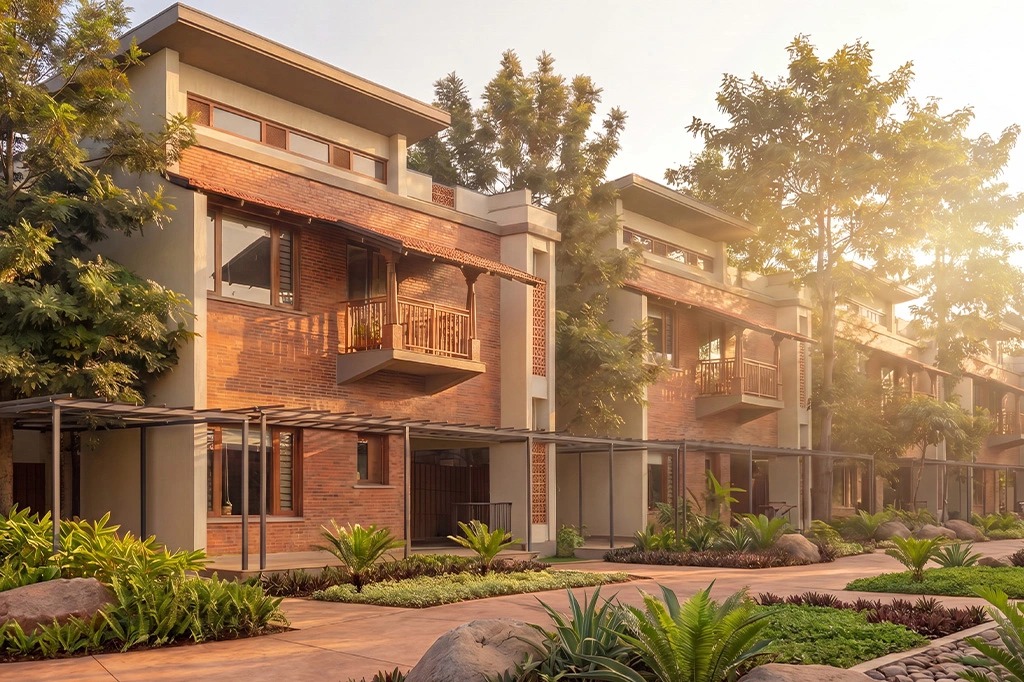
Purposeful design extends beyond individual homes. Outdoor spaces and common areas should be intentional, not leftover fragments of land. Walkways must encourage safe movement, community spaces should promote interaction, and entry points should be planned to minimize congestion. When open spaces are designed thoughtfully, they enhance both lifestyle and community life, an approach increasingly valued by real estate builders in Chennai who prioritize livability in modern developments.
Safety is another integral component of good design. Well-lit staircases, accessible corridors, clear emergency pathways, and practical parking circulation ensure that safety is seamlessly integrated into the built environment.
Long-term adaptability is the final measure of thoughtful design. Families evolve, lifestyles change, and homes must remain relevant across these transitions. Multi-functional spaces allow a study to become a home office or a guest room to adapt to senior living. When homes are designed with flexibility in mind, they remain valuable and practical for years to come.
From an investment perspective, purposeful design also protects asset value. Buyers and tenants naturally prefer homes that feel functional, comfortable, and efficient. Even in strong locations, poorly designed layouts can reduce appeal. Thoughtful planning, on the other hand, enhances long-term demand and market perception, one of the reasons many buyers today carefully evaluate the approach followed by real estate builders in Chennai when selecting a property.
At GTB, design begins with purpose rather than appearance. Layouts are developed around real usage patterns, ensuring that light, ventilation, privacy, and circulation work in harmony. Structural planning supports flexibility, while shared spaces are designed to encourage both comfort and community.
This disciplined approach ensures that every GTB development delivers more than visual appeal. It creates homes that remain practical, comfortable, and valuable over time. Because in real estate, the most successful designs are not those that simply look impressive. They are those that quietly improve everyday living.