
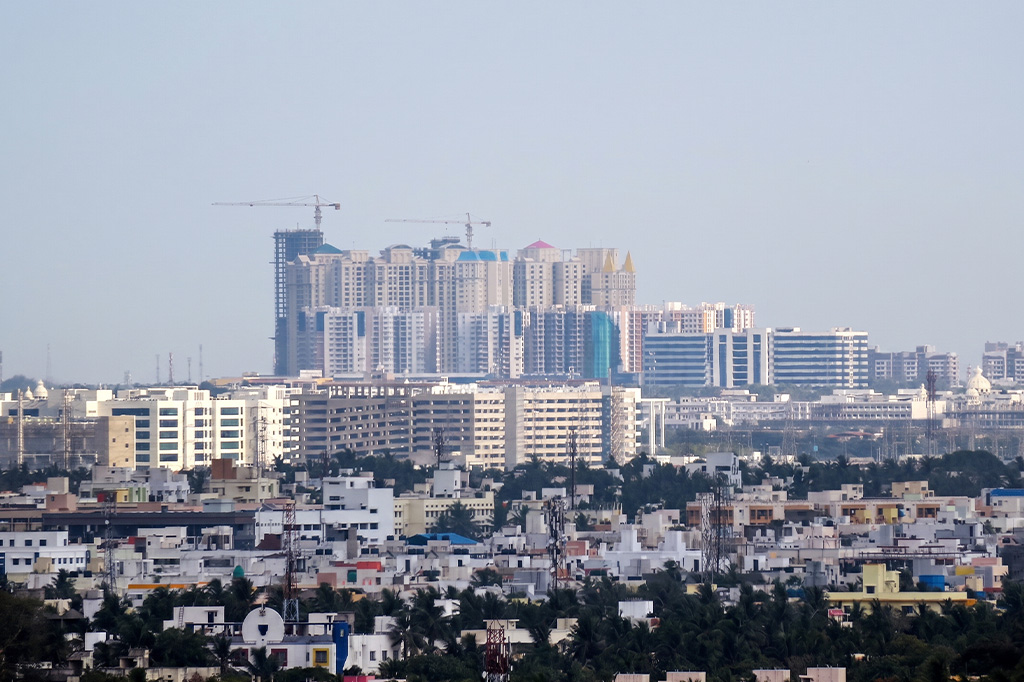
Cities evolve not only through expansion, but through intention. Chennai has entered a period of transition, one defined less by outward growth and more by a recalibration of priorities. As infrastructure investment, economic momentum, and lifestyle expectations converge, the city is redefining what urban development means in a contemporary context. This shift is increasingly evident across Chennai’s real estate landscape and the broader Chennai realty sector.
For decades, progress was measured by scale. Wider roads, taller buildings, and larger residential clusters were seen as markers of growth. While these remain relevant, they no longer tell the full story. Today, Chennai’s development narrative is shaped by balance between work and living, density and comfort, speed and sustainability. The city is moving beyond singular growth drivers toward a more integrated vision of urban life.
Infrastructure-led planning has emerged as a defining force in this transition. Connectivity is no longer a supporting feature; it has become the framework around which development takes shape. Transport corridors, improved arterial roads, and evolving mobility networks are reshaping neighbourhoods. Areas once perceived as distant are now re-evaluated through accessibility, influencing residential preferences and long-term investment patterns.
Economic diversification has further strengthened this shift. Chennai’s industrial base continues to anchor growth, but its influence now extends well beyond employment. Commercial activity is shaping housing demand, social infrastructure, and community planning. Development is no longer segregated by function; it is layered, interconnected, and increasingly responsive to how people live, work, and move through the city.
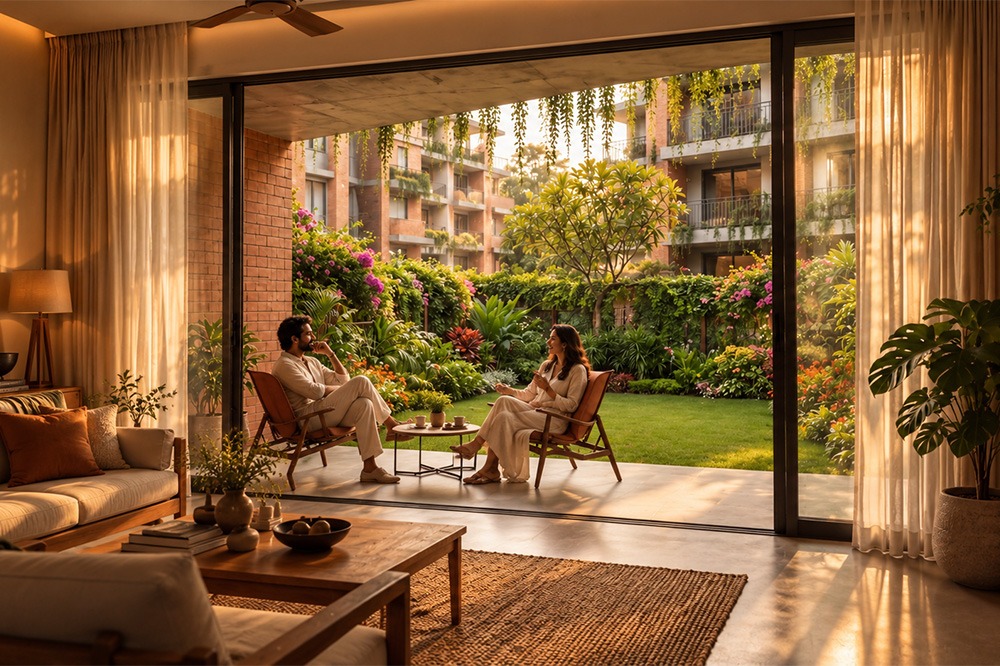
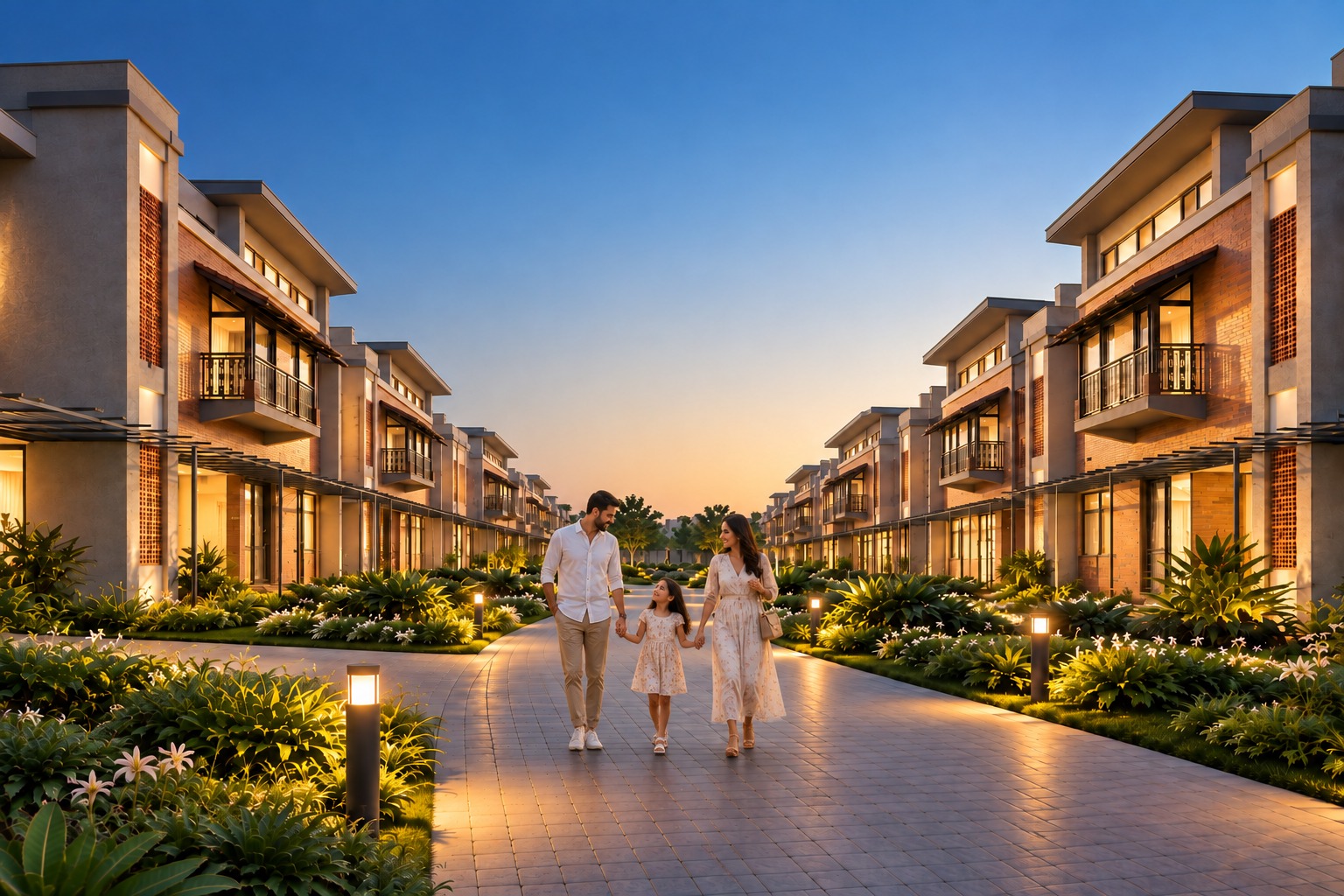
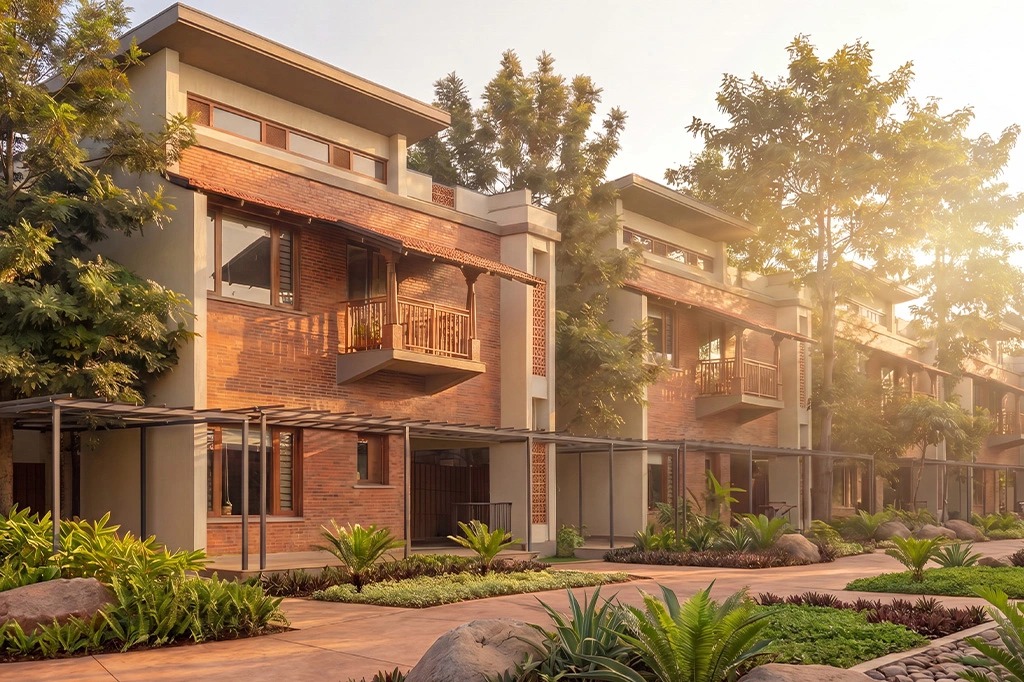
This evolution has prompted a reassessment of residential development itself. Homes are no longer conceived as isolated units within gated boundaries, but as part of a broader urban ecosystem. Proximity to everyday conveniences, access to green spaces, and thoughtfully planned shared amenities are now central to residential value. The emphasis is steadily moving from quantity to quality, from maximizing built-up area to enhancing liveability.
Well-being has become a critical consideration in this new urban equation. As density increases, the role of light, ventilation, open space, and spatial clarity becomes more pronounced. Developments that respond to these fundamentals are better positioned to remain relevant over time. In this context, thoughtful planning is not a luxury; it is a form of future-proofing, ensuring that growth does not compromise comfort or environmental balance.
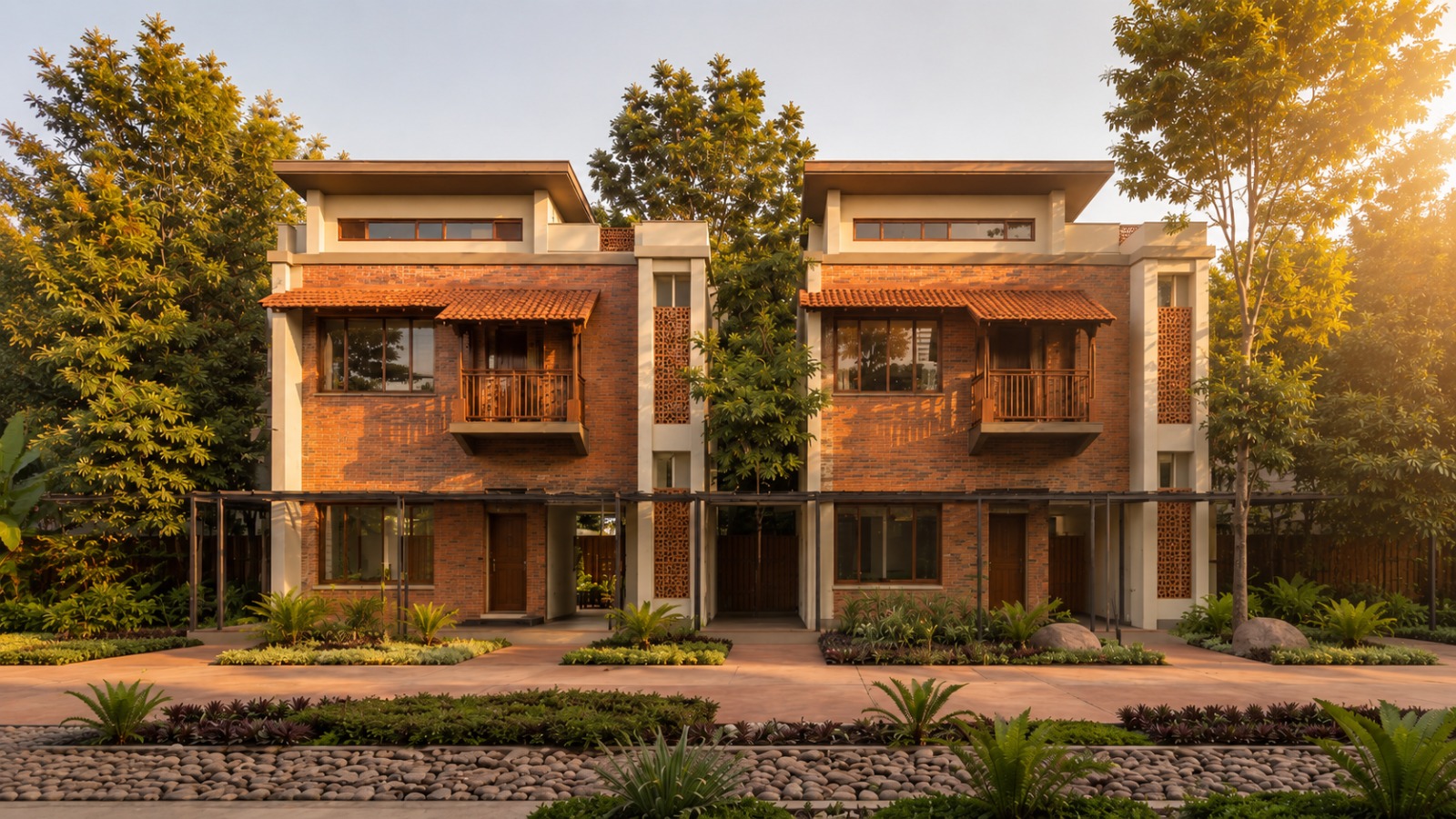
Another defining aspect of Chennai’s transition is a shift toward long-term thinking. Short-term gains are giving way to considerations of durability and adaptability. Materials, layouts, and infrastructure are being evaluated not only for immediate impact, but for how they will perform over decades. This reflects a deeper understanding of cities as lived environments, shaped gradually by daily use rather than momentary appeal.
Importantly, this transition does not signal a slowing of progress. Chennai continues to grow, but with greater clarity and cohesion. The relationship between residential spaces, commercial zones, and public infrastructure is being re-examined to create environments that function intuitively. Development, in this sense, moves beyond construction to focus on experience.
As priorities evolve, so do expectations. Homebuyers and investors are increasingly attentive to how developments integrate with the larger urban fabric. Connectivity, context, and design intent now influence decisions as strongly as location and scale once did. This signals a maturing market, one that values foresight, integration, and long-term relevance across Chennai’s real estate landscape and the evolving Chennai realty market.
Chennai’s transition reflects a broader urban movement, yet its character remains distinct. Rooted in resilience and adaptability, the city’s trajectory points toward a future where growth is measured not only by expansion but by coherence. As infrastructure strengthens and planning becomes more nuanced, Chennai is positioning itself as a city that evolves with purpose.
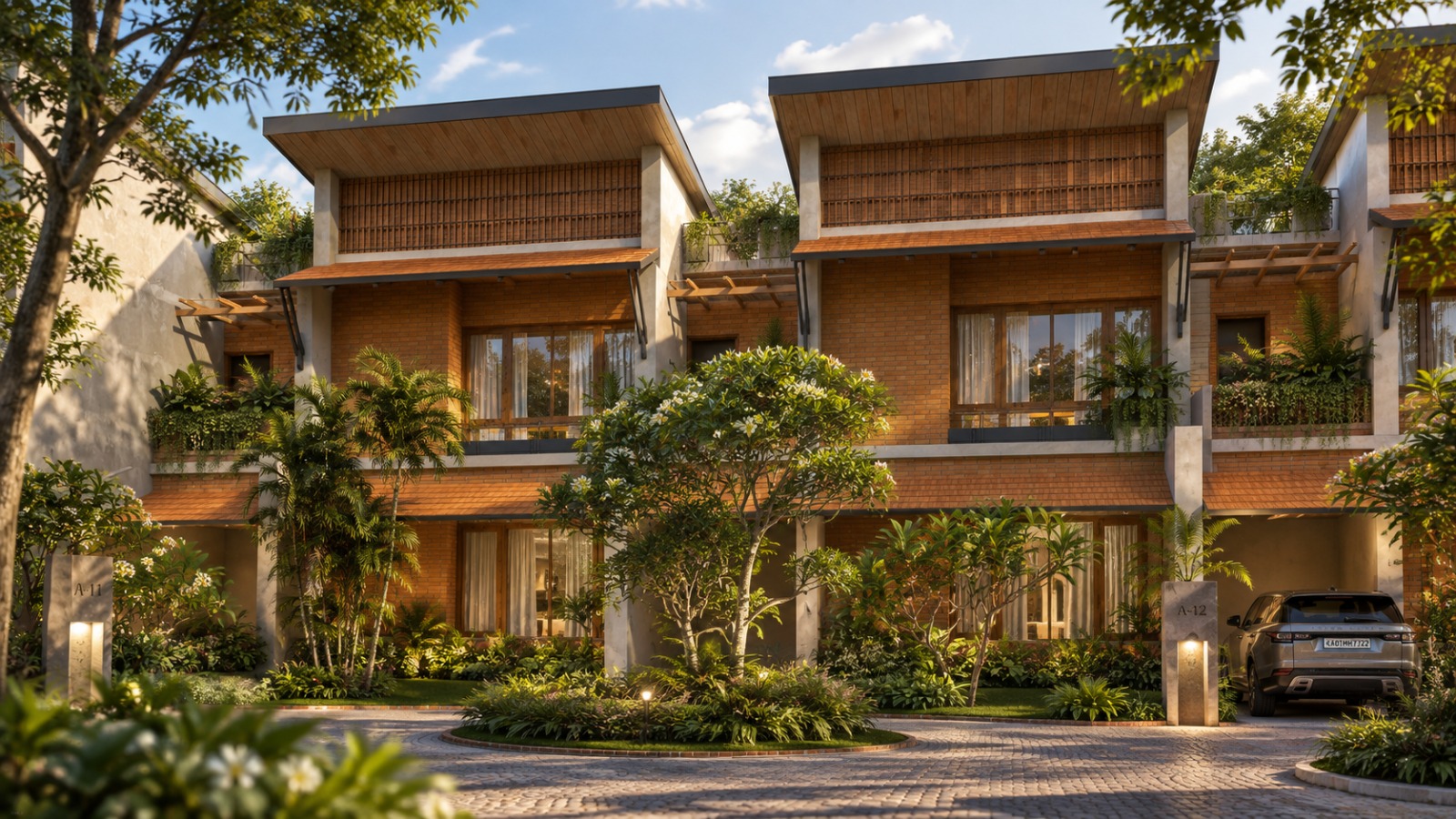
At GT Bharathi, this changing landscape informs every development decision. Urban growth is approached with the understanding that it must serve both present needs and future realities. By aligning architecture with infrastructure, lifestyle, and long-term vision, GT Bharathi contributes to residential environments that are thoughtful, enduring, and seamlessly integrated into the city’s evolving fabric. In a city in transition, this clarity of intent defines meaningful development.