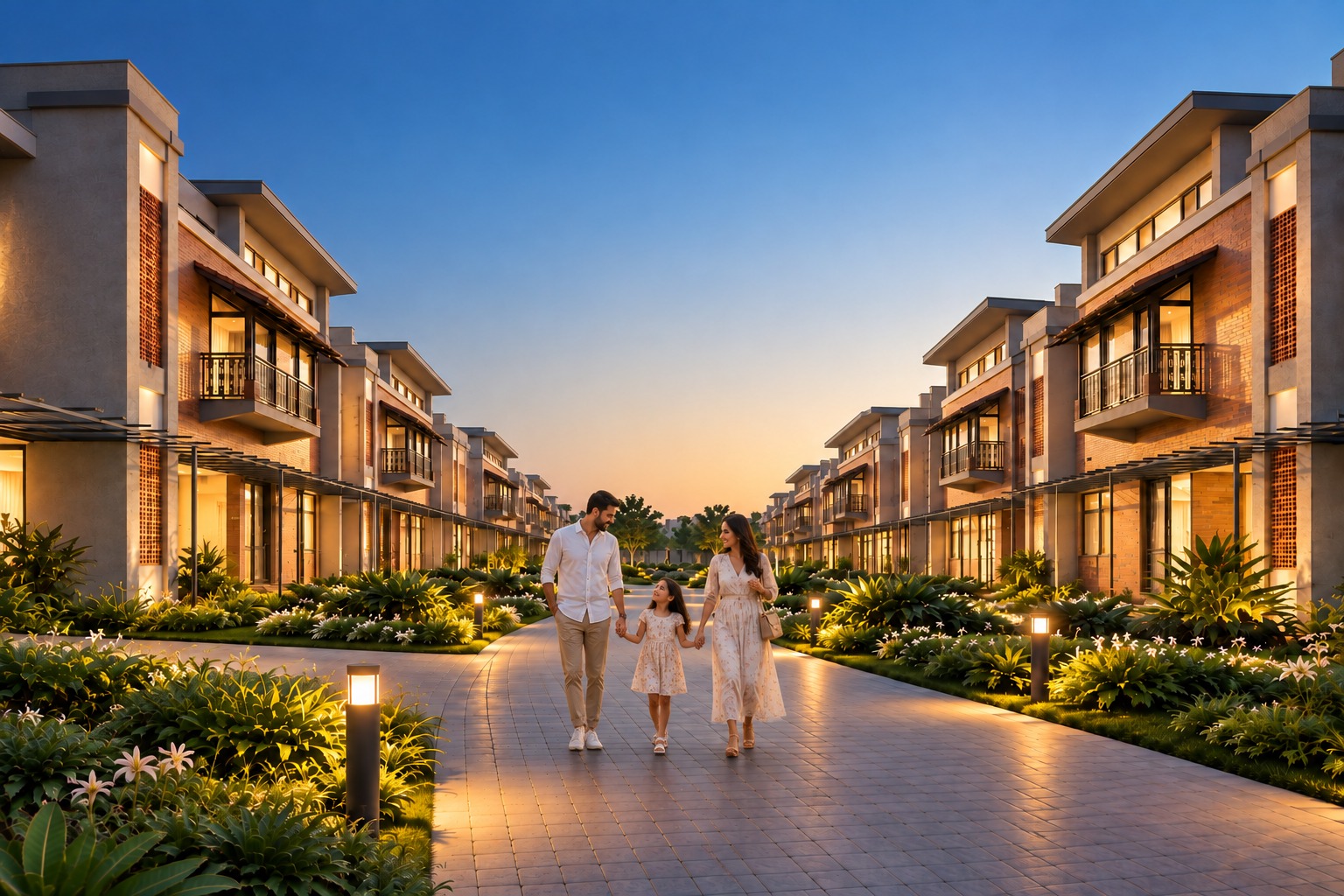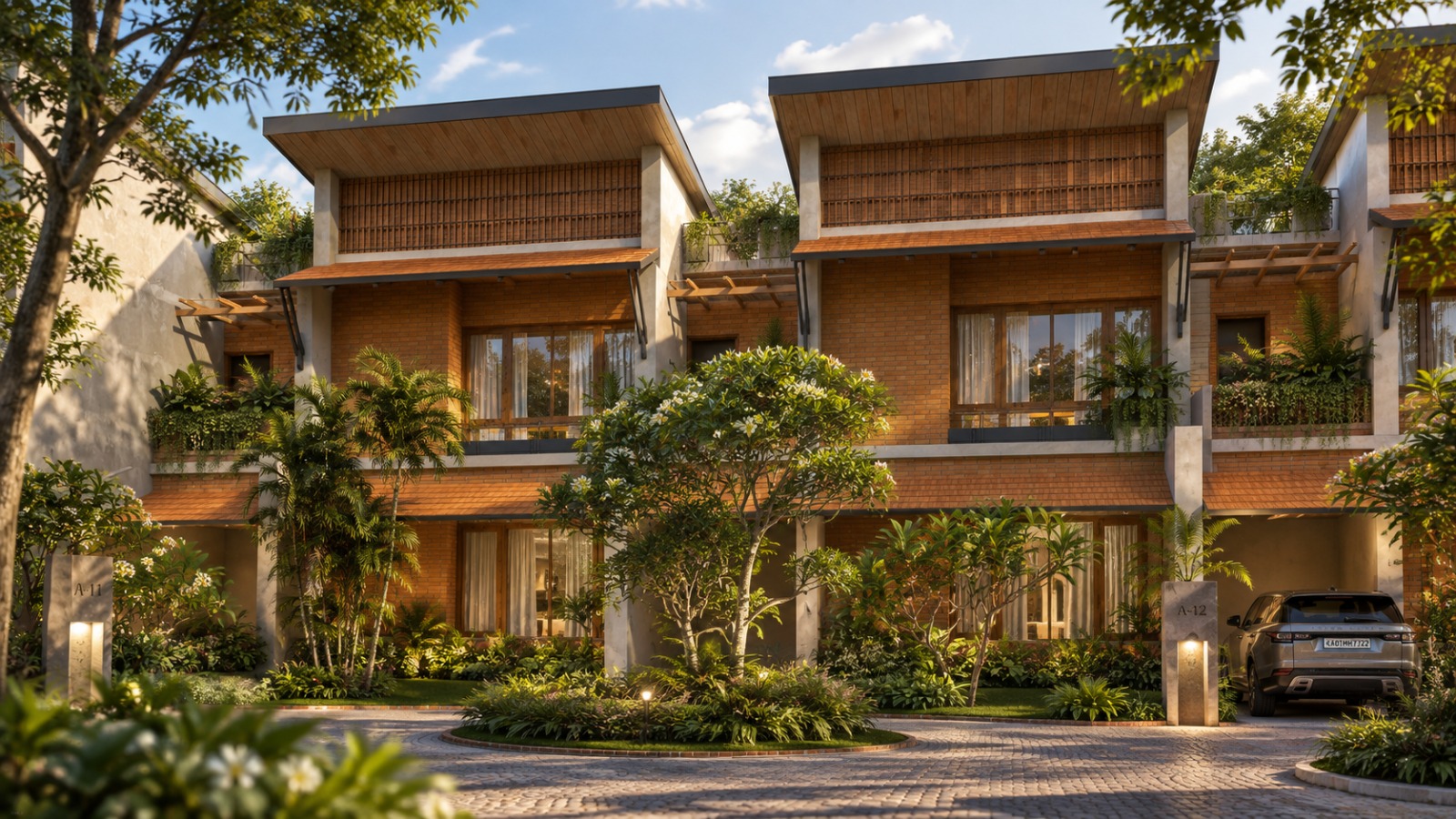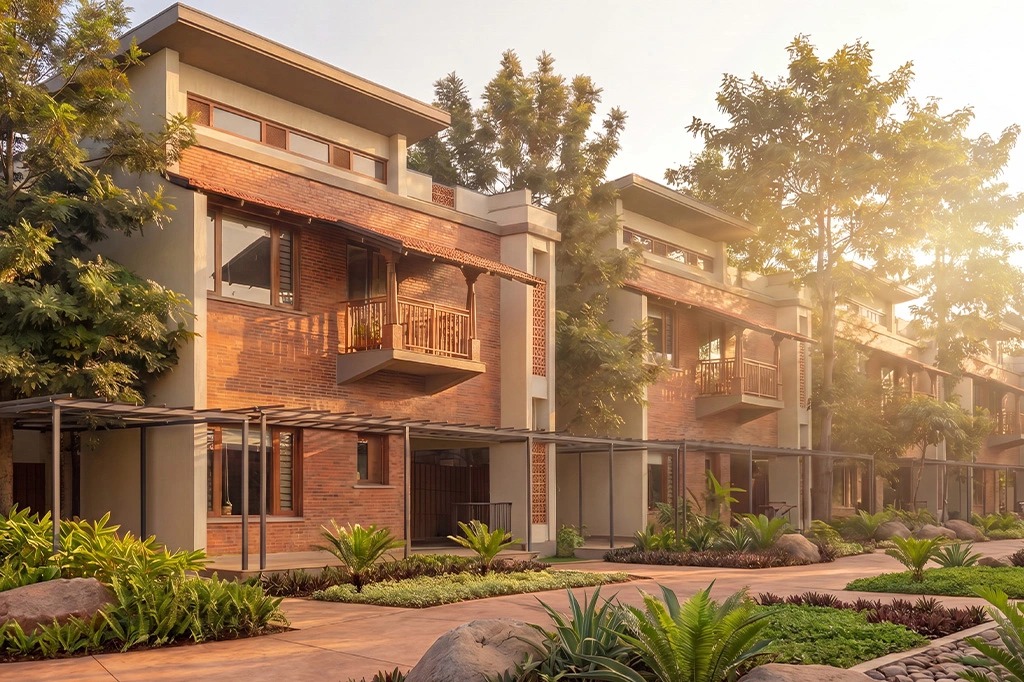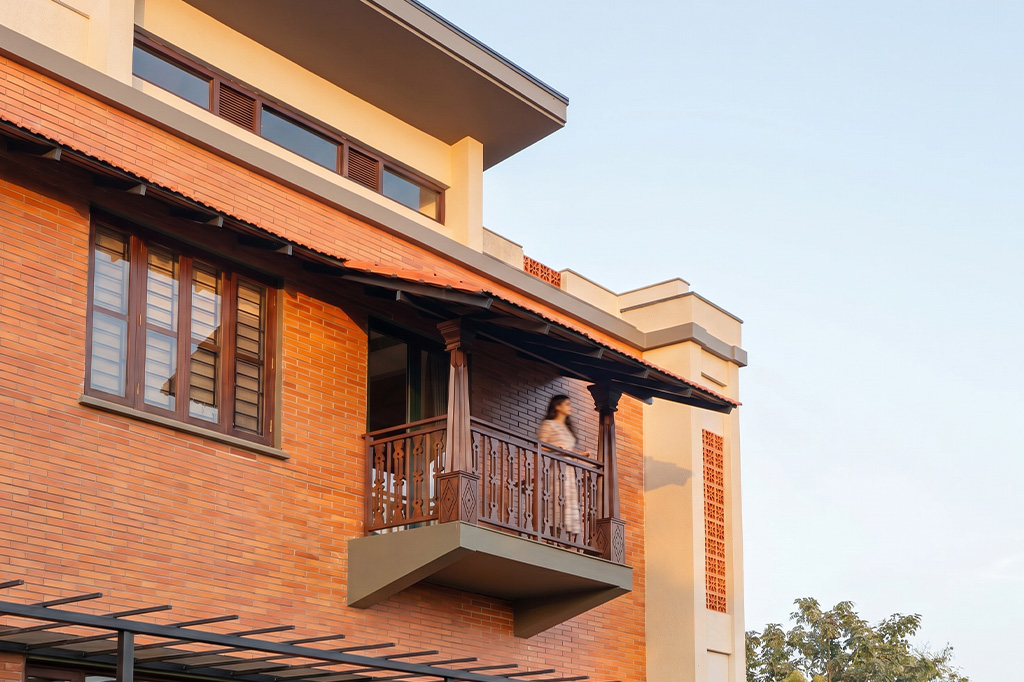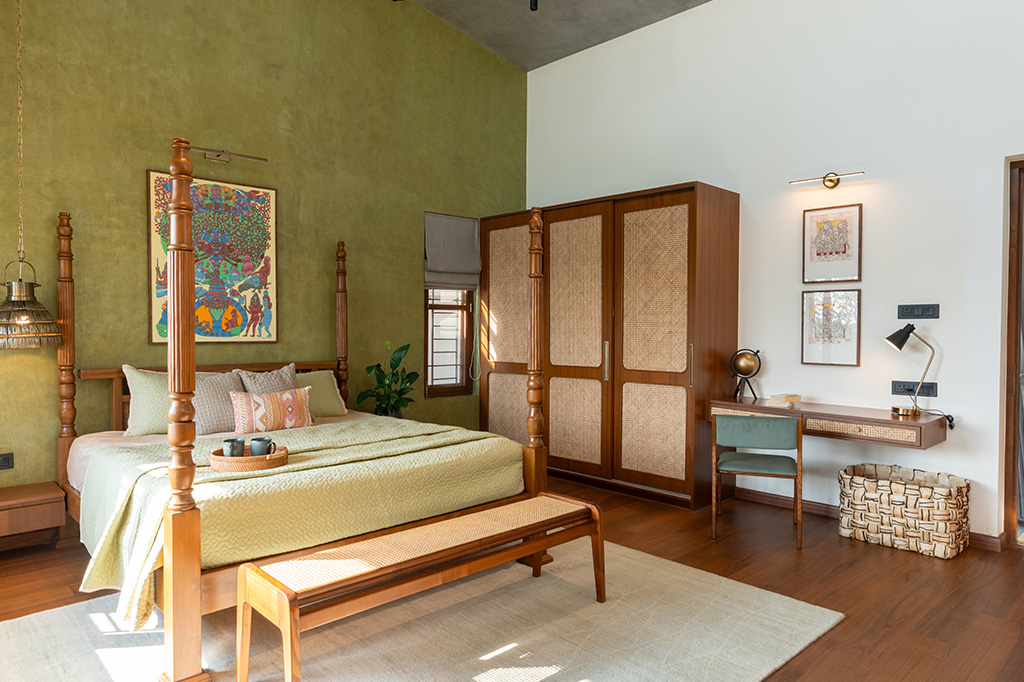

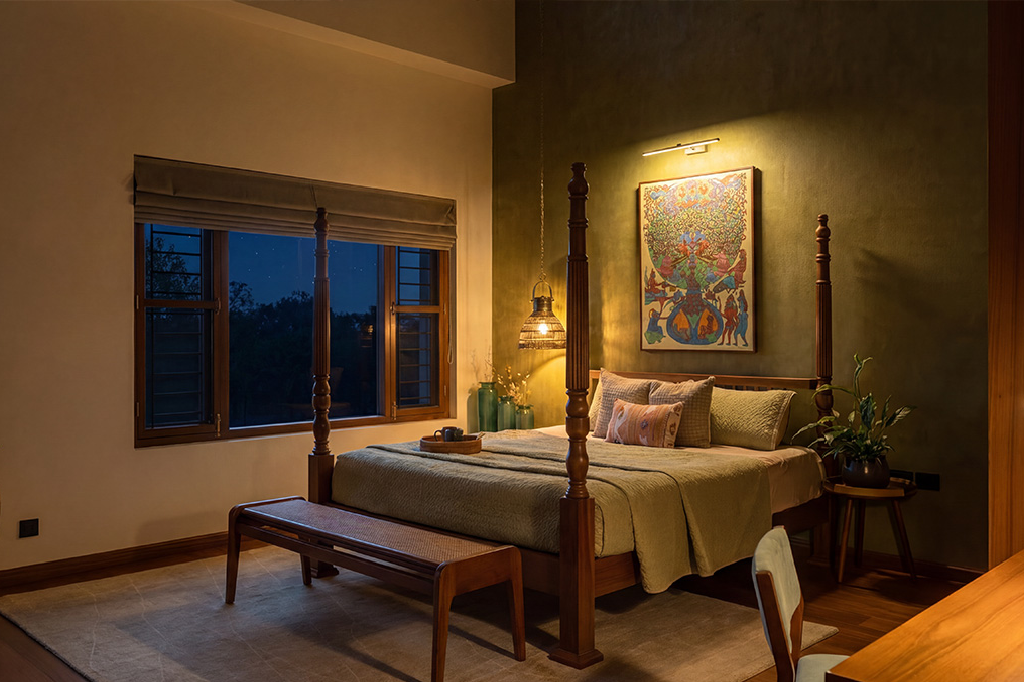
In an age where design trends move faster than ever, homes are often shaped by what is visually current rather than what is emotionally enduring. Styles emerge, peak, and fade in quick succession, each promising relevance and novelty. Yet beyond surface appeal lies a more enduring truth: the most successful homes are not defined by fashion, but by how attentively they respond to the people who live within them. Spaces that listen, rather than declare, form the foundation of meaningful, long-lasting design, an approach increasingly valued by discerning homeowners and leading real estate promoters in Chennai.
A home designed around human needs begins with understanding how life is truly lived. Not through grand gestures or visual statements, but through the quiet moments that shape everyday experience. Morning light entering a bedroom, the ease of movement between spaces, and the calm that settles in as the day ends. These seemingly ordinary details define the quality of living. When design responds to them with care, a home feels intuitive. It does not demand explanation. It simply feels right.
In contrast, many contemporary homes are shaped by trends. They prioritize visual impact and immediate appeal, designed to be noticed, photographed, and admired. Homes that are thoughtfully designed around people, however, prioritize experience over appearance. Their success is measured not in instant admiration, but in long-term comfort. Balanced proportions, clear layouts, and seamless transitions between spaces create a sense of quiet coherence. These qualities may not draw attention to themselves, but they are deeply felt, fostering a sense of belonging that grows stronger with time.
Flexibility is central to homes that respond to human needs. Life is not static, and spaces that are overly prescriptive struggle to remain relevant. Rooms designed only for a fixed purpose or aesthetic quickly lose meaning as routines change. Thoughtfully planned homes allow for interpretation. A space can adapt effortlessly to work, rest, reflection, or connection. This ability to evolve reduces friction between space and life, supporting well-being in a natural, unforced way.
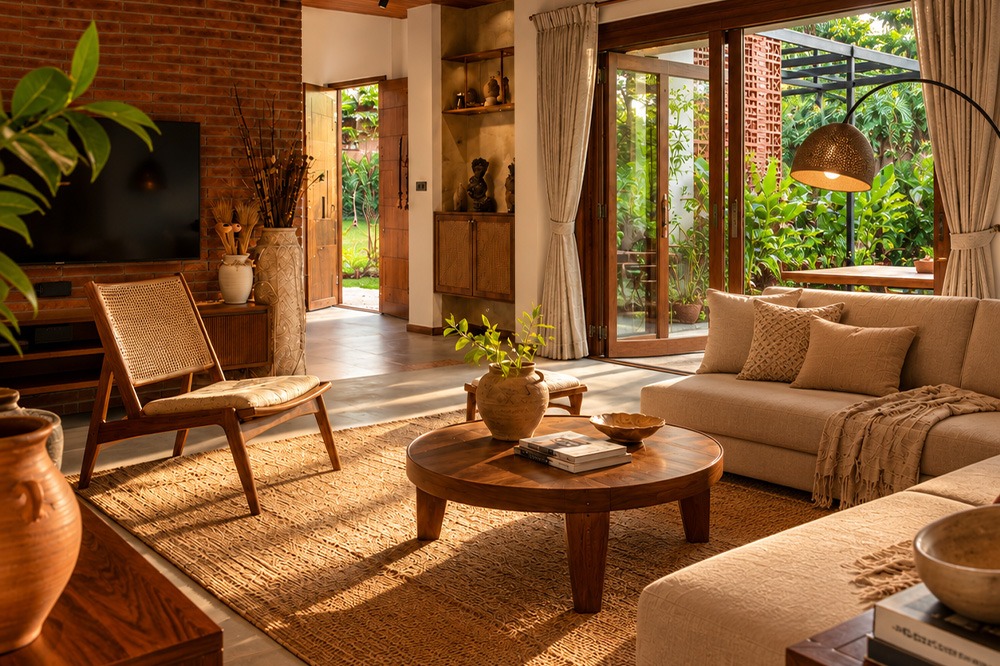
Material choices further distinguish homes designed to endure. Trend-driven materials often prioritize novelty, requiring constant maintenance or replacement. In contrast, homes grounded in human experience favour materials that offer warmth, texture, and longevity. Natural finishes, muted palettes, and honest surfaces create environments that feel reassuring and grounded. These materials age with dignity, gaining character over time rather than losing relevance. Their presence reinforces a sense of permanence, offering comfort in an ever-changing world.
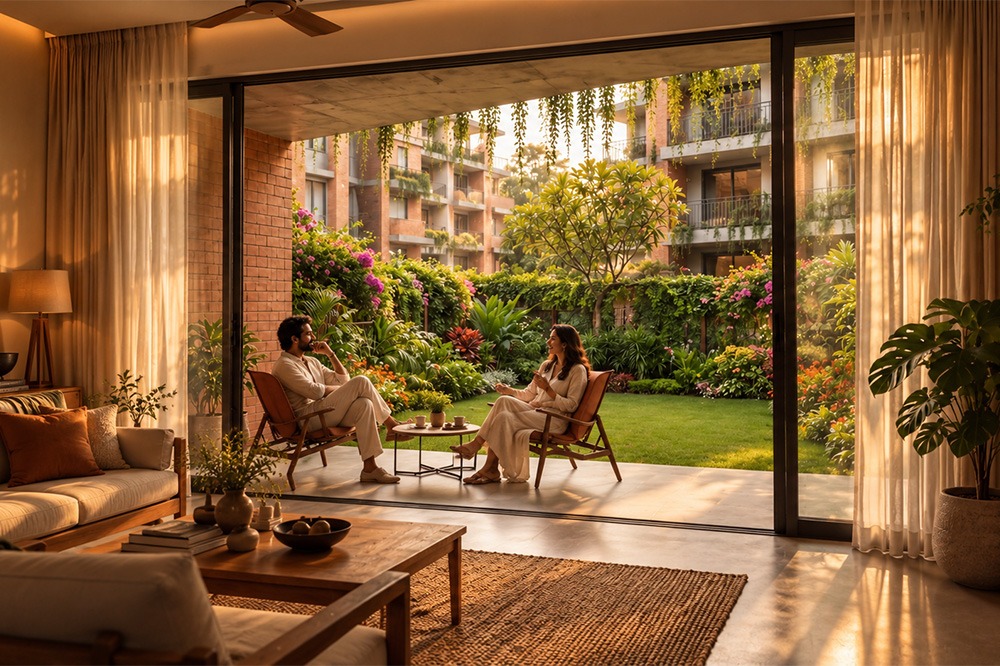
Light and air are treated with equal care. Rather than being considered technical requirements, they are approached as essential elements of well-being. Natural light is shaped deliberately, brightening mornings, balancing afternoons, and softening evenings. Artificial lighting complements this rhythm, layered and adaptable, enhancing mood without overwhelming the senses. Ventilation is seamless and unobtrusive, ensuring comfort while preserving tranquillity. Together, these elements create homes that feel composed, responsive, and alive.
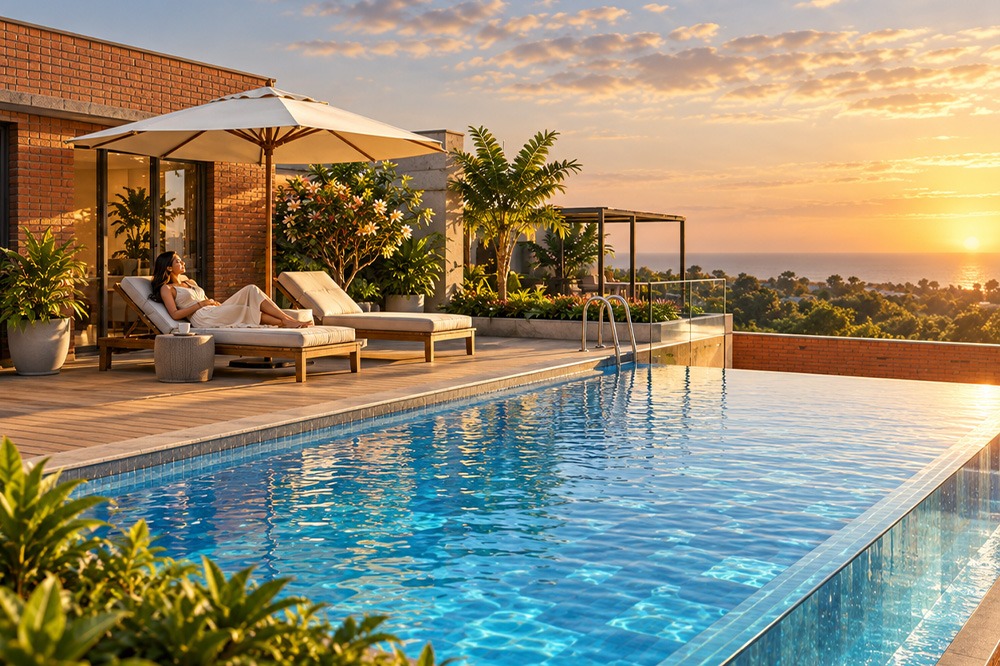
One of the most enduring qualities of a well-designed home is emotional ease. Such spaces do not demand attention or performance. They do not require life to be curated around design. Instead, they support presence. Silence feels intentional, not empty. Space feels generous, not excessive. There is room to pause, reflect, and simply be. In these environments, well-being is not introduced as a feature; it emerges naturally from thoughtful design decisions.
Homes shaped around fundamental human needs possess a rare timelessness. While trends anchor design to a specific moment, thoughtfully designed spaces remain relevant across years and generations. Rooted in comfort, clarity, balance, and adaptability, they hold memories without losing coherence. Their value lies not in novelty, but in their ability to support life as it evolves.
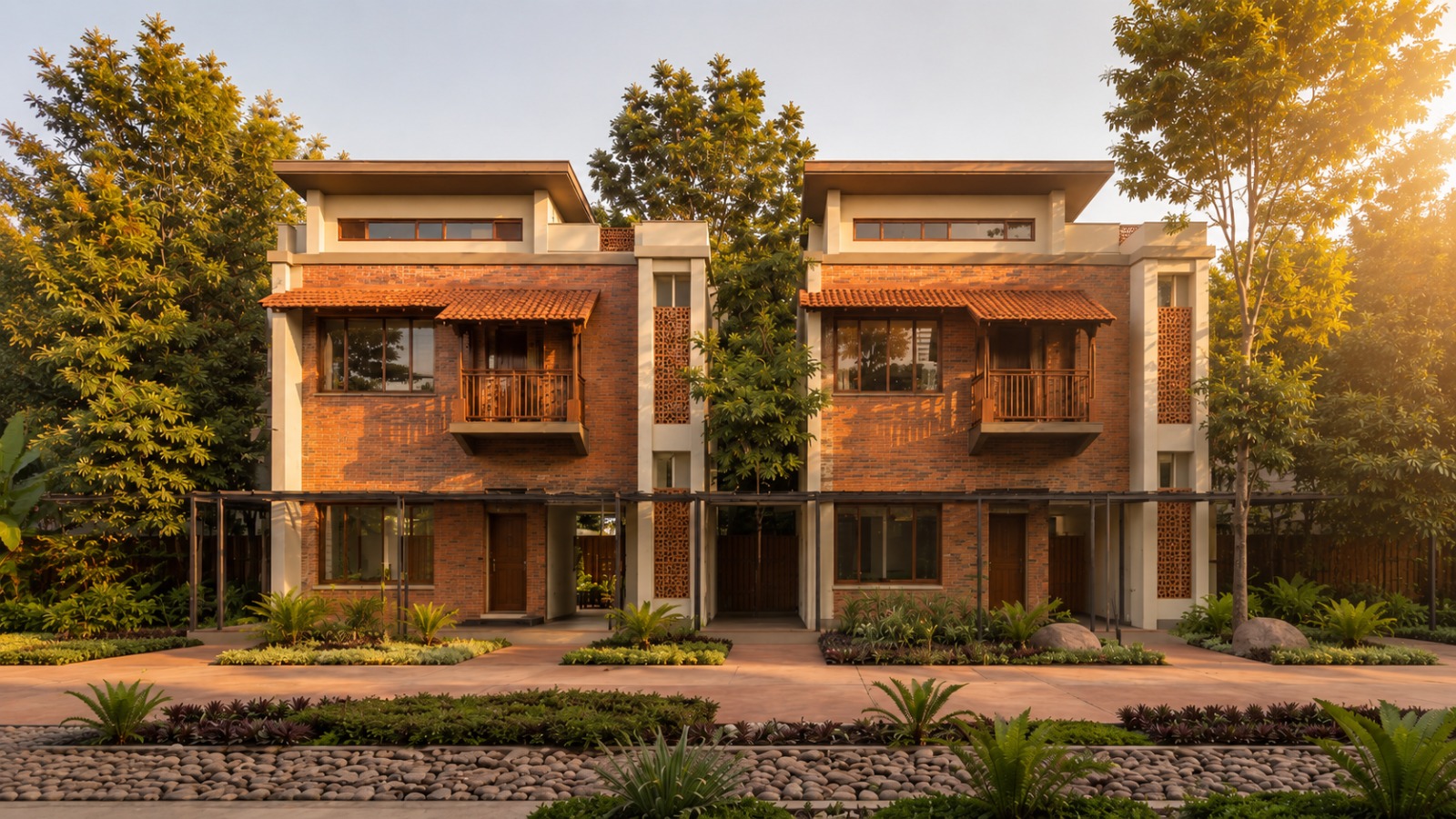
This approach also safeguards long-term value. Homes that prioritize proportion, material integrity, and spatial clarity age gracefully. They invite personal expression without compromise and remain desirable even as external preferences change. For homeowners, this creates a lasting emotional connection. For developers and real estate promoters in Chennai, it reflects foresight, discipline, and confidence in design integrity.
At GTB, this philosophy guides every development. Design is approached not as an exercise in following trends, but as a process of understanding people, routines, and long-term aspirations. Through careful attention to proportion, light, material honesty, and spatial flow, GTB creates homes that feel composed, enduring, and deeply considered. Spaces designed not to impress momentarily, but to support living quietly, thoughtfully, and for years to come.