Community living is never accidental. It is shaped long before the first resident arrives, through a series of considered decisions that define how people move, interact, and belong. While it is the residents who bring warmth and life to a place, developers play a critical role in creating the framework that allows communities to form and thrive—an understanding increasingly recognised among responsible real estate developers in Chennai.
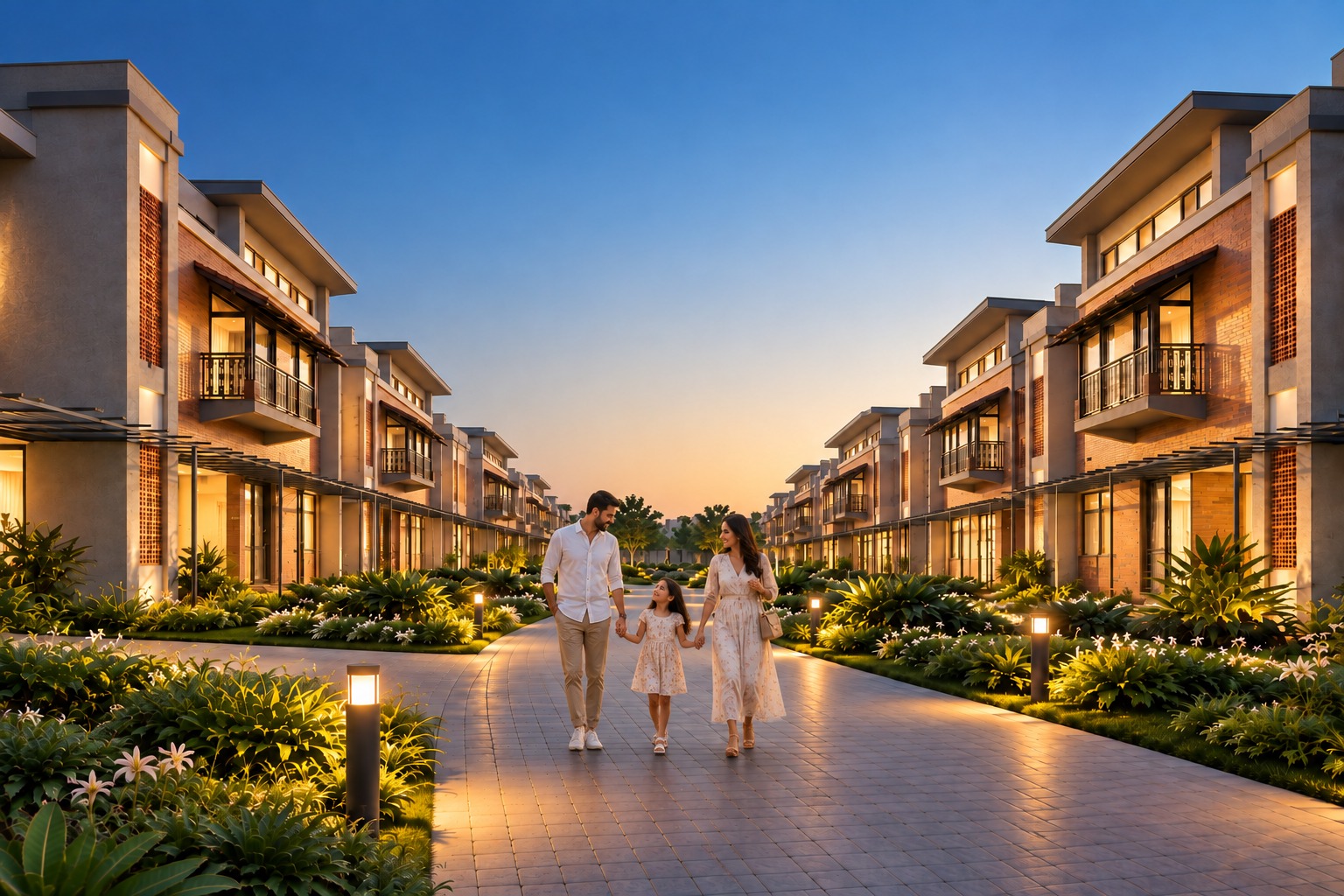
Planning is the first and most influential step. How land is organised, how buildings are positioned, and how spaces connect to one another has a lasting impact on everyday experience. Thoughtful planning looks beyond efficiency to consider comfort, movement, and human behaviour. Roads are designed not only for vehicles, but to support walkability and ease. When layouts are intuitive and balanced, daily life feels more fluid and less demanding.
Density requires equal care. Successful communities strike a balance between vitality and openness. Excessive density can feel overwhelming, while overly sparse developments may lack energy. Responsible developers understand this equilibrium, creating environments that feel active yet composed. Open spaces, appropriate building heights, and well-planned setbacks ensure residents feel at ease rather than confined.
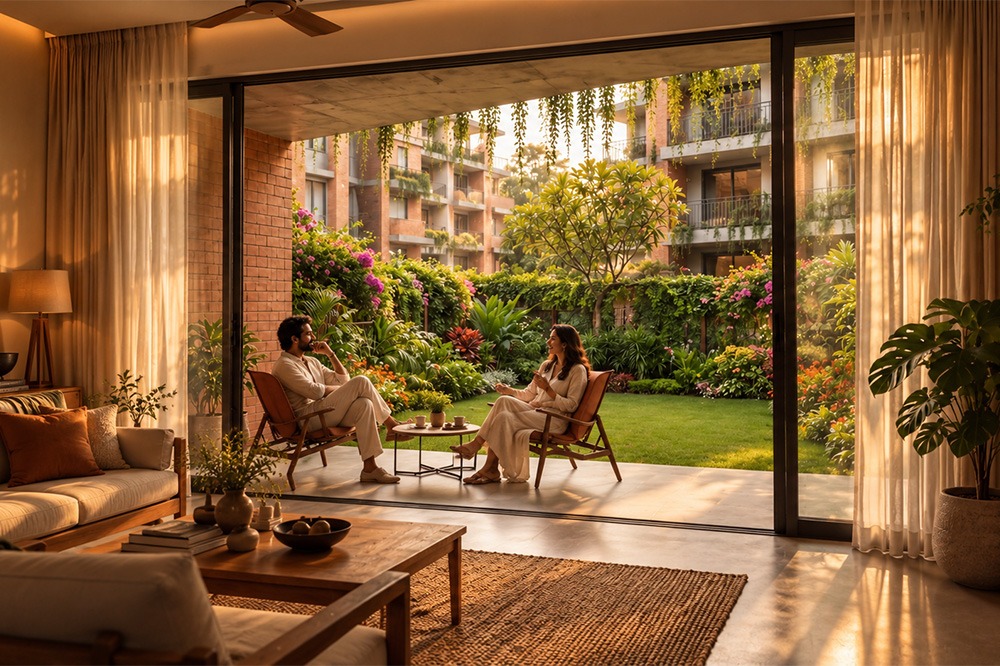
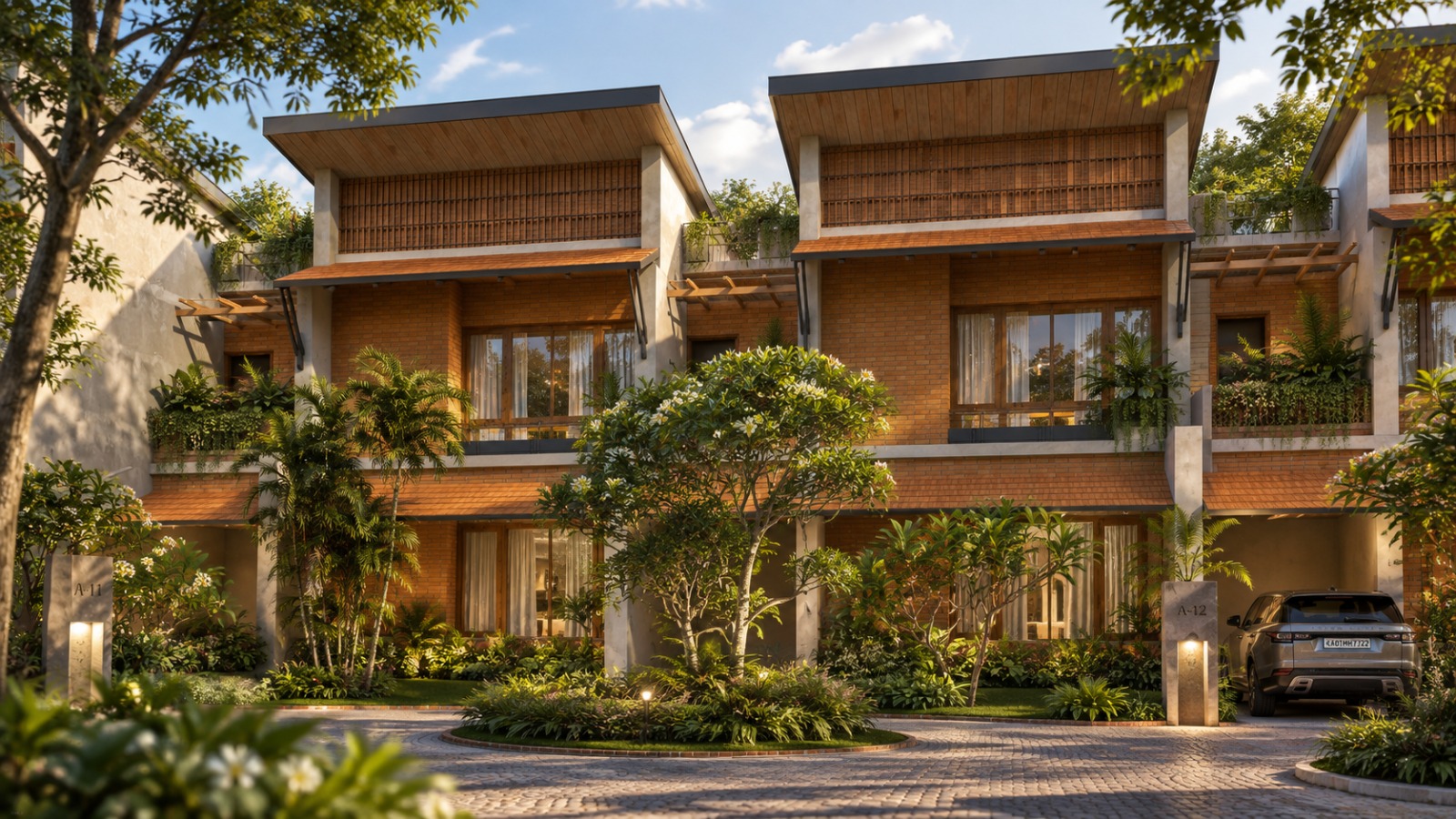
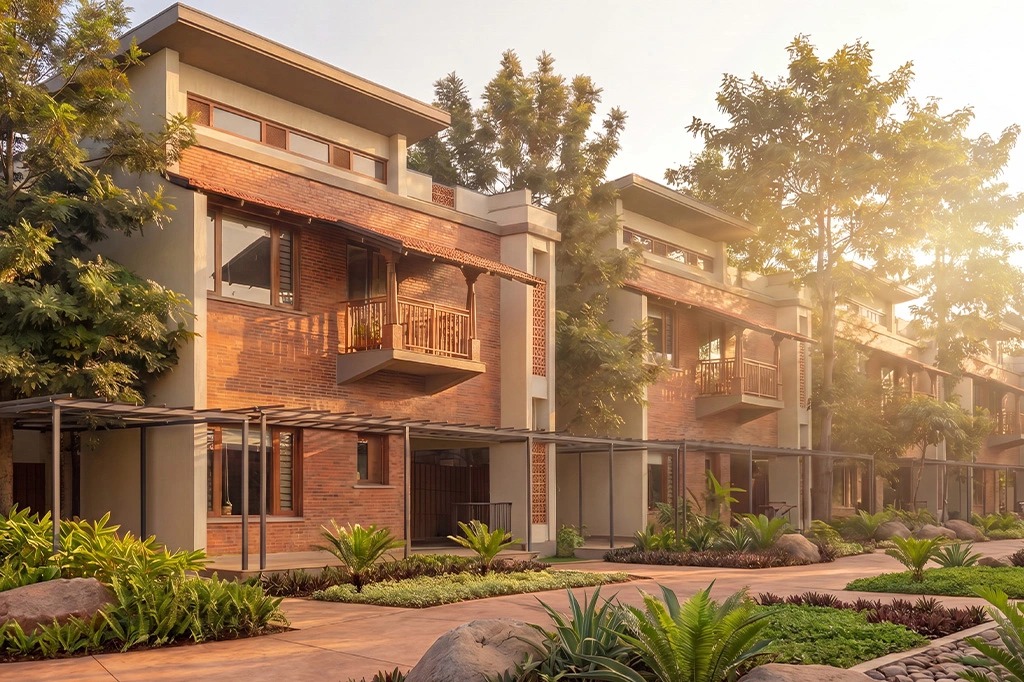
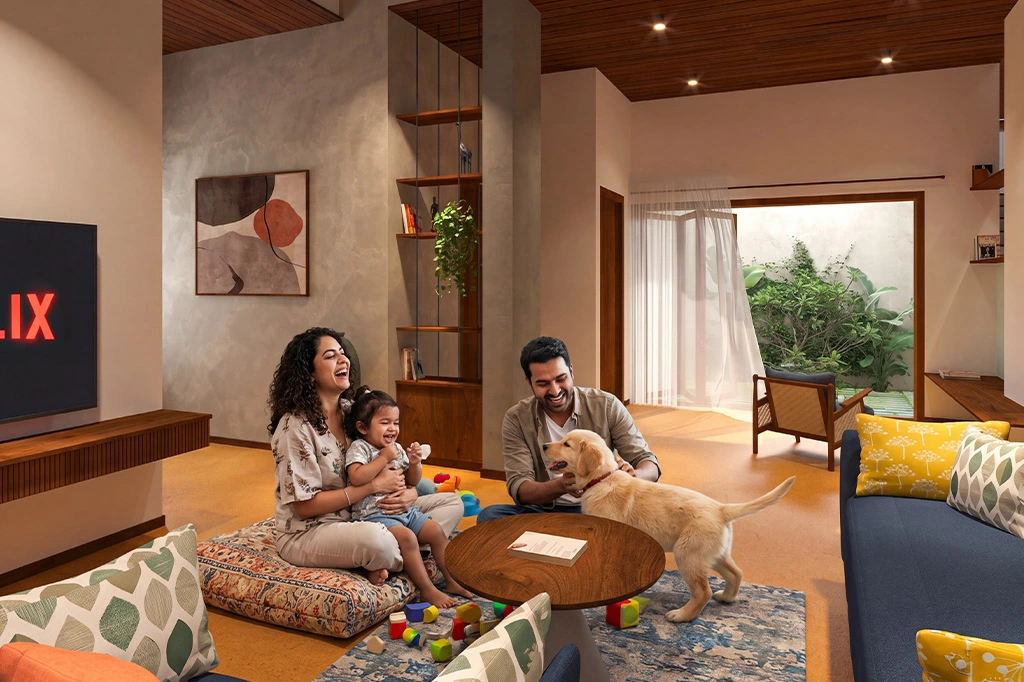
Shared spaces are central to community life. They need not be grand or ornamental. Courtyards, gardens, pathways, and seating areas, when thoughtfully placed, encourage natural interaction. When these spaces form part of everyday movement rather than stand apart as features, they become integral to daily routines. Over time, they nurture familiarity, trust, and a sense of belonging.
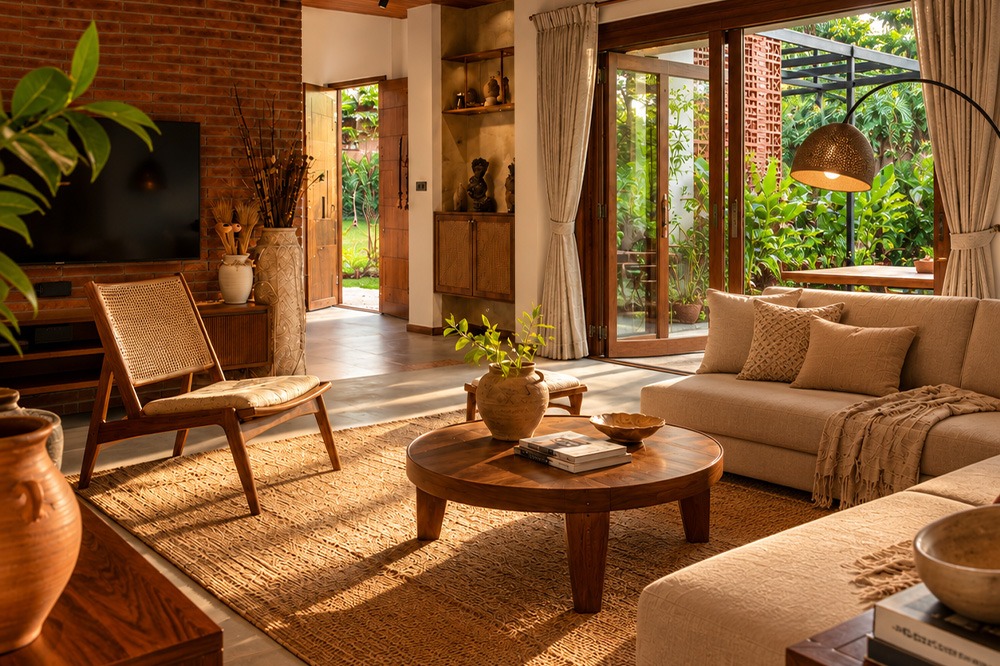
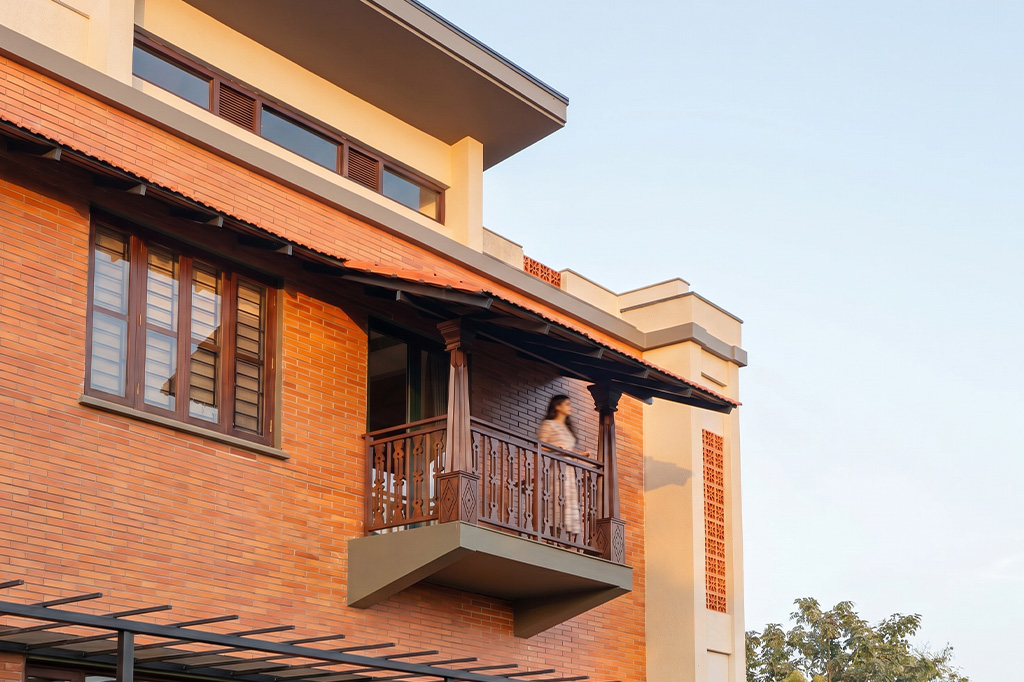
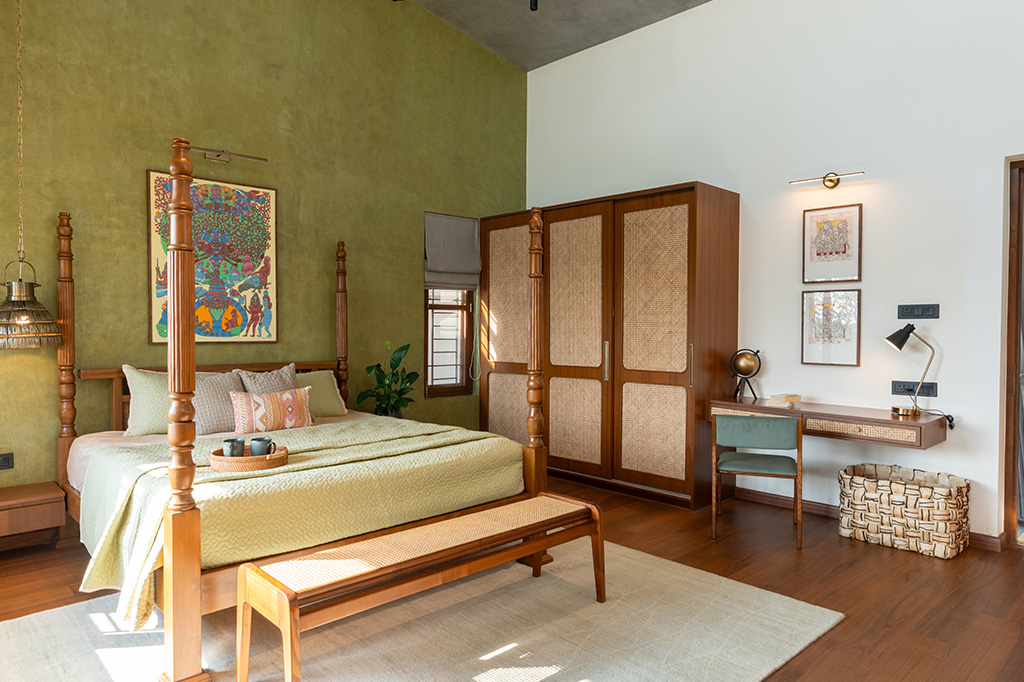
Design choices also influence how people relate to their surroundings. Architecture that prioritises human scale, natural light, and ventilation creates homes that are comfortable and uplifting. When private spaces function well, residents are more inclined to engage with shared environments. This balance between personal comfort and collective experience is fundamental to healthy community living.
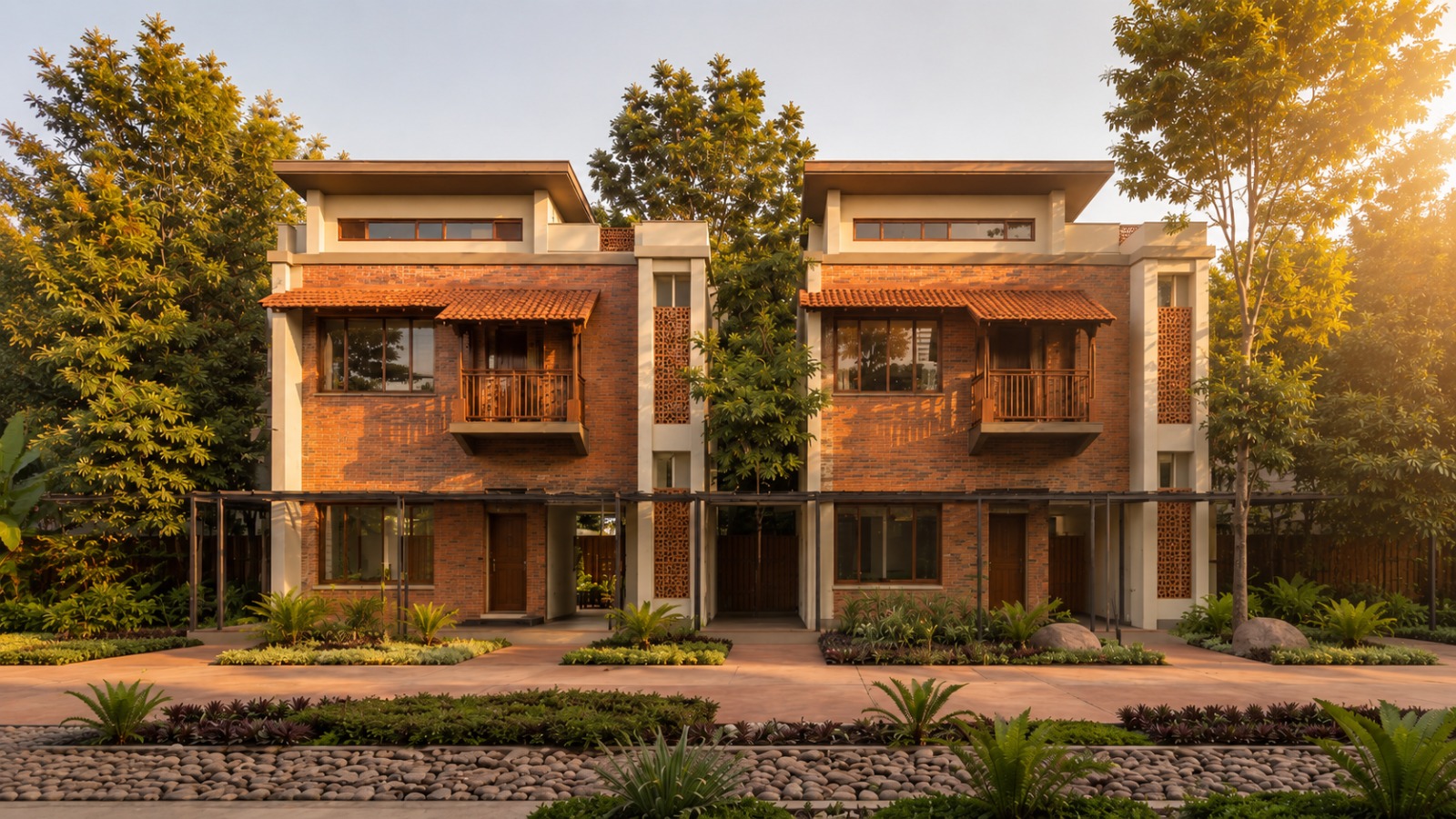
Equally important is how a development responds to its context. New projects do not exist in isolation. When developers respect the cultural, architectural, and environmental character of their surroundings, they strengthen the wider neighbourhood. Developments that integrate sensitively contribute to continuity, allowing areas to evolve without losing their identity.
Quality and durability shape behaviour over time. Well-constructed homes and common areas inspire confidence and pride. When residents trust the integrity of their environment, they are more likely to care for it and for one another. This shared sense of responsibility supports stronger relationships and more resilient communities.
Sustainability has become an essential aspect of community-focused development. Developers influence how resources are used, how energy-efficient homes are, and how green spaces are incorporated. These decisions have a direct impact on both environmental responsibility and quality of life. Thoughtful integration of greenery, ventilation, and efficient infrastructure creates healthier and more comfortable living environments—an approach increasingly adopted by forward-thinking real estate developers in Chennai.
In the long term, developers also determine how communities age. Developments designed with foresight and flexibility are better equipped to adapt to changing lifestyles. As needs evolve, well-planned spaces continue to support residents, ensuring relevance and vitality over decades.
Ultimately, the role of a developer extends beyond construction. It requires an understanding of people, a respect for context, and a commitment to long-term value. When approached with care and responsibility, development creates the conditions for communities to grow organically and endure.
This philosophy underpins GTB’s approach to development. Through thoughtful planning, contextual design, and an uncompromising focus on quality, GTB seeks to create environments that support meaningful community living. By prioritising people and longevity over short-term gains, GTB contributes to developments where communities are not merely accommodated, but thoughtfully shaped to connect, grow, and thrive over time.

L
O
A
D
I
N
G
L
E
G
A
C
Y