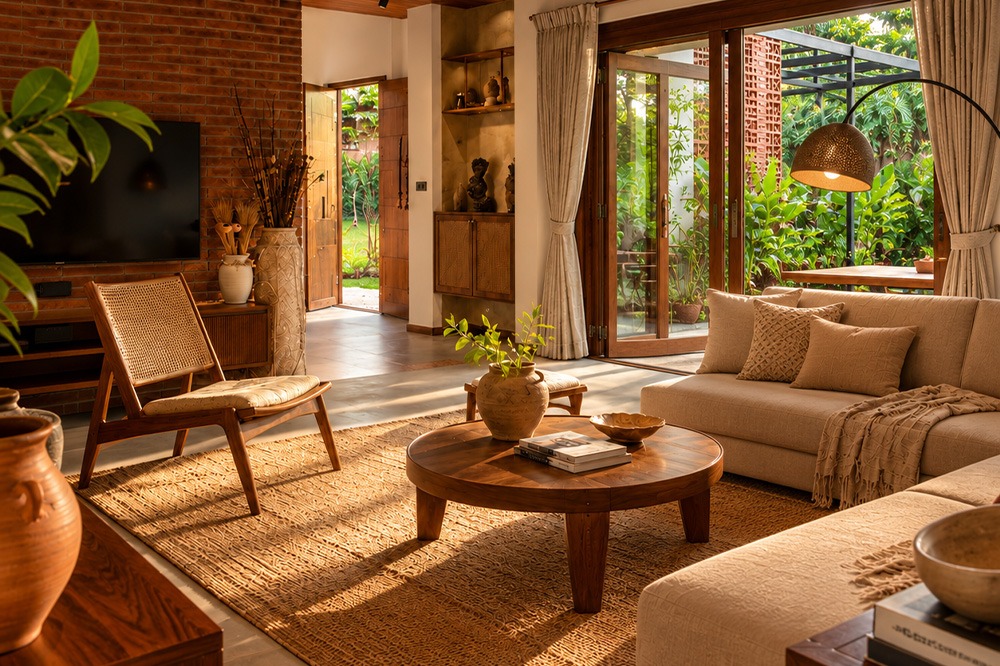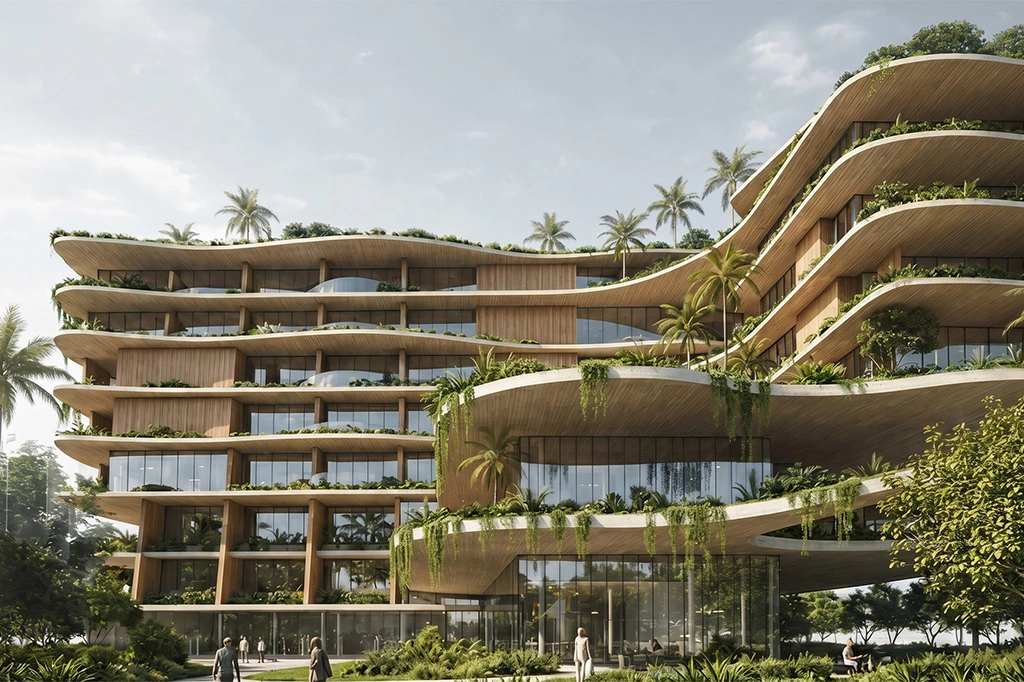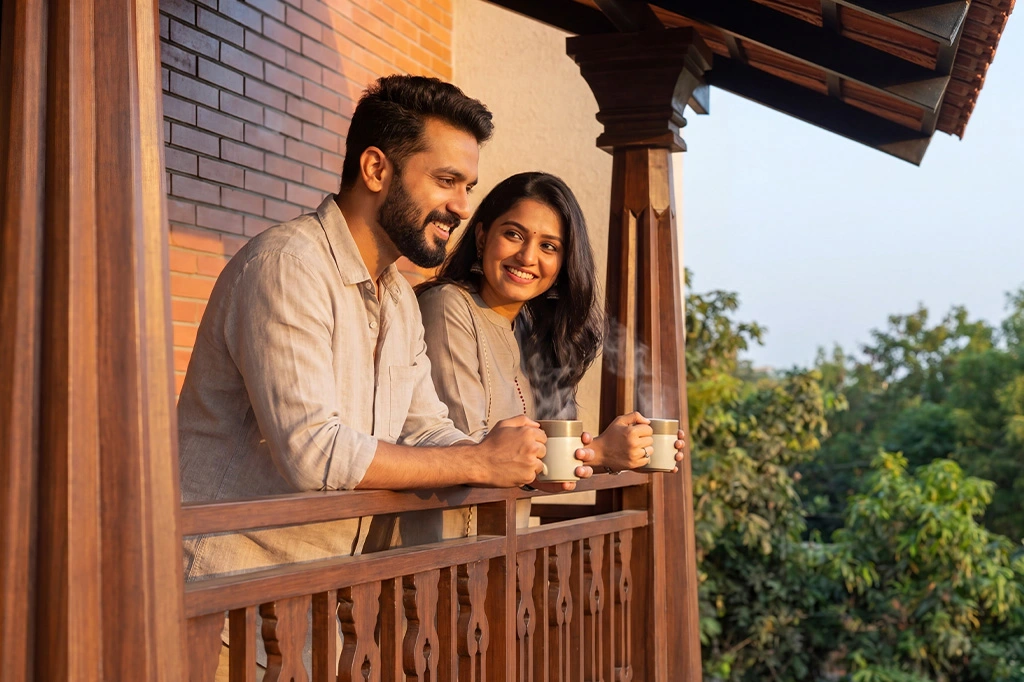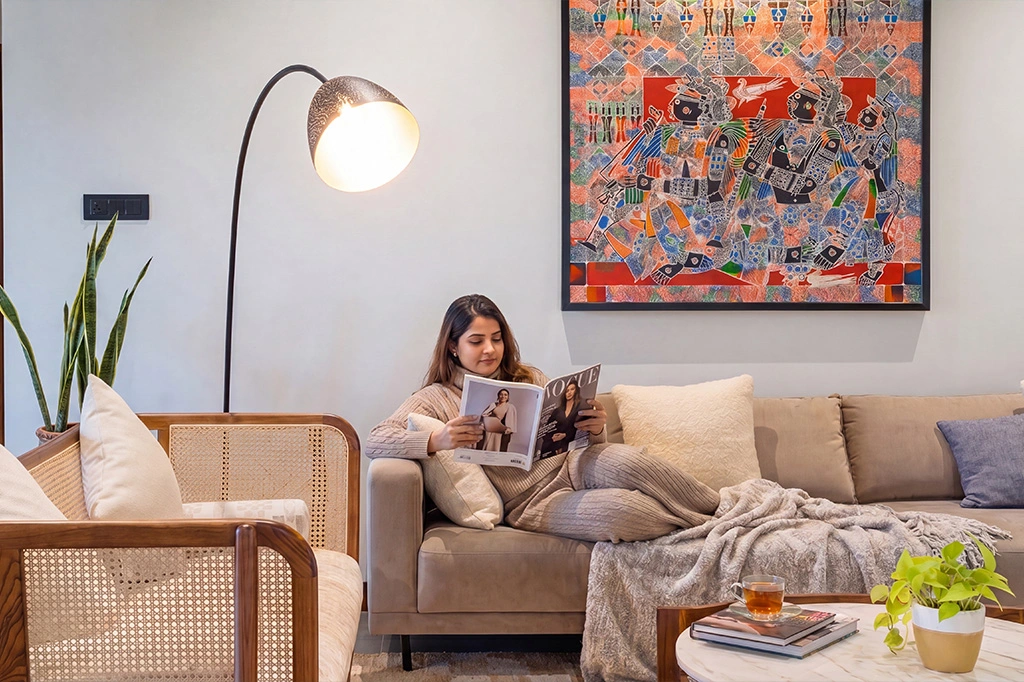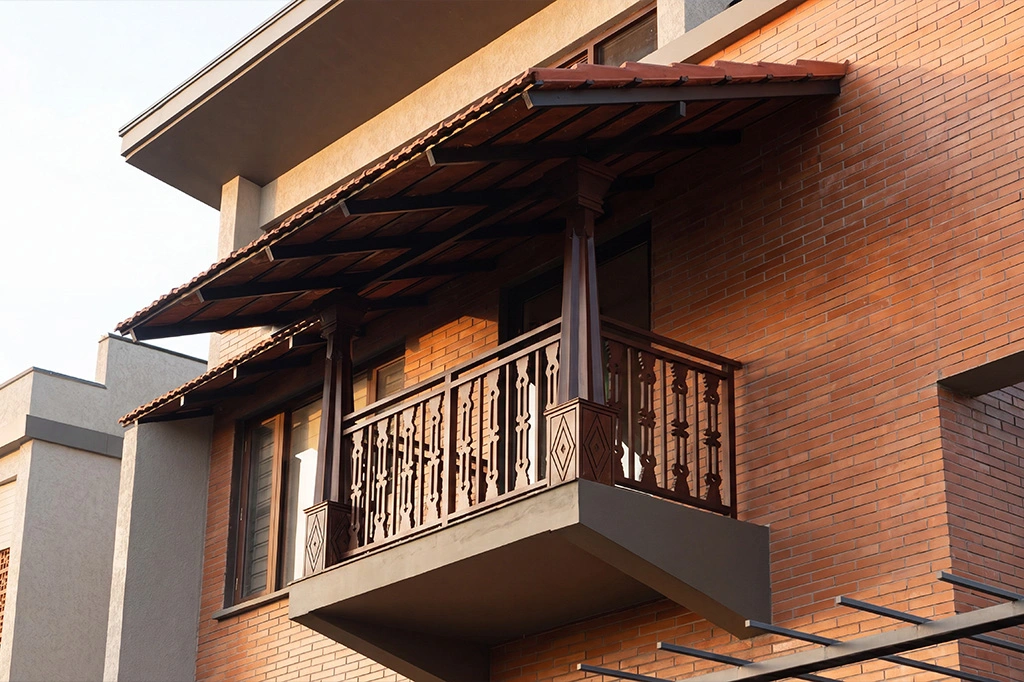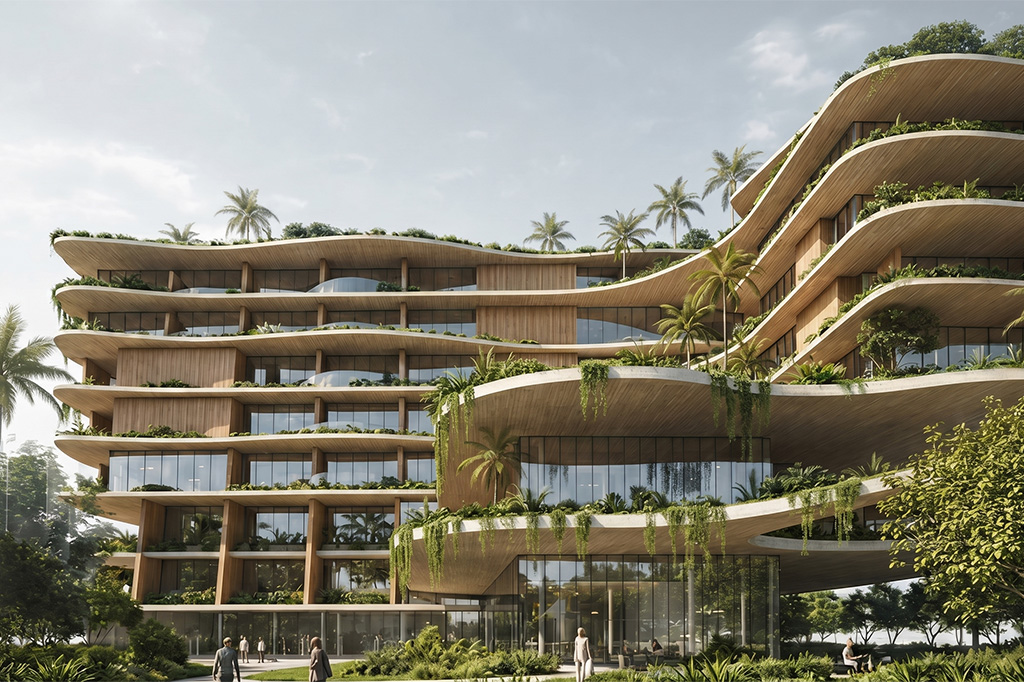

Nature has always influenced the way people experience a place. The presence of water, greenery, open landscapes and natural light creates an environment that feels different from the pace of conventional urban living.
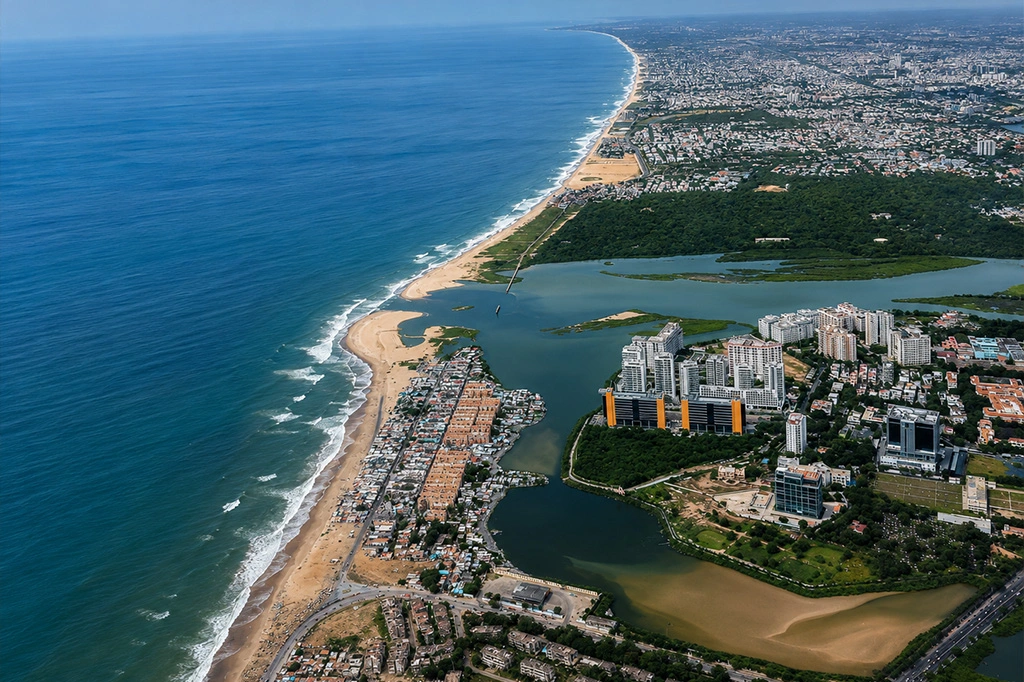
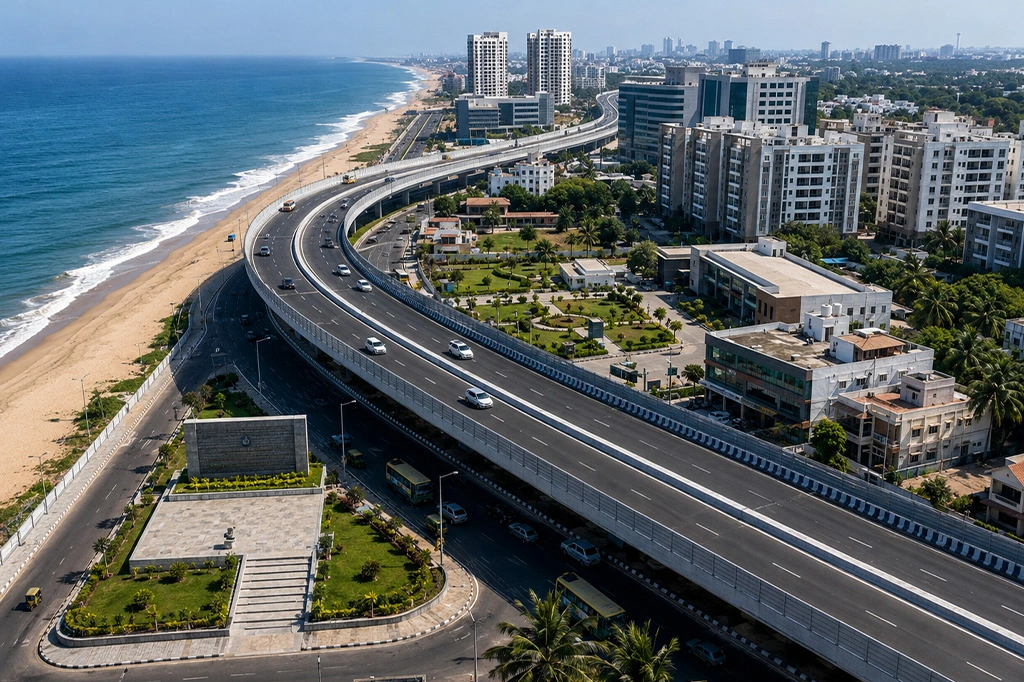
Yet, as cities expand, access to these elements is becoming increasingly valuable. In Chennai, where the coastline and tropical landscape form an important part of the city’s identity, integrating nature into residential planning presents an opportunity to rethink the neighbourhood itself.
A man-made beach within a residential community offers one such possibility. But beyond the appeal of a shoreline, it introduces a larger architectural question: can nature become an integral part of the way a neighbourhood is planned?
Bringing Nature Closer to Everyday Life
Traditionally, access to natural environments has often required residents to travel beyond their immediate neighbourhoods.
Parks, beaches and waterfronts become destinations reserved for weekends or occasional outings. As urban density increases, the opportunity to experience these environments as part of everyday life becomes more limited.
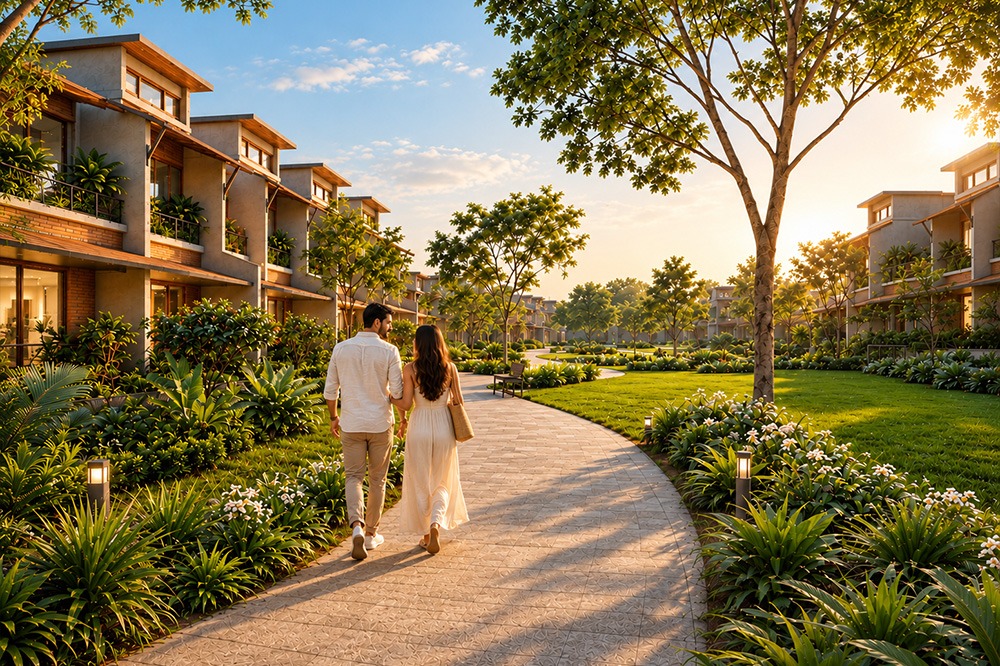
Nature-led residential planning approaches this differently. Instead of treating green spaces and water features as additions to a development, it considers them essential components of the overall master plan.
This approach allows residents to experience landscaped surroundings, open spaces and natural elements as part of their daily routines.
The Appeal of a Man-Made Beach
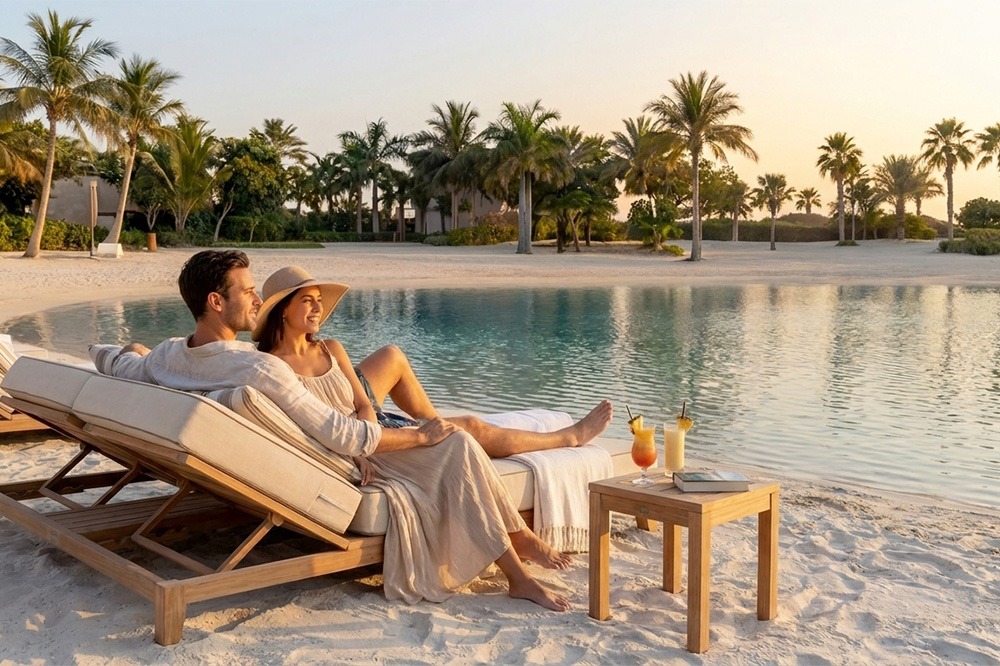
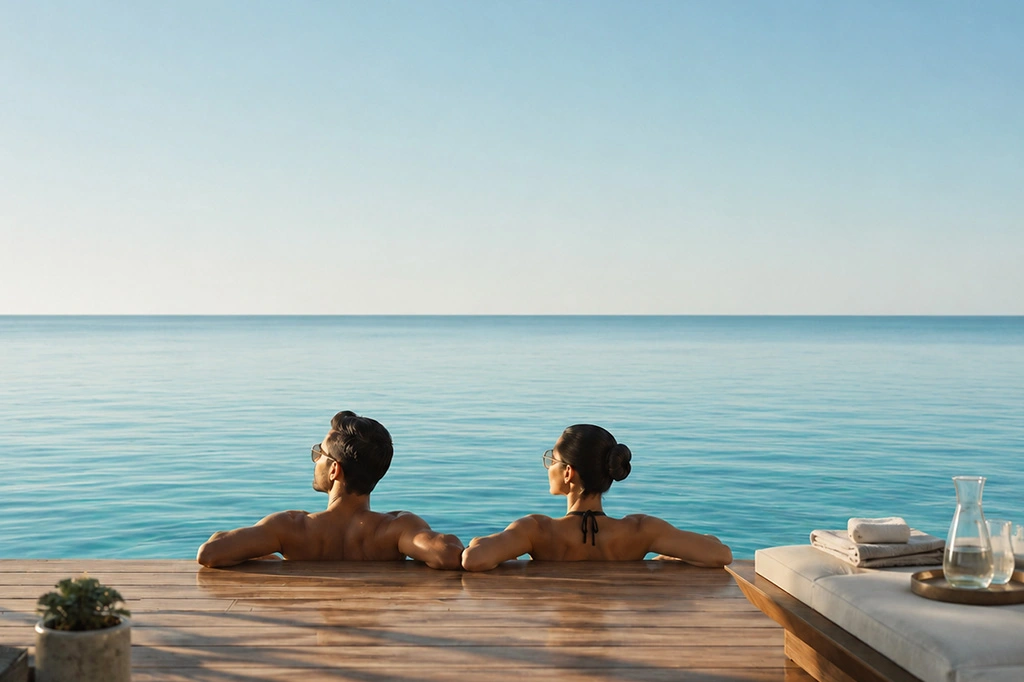
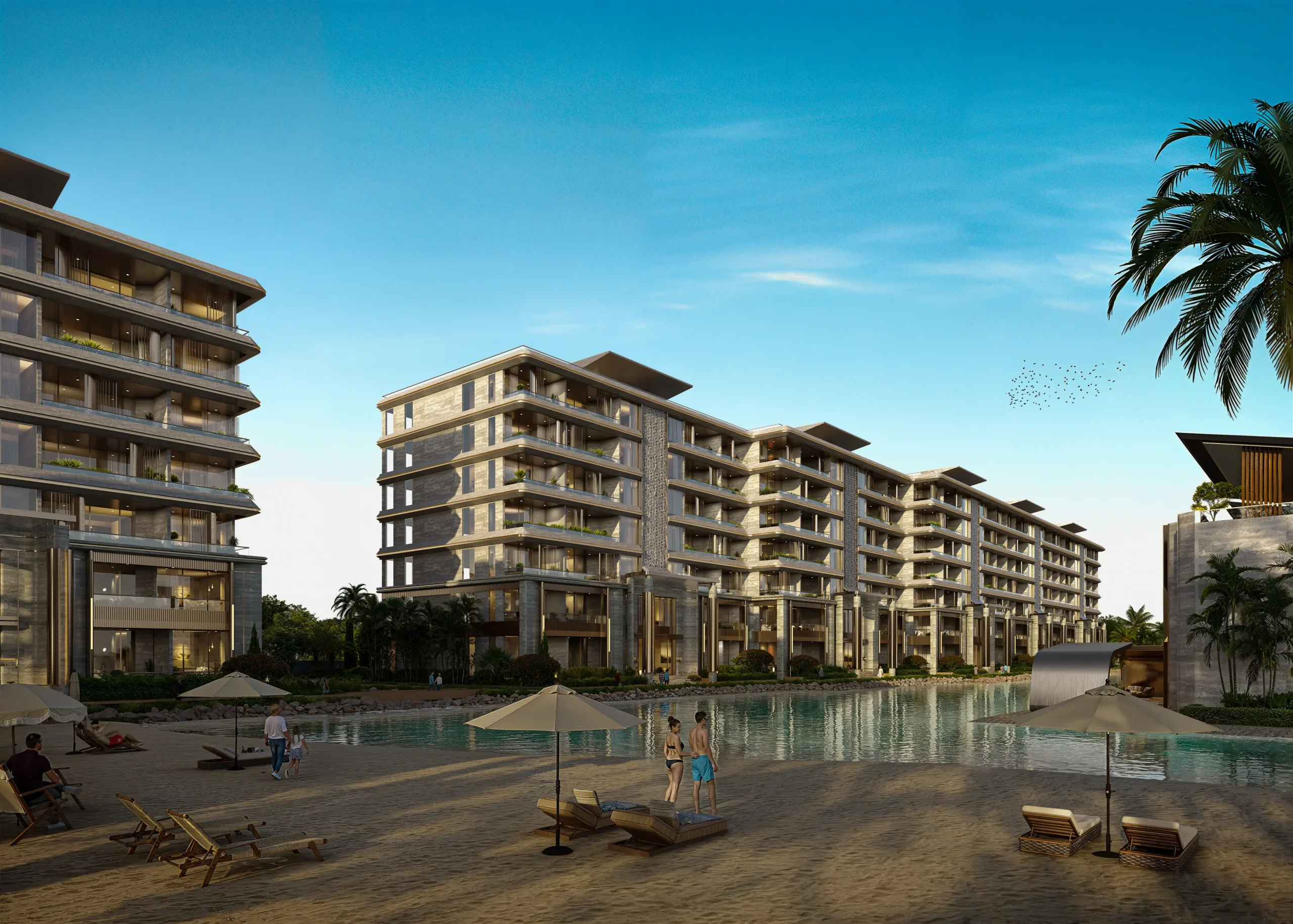
A man-made beach introduces a distinctive dimension to residential living by bringing together sand, water and open landscapes within a planned community.
Its significance extends beyond visual appeal. It creates an accessible outdoor environment where residents can walk, relax and spend time together.
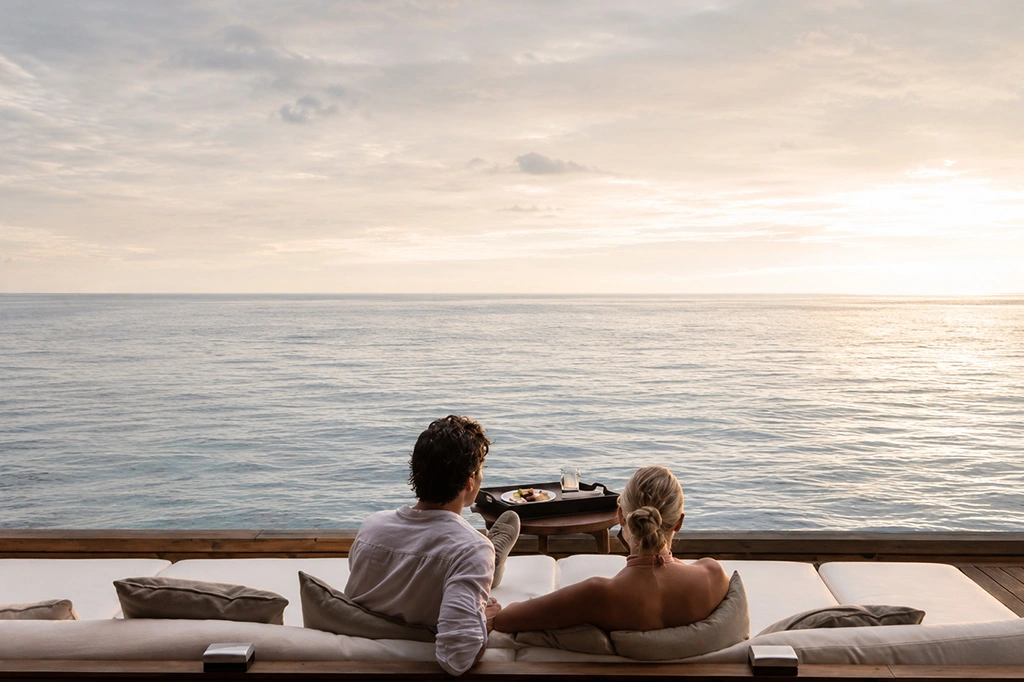
Morning walks along the shore, quiet evenings by the water and recreational experiences within the neighbourhood become part of everyday life rather than occasional activities.
The success of such an environment, however, depends on more than its creation. Water quality, drainage, safety, landscaping and ongoing maintenance are essential to ensuring that the experience remains consistent over time.
Water as an Element of Community Design
Water has long played an important role in the planning of settlements and public spaces.
From traditional temple tanks to urban waterfronts, water bodies have often served as gathering points that bring people together.
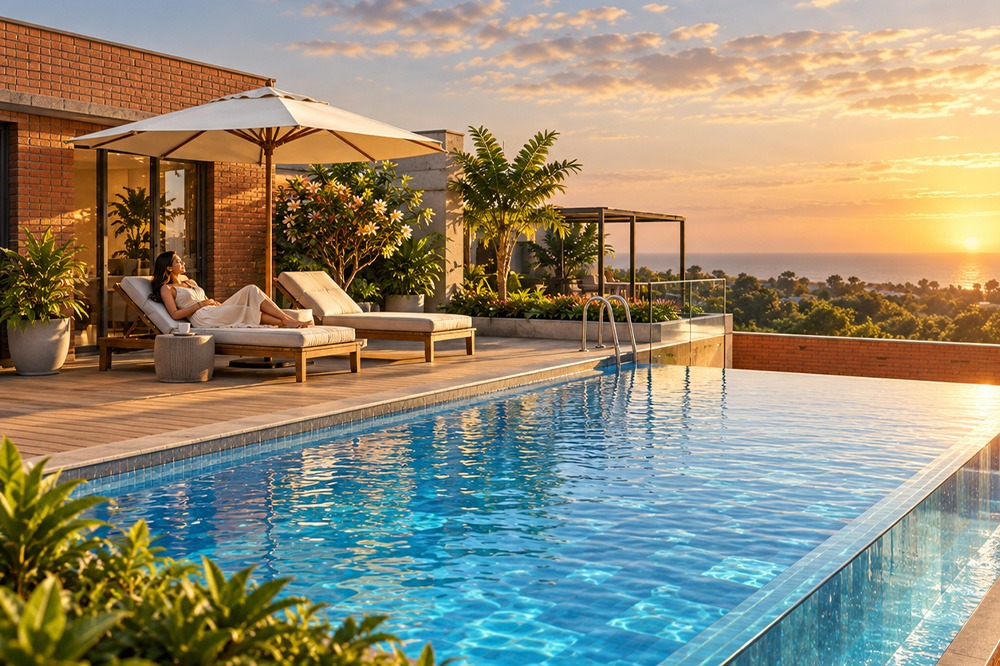
Within a contemporary residential development, a thoughtfully designed water environment can create a similar sense of connection.
It can influence the orientation of homes, the movement of pedestrian pathways and the positioning of shared recreational spaces.
When integrated into the master plan from the beginning, water becomes more than a landscape feature. It helps establish the identity and spatial character of the neighbourhood.
Creating Spaces for Different Generations
A successful nature-led community recognises that outdoor environments should accommodate different ages and lifestyles.
Children benefit from safe spaces where they can explore and play. Adults value opportunities for recreation and relaxation, while older residents appreciate accessible walking paths, shaded seating and quieter outdoor environments.
The planning of these spaces requires careful attention to accessibility, circulation, visibility and safety.
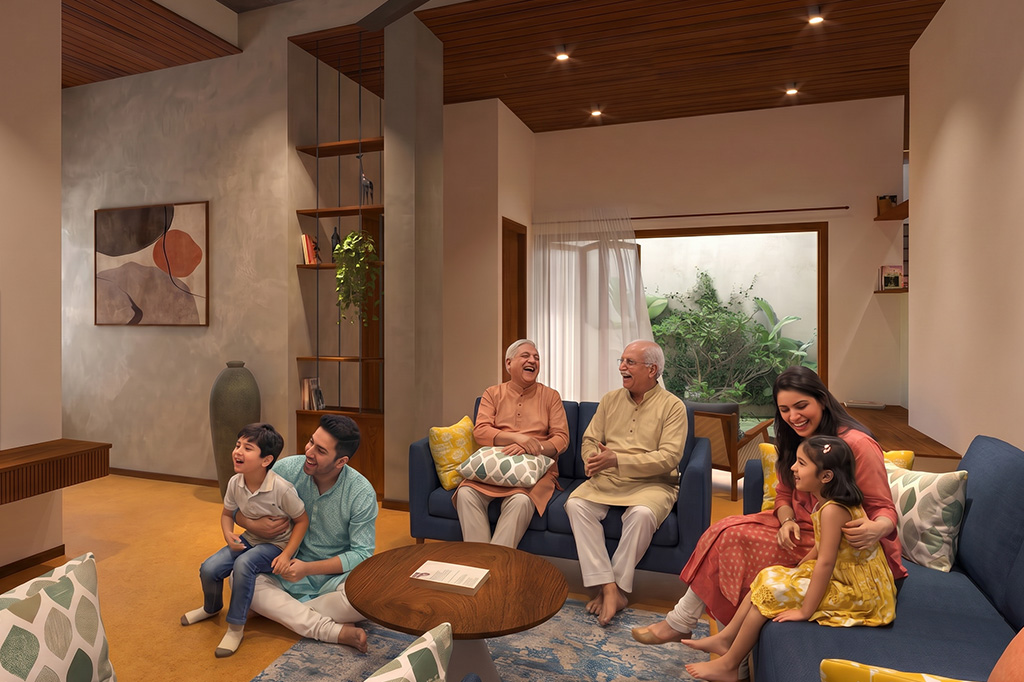
A well-designed neighbourhood allows residents to enjoy the outdoors in different ways while remaining connected to the larger community.
The Relationship Between Water, Greenery and Climate
The integration of natural elements can also influence the environmental character of a residential development.
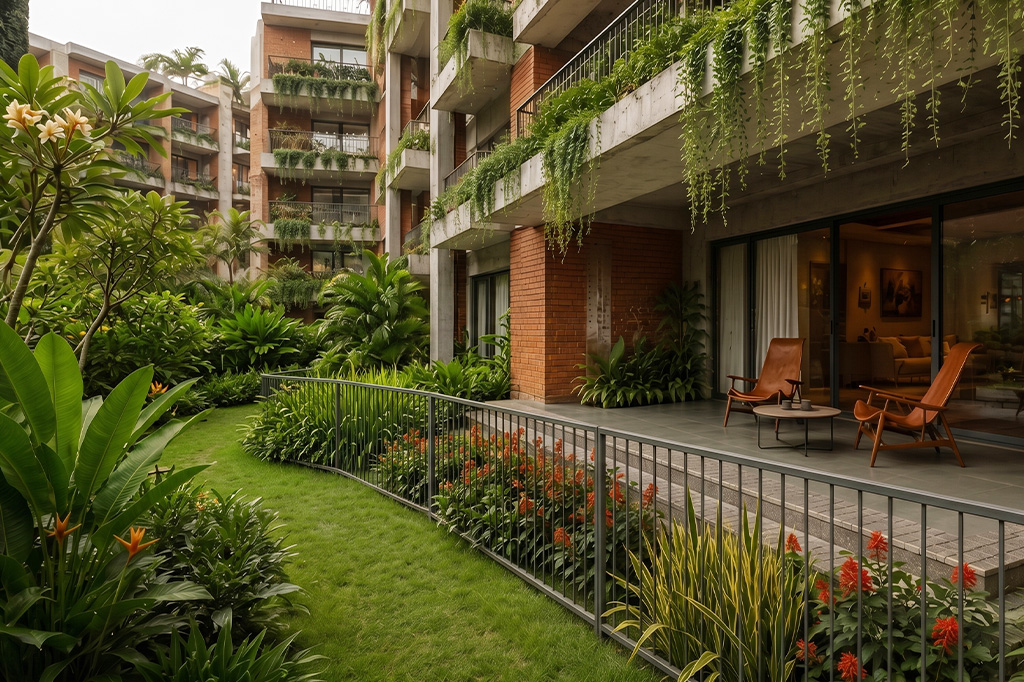
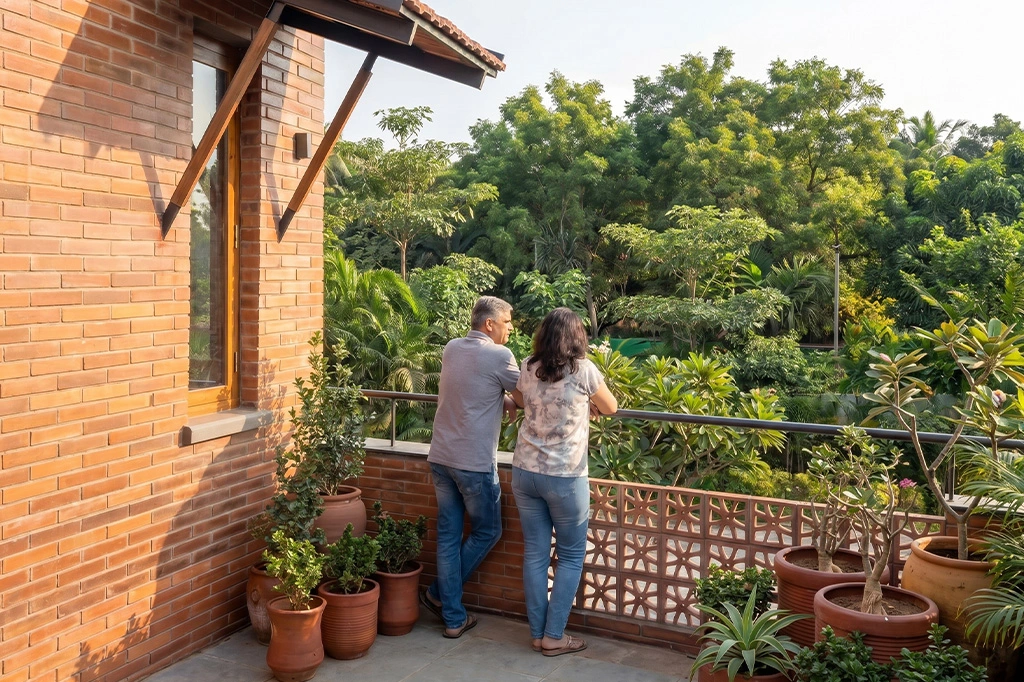
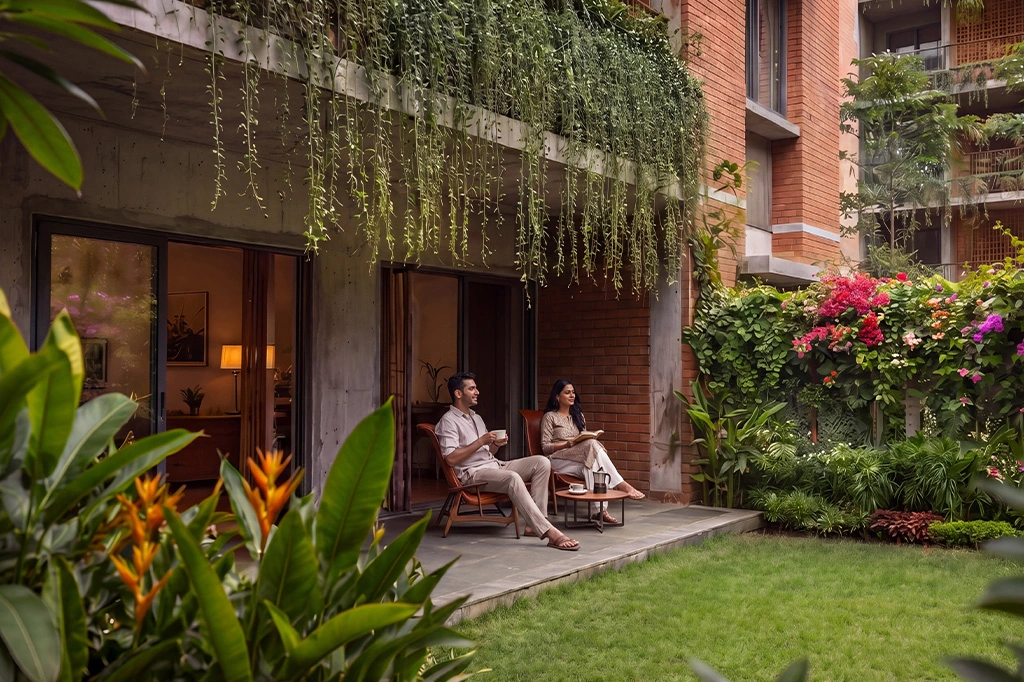
Trees provide shade, landscaped areas create visual relief and appropriately planned water bodies contribute to the overall landscape experience.
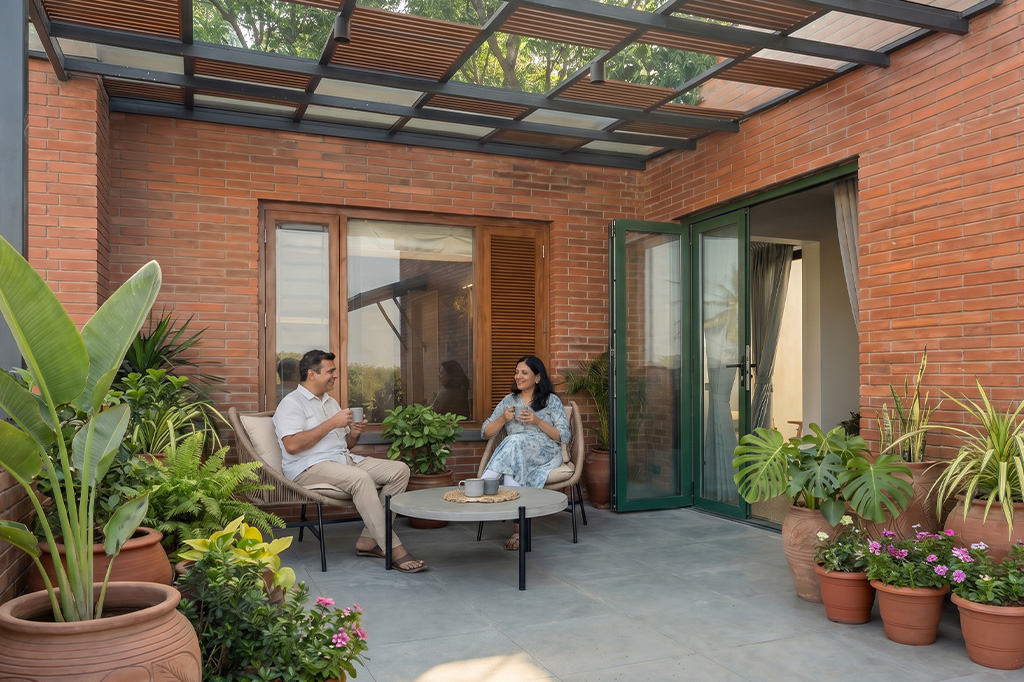
The selection of native vegetation is particularly relevant in coastal and tropical environments. Plants suited to local climatic conditions can support biodiversity while reducing the need for intensive maintenance.
Shaded pedestrian routes and strategically placed green spaces can further improve the experience of moving through a development.
The objective is to create a landscape that responds to its surroundings rather than simply introducing decorative greenery
Designing the Neighbourhood Around Nature
For nature to become a meaningful part of residential life, it must influence the planning process from the outset.
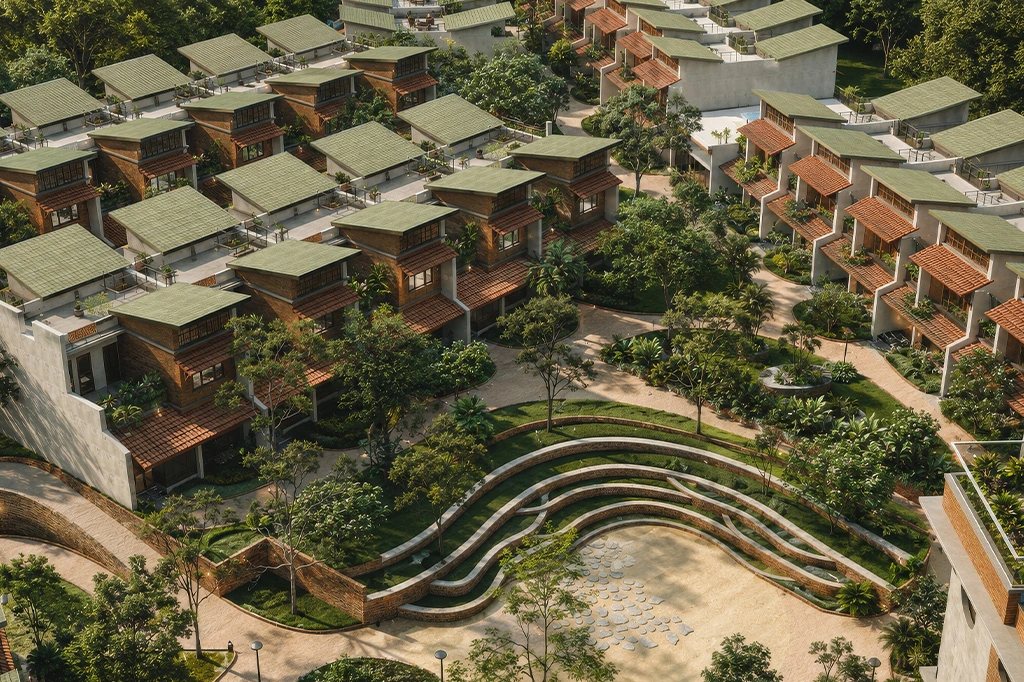
The placement of residences, pedestrian pathways, open spaces and recreational facilities should work together to establish a cohesive environment.
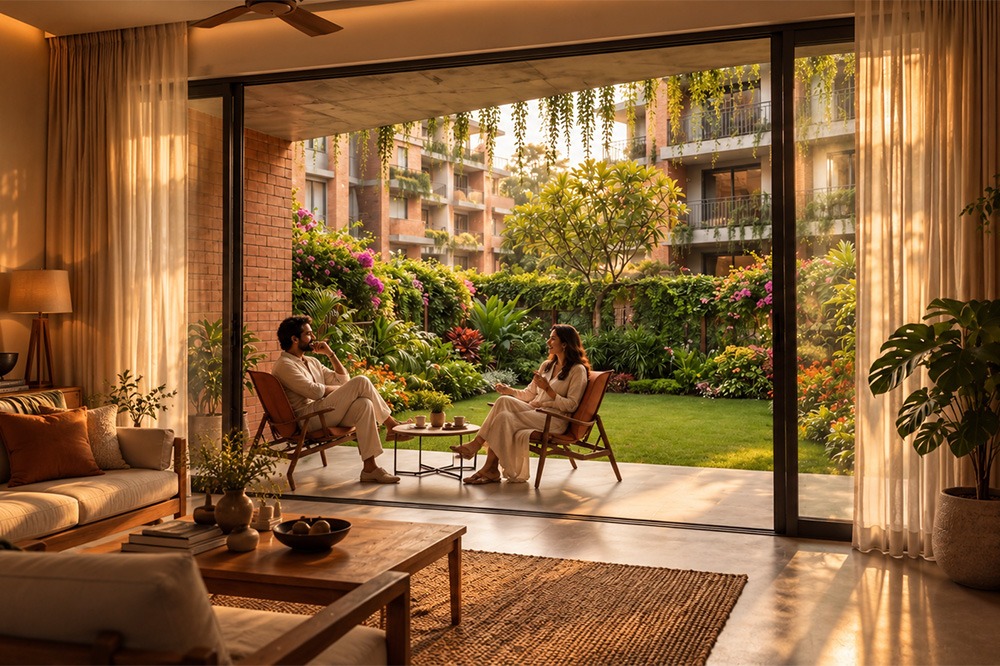
A well-considered master plan creates natural connections between homes and shared landscapes, encouraging residents to use these spaces as part of their everyday routines.
Equally important is the long-term management of these environments. Water treatment, drainage systems, landscaping and maintenance require consistent planning and execution.
The distinction lies in creating an environment that can be sustained, not simply presented.
Beyond Conventional Community Living
As residential expectations evolve, the relationship between architecture and nature is becoming an increasingly important consideration.
A neighbourhood designed around natural elements offers a different perspective on urban living. It creates opportunities for outdoor experiences, meaningful interactions and a closer relationship with the surrounding landscape.
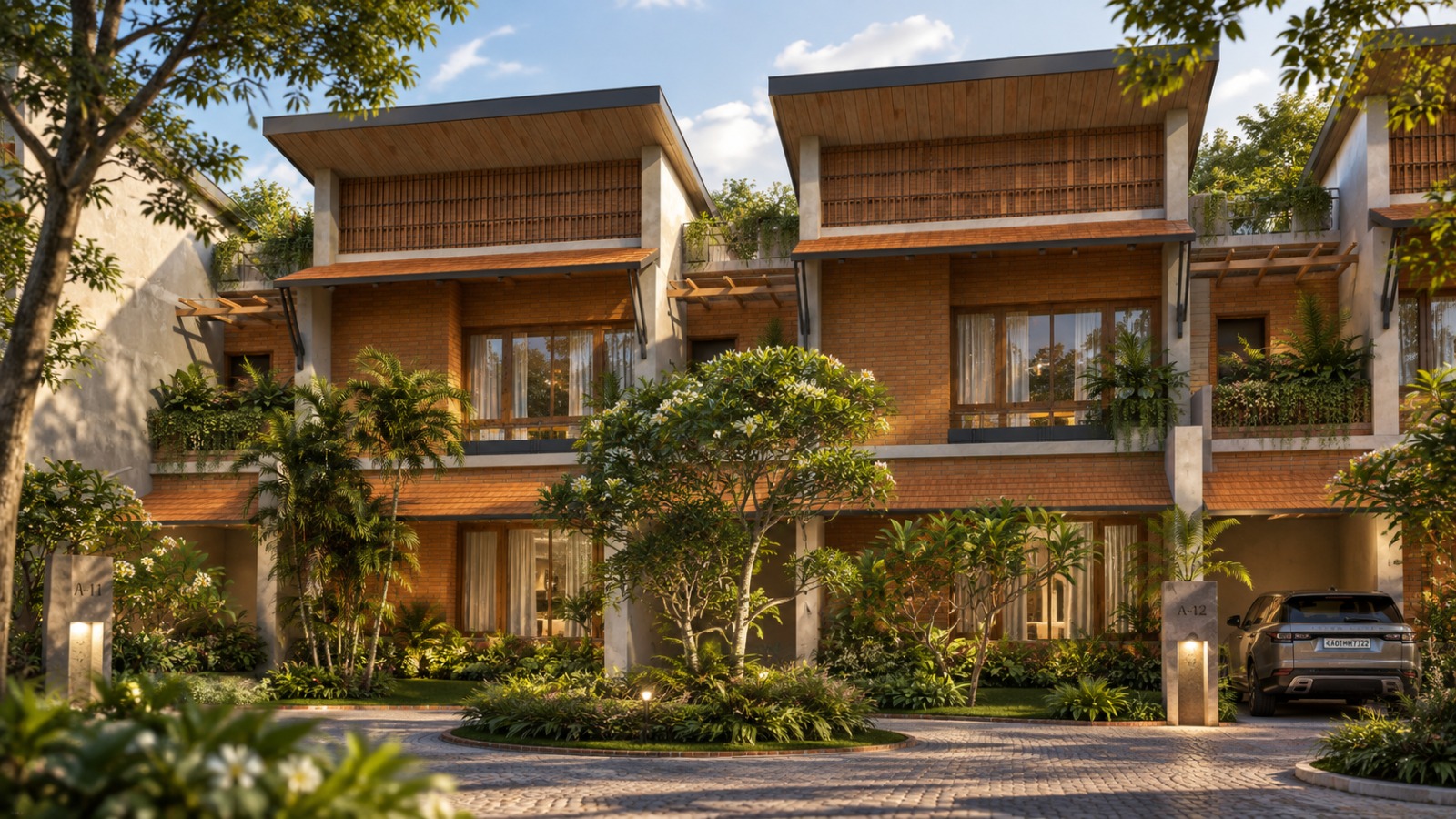
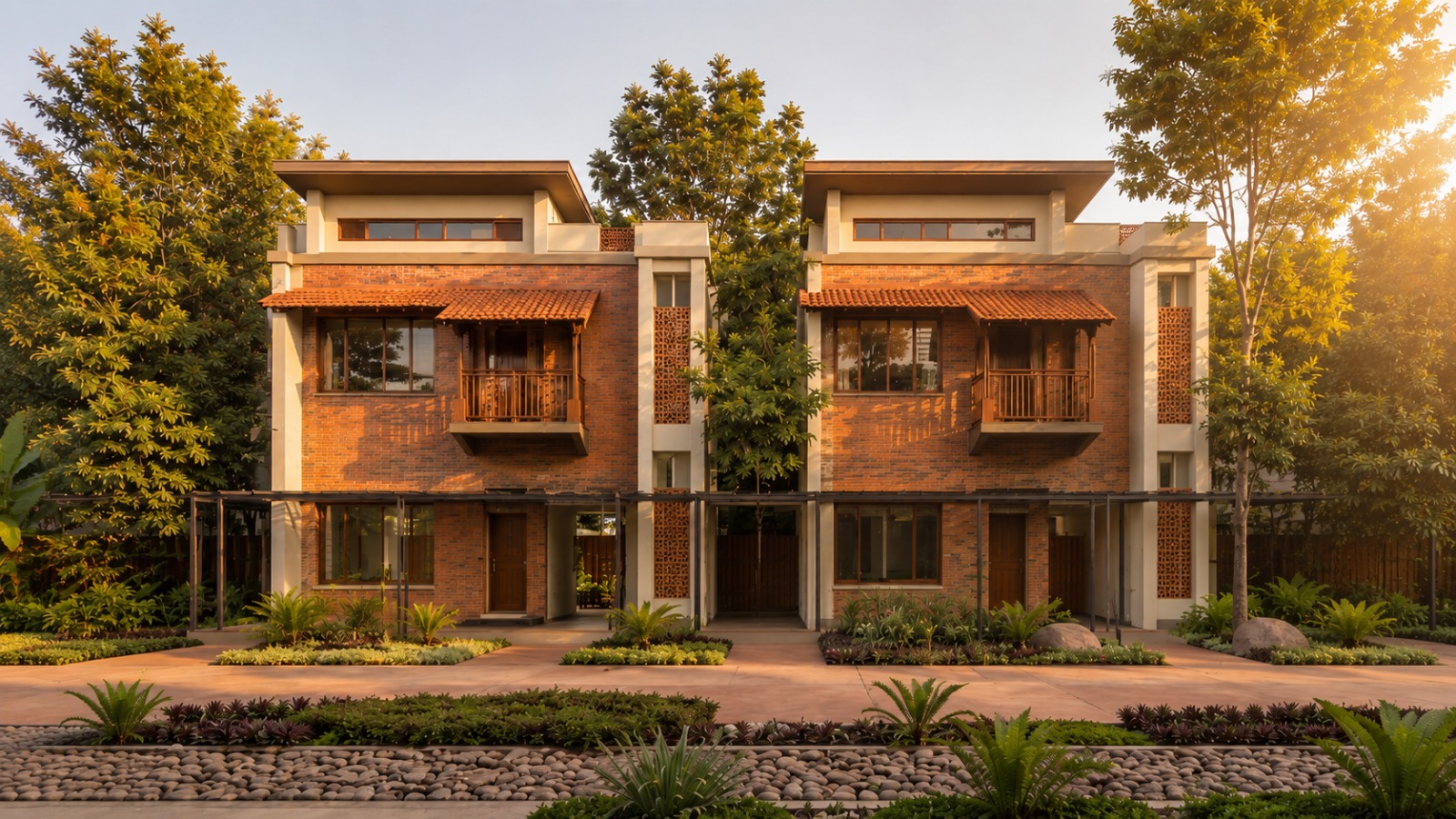
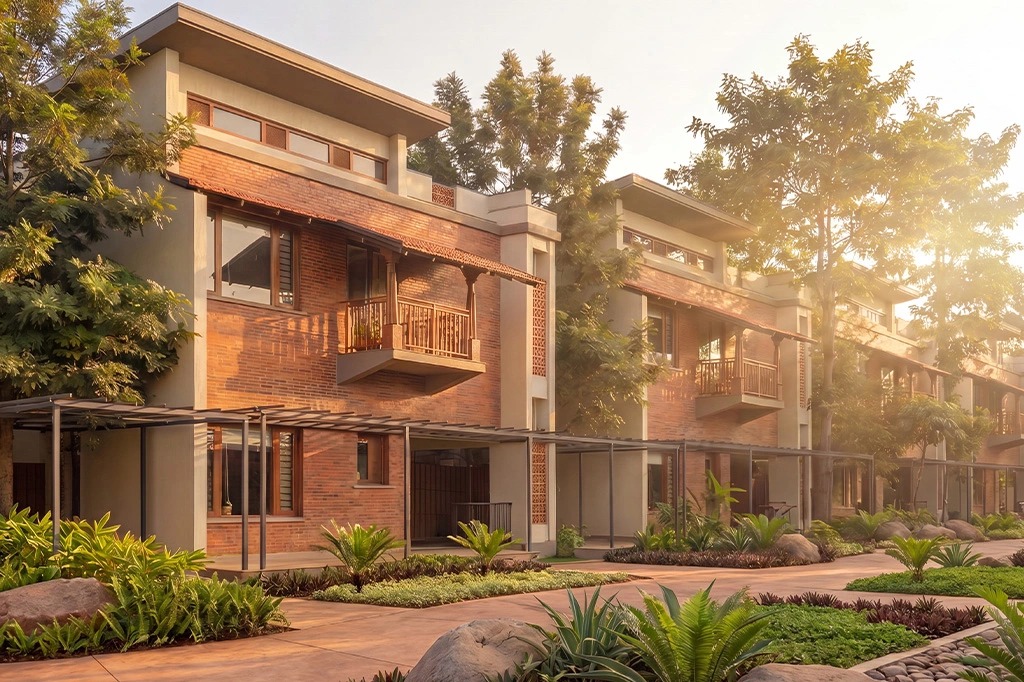
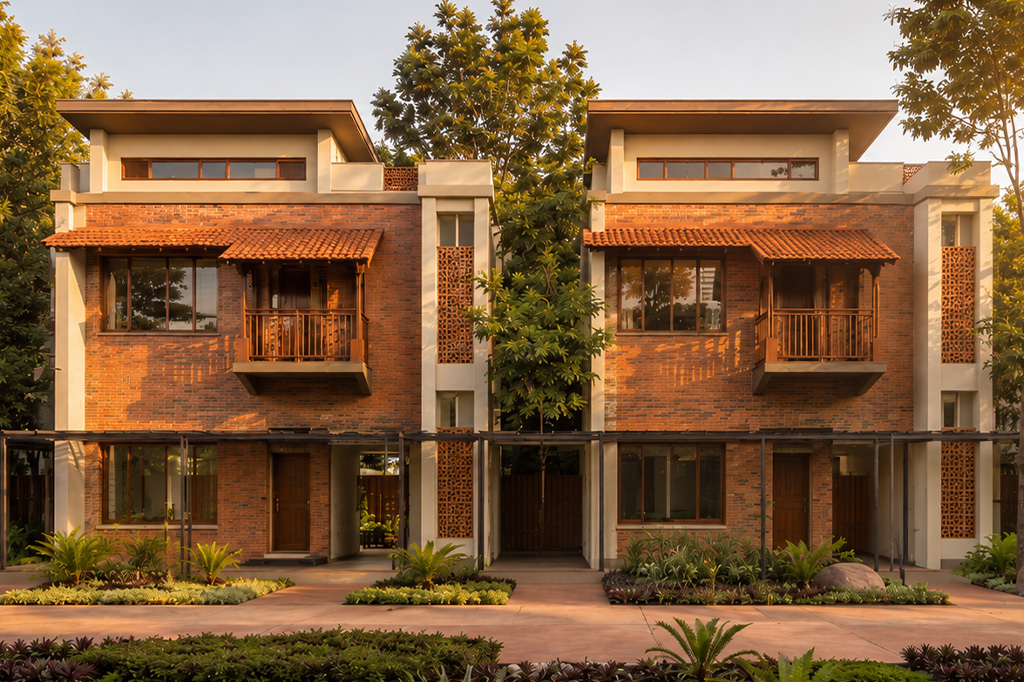
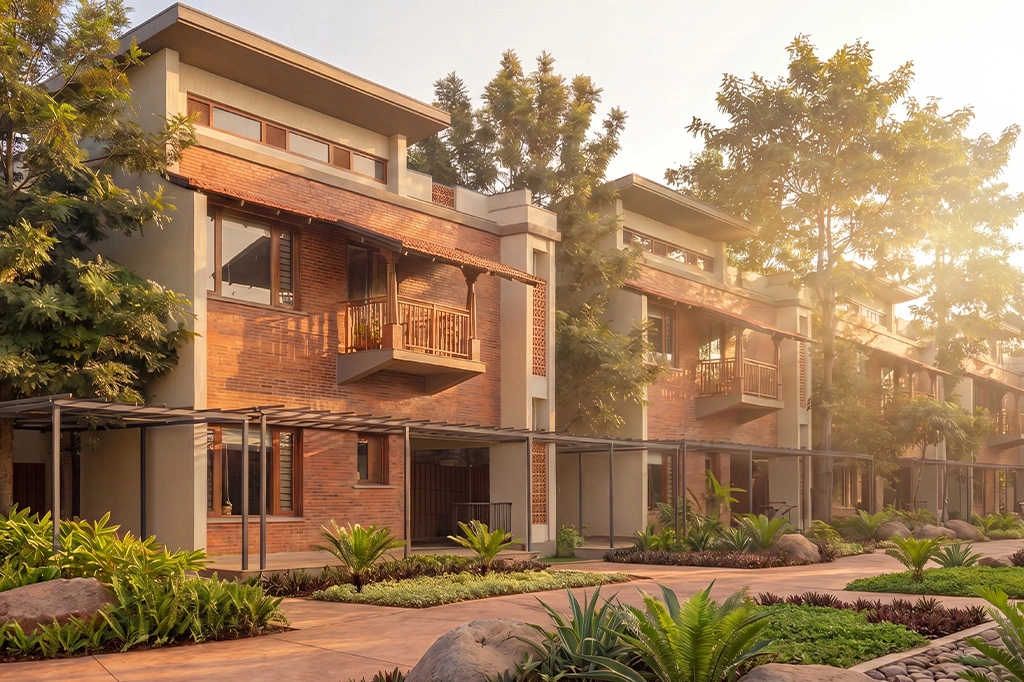
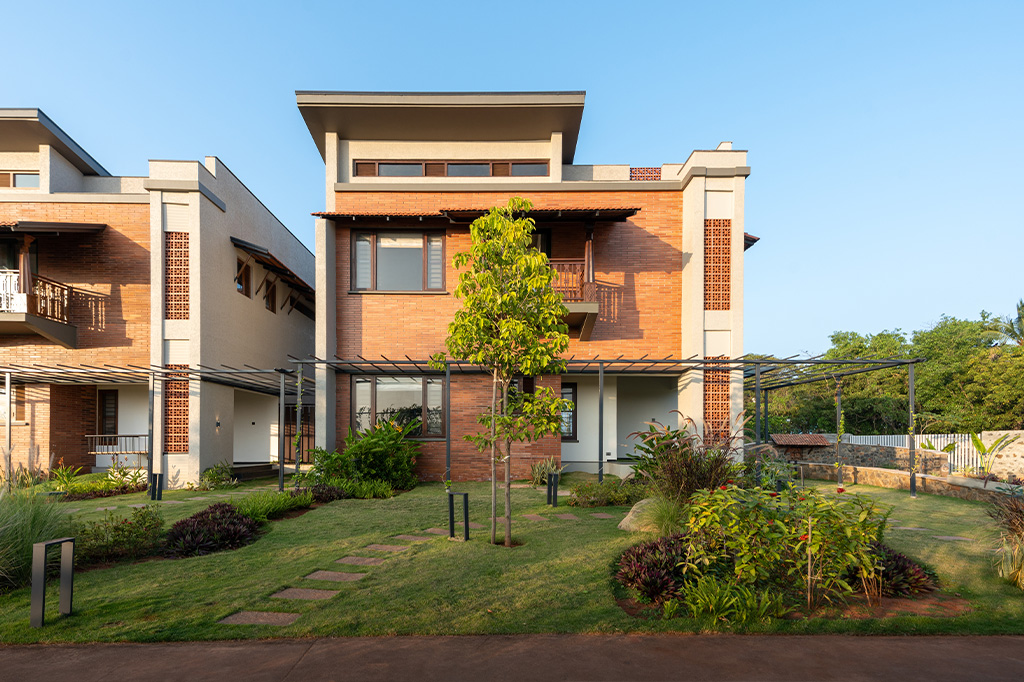
At GTB, Republic of Nature reflects this approach through a nature-led master plan that brings together residential spaces, landscaped environments and a 3.5-acre man-made beach and lagoon within a 32-acre development.
The larger idea is to make nature part of the residential experience rather than something residents have to seek beyond it.
Can Nature Truly Be Designed?
Nature cannot be replicated entirely through architecture, but the conditions for experiencing it can be thoughtfully created.
Through considered master planning, landscape design, water integration and long-term stewardship, residential developments can establish environments where natural elements become part of everyday life.
The success of such communities lies not in the features they introduce, but in how naturally those features become part of the lives of their residents.
Because the most meaningful relationship with nature is one that does not require a special occasion.