
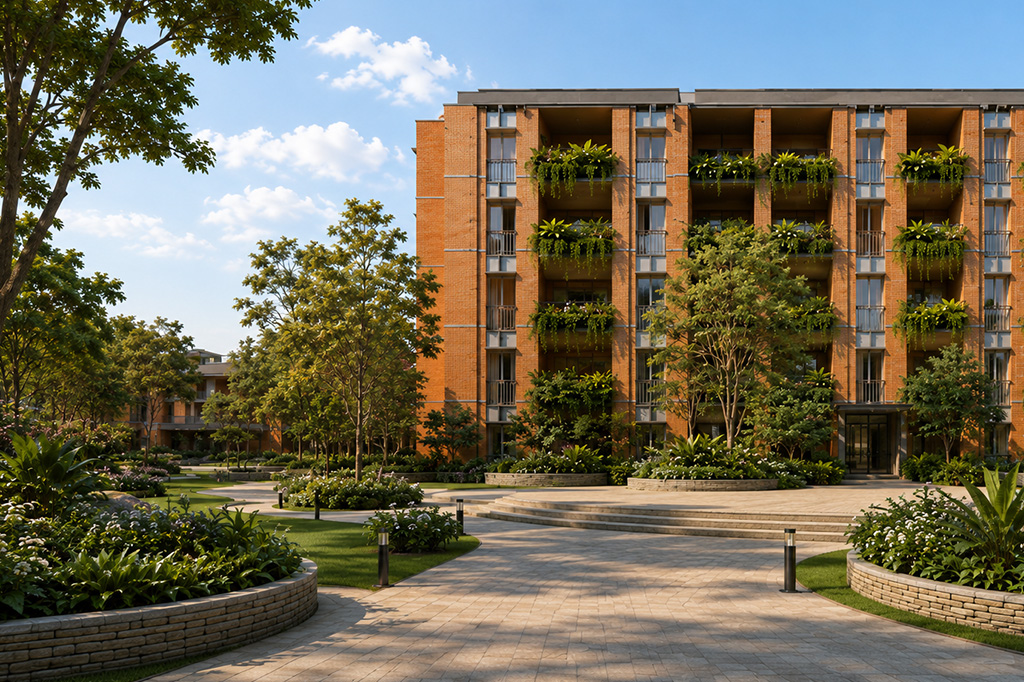
What makes a luxury home worth its price is never visible at first glance. It is built into every decision that preceded it.
There is a common misconception about luxury residential development, that its value lives in what can be seen. The architecture. The finishes. The amenities. These matter, of course. But beneath them lies an economic structure that determines not simply how a home looks on the day of possession, but how it performs and endures across the decades that follow. For the buyer who thinks carefully about what they are acquiring, understanding that structure changes everything.
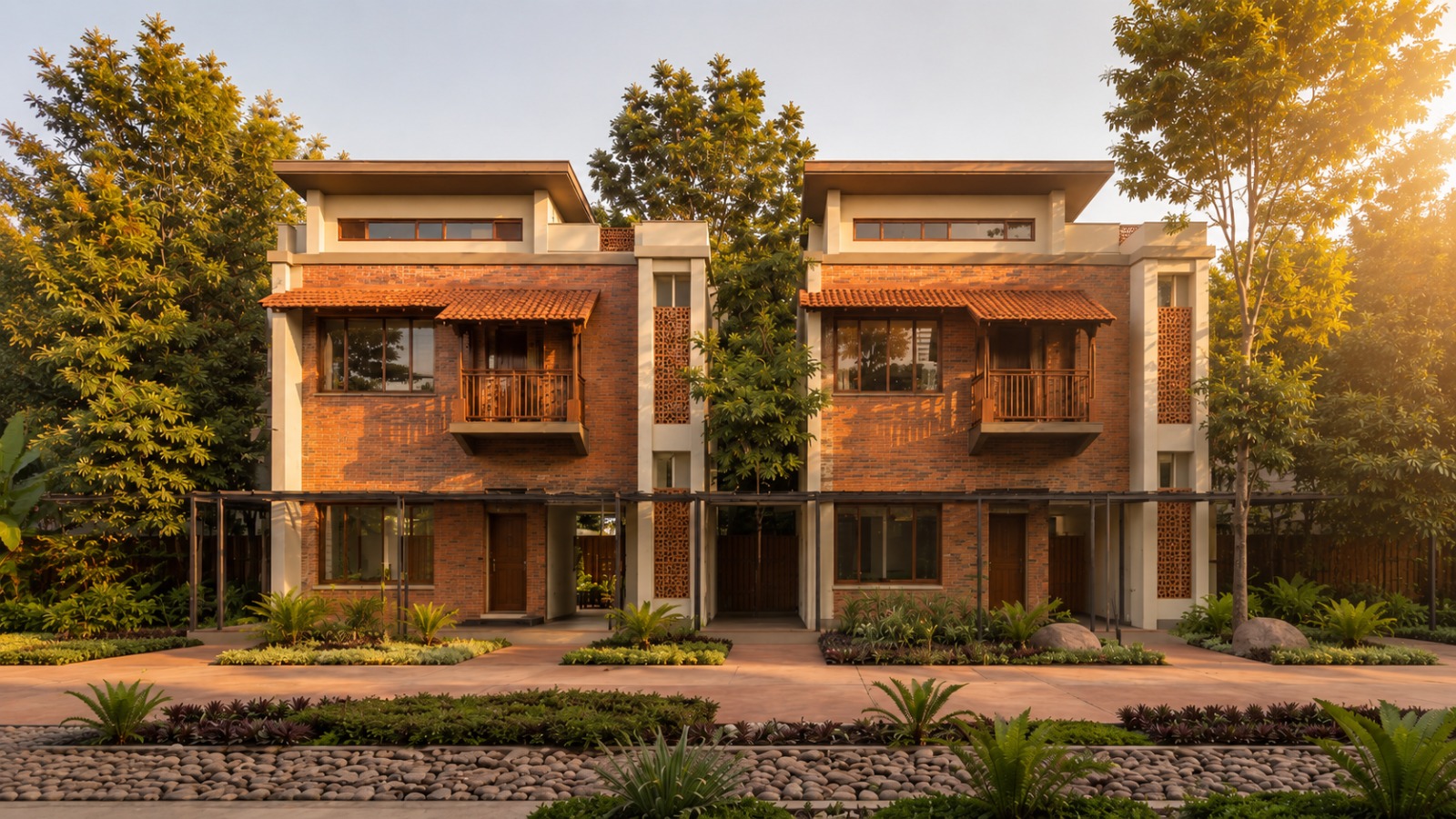
It begins with land. In premium locations, the cost of acquiring the right site forms a significant part of total project expenditure, and that is exactly as it should be. A luxury development is often defined by its address before a single design decision has been made. The land gives the development its identity. Everything built upon it must honour that foundation, a principle followed by luxury residential developers in Chennai. A developer who treats land as just another cost to be managed has already made a decision that the buyer will feel, even if they cannot name it.
That foundation creates a specific discipline in everything that follows. Density must remain low to protect the character of the location. But fewer homes means fixed costs are spread across fewer units, which means every planning decision carries real weight. Layout, configuration, and the use of every square foot, none of it can be careless. In genuine luxury development, precision is not a design value. It is an economic necessity.
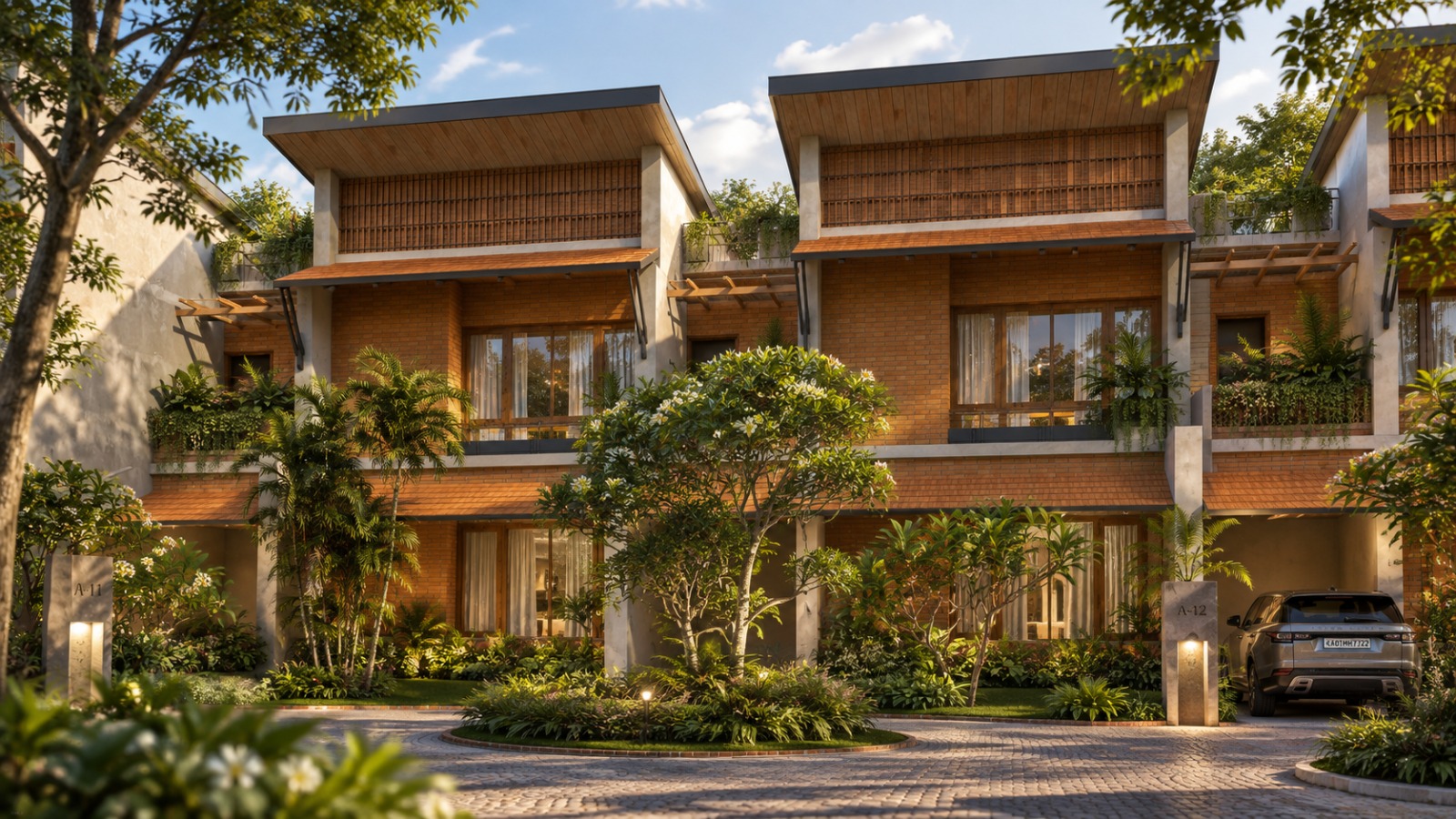
Construction cost in this segment operates on a different scale entirely. Premium materials, engineered systems, quality finishes, and specialist contractors are not additions to a base product. They are the product. They define the quality of what is delivered and how long it performs at that level. A developer who looks for ways to reduce these costs without reducing what the buyer experiences is not managing a budget. They are making a decision about whose interests come first.
Compliance is where the discipline of a developer is most honestly revealed. Statutory approvals, environmental clearances, safety certifications, and occupancy validations are not administrative steps to be managed around. They are obligations, legal, ethical, and practical, that responsible developers fulfil completely, on every project, without exception. A home that is not fully compliant is not a luxury home in any meaningful sense. It is a risk that the buyer inherits and lives with long after the developer has moved on.
Timeline matters more than most buyers realise. Extended construction periods increase costs, introduce material price risk, and, most importantly, test the trust of people who have made a significant commitment based on a promise. Developers who plan with care and build with consistency protect that trust as actively as they protect their own margins. In luxury development, delay is never simply inconvenient. It is a signal about how a project is actually being run.
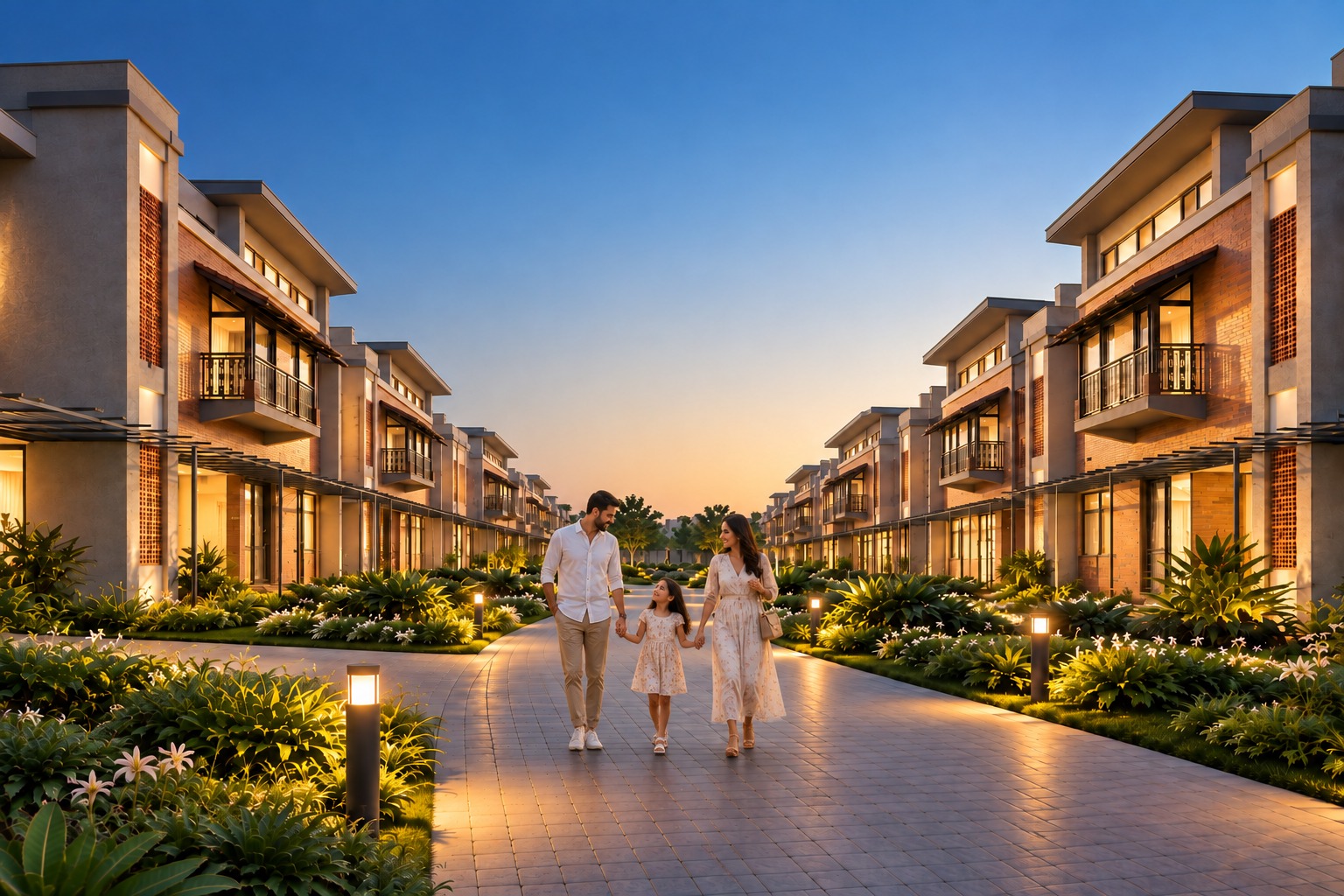
Amenities are another area where the real commitment of a developer becomes clear over time. Landscaped grounds, community spaces, and wellness facilities require not only the investment to create but the sustained commitment to maintain. The true cost of an amenity is not what it takes to build. It is what it takes to keep, year after year, at a standard that continues to justify its presence. Many developments deliver on the promise at launch. Fewer honour it five years later. The difference is discipline, not intention.
Pricing in the luxury segment reflects all of this. It is not a function of demand or perception alone. It is a function of what a development genuinely costs to conceive, approve, construct, and deliver with integrity. Buyers who understand this evaluate differently. They do not compare price per square foot across segments. They ask what that price actually represents, in land quality, construction standard, compliance integrity, and the long-term commitment of the developer behind it.
Resale performance confirms what pricing implies. Developments delivered by developers with consistent construction quality, strong compliance records, and well-maintained communities hold their value with a resilience that the market notices and rewards. The market does not forget how a project was built. It does not forget how it was managed after handover. And it does not forgive developers who treated both as secondary concerns.
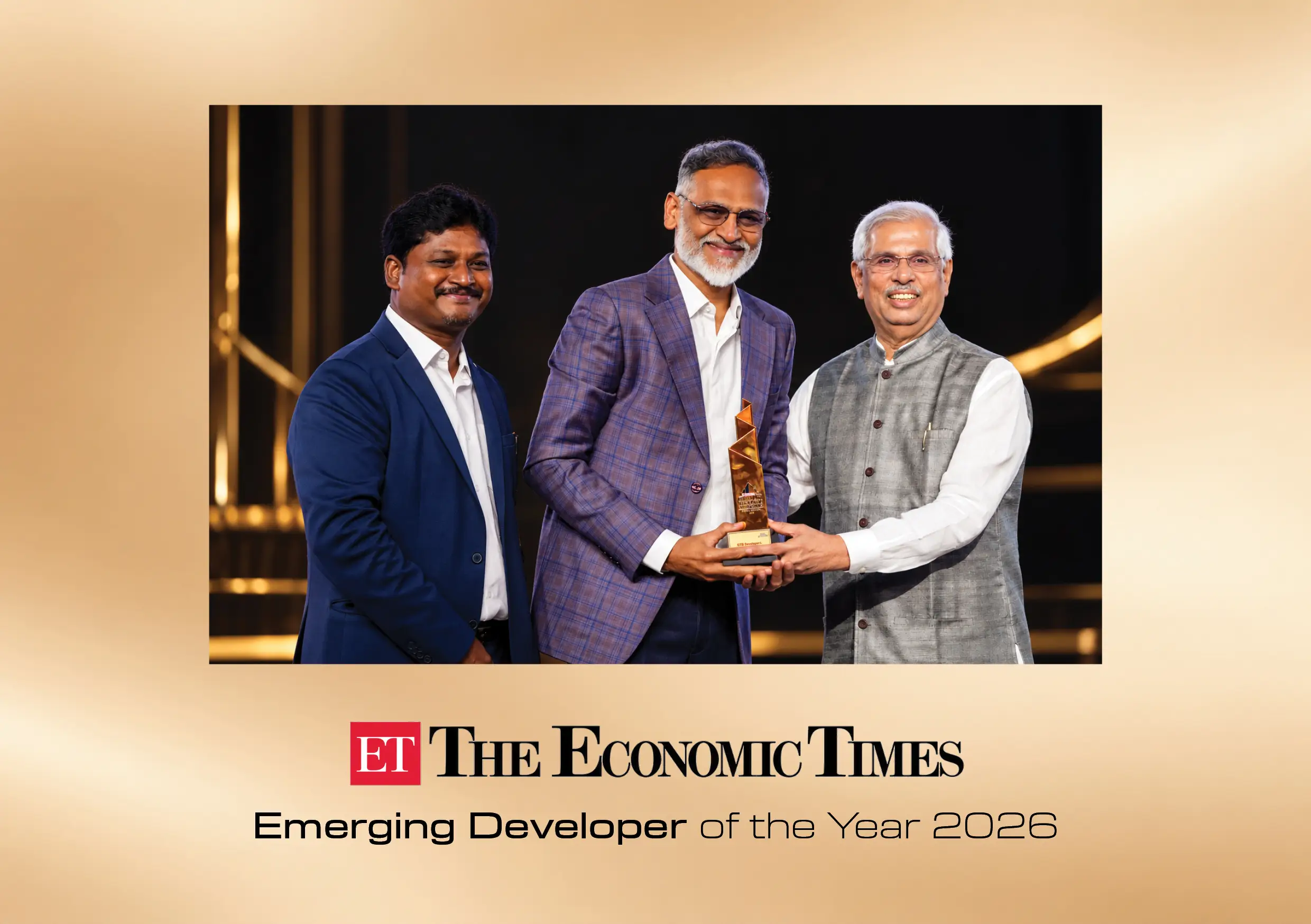
At GTB, the economics of luxury development are not treated as constraints to work around. They are the framework within which quality is either upheld or quietly abandoned. Every decision, from land selection to construction specification to the ongoing stewardship of a community after possession, is made with the understanding that value is built through sustained discipline, not communicated through a brochure, reflecting the standards upheld by luxury residential developers in Chennai.
What makes a luxury home worth its price is never visible at first glance. It is present in every decision that came before, and it endures long after the market has moved on.