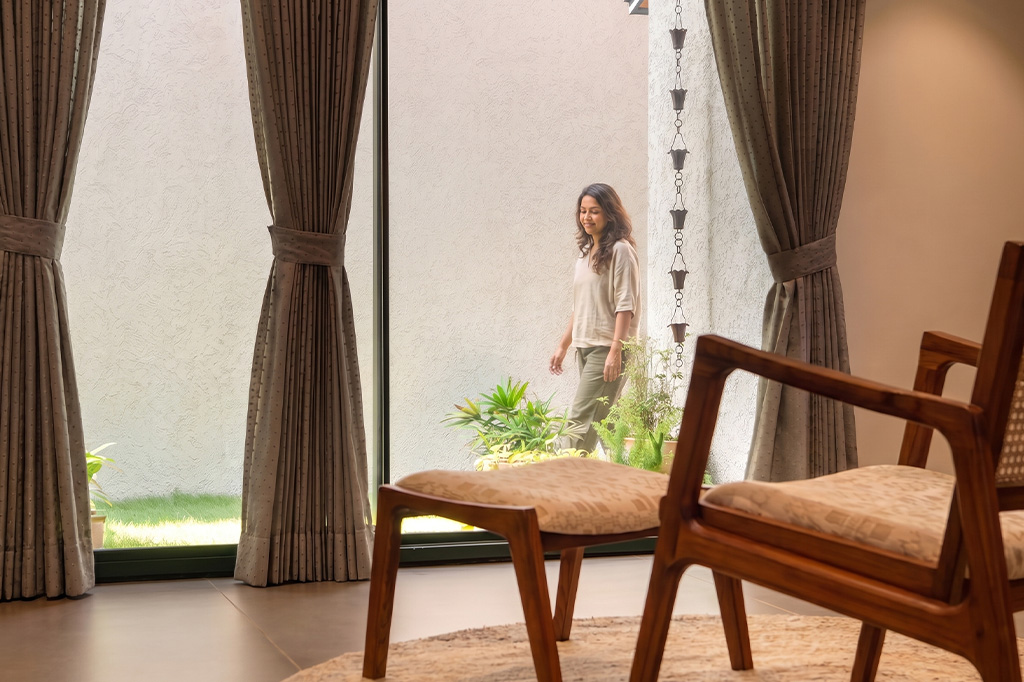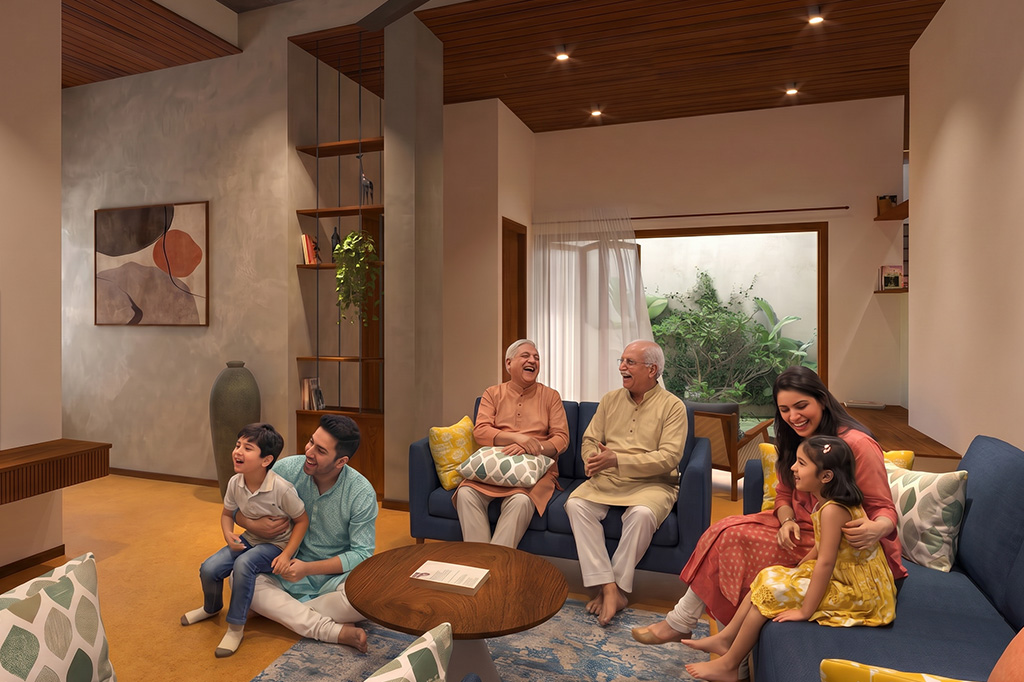

Some homes become more meaningful with time. They are remembered for the gatherings they host, the routines they accommodate and the familiarity they offer across generations.
Their value is rarely defined by their finishes or architectural scale alone. Instead, it emerges through a combination of thoughtful planning, lasting comfort and a sense of belonging.
For premium home developers in Chennai, this presents an important consideration. What makes a residence more than a place to live? And what are the qualities that allow a home to remain relevant through changing stages of life?
The Emotional Connection Between People and Place
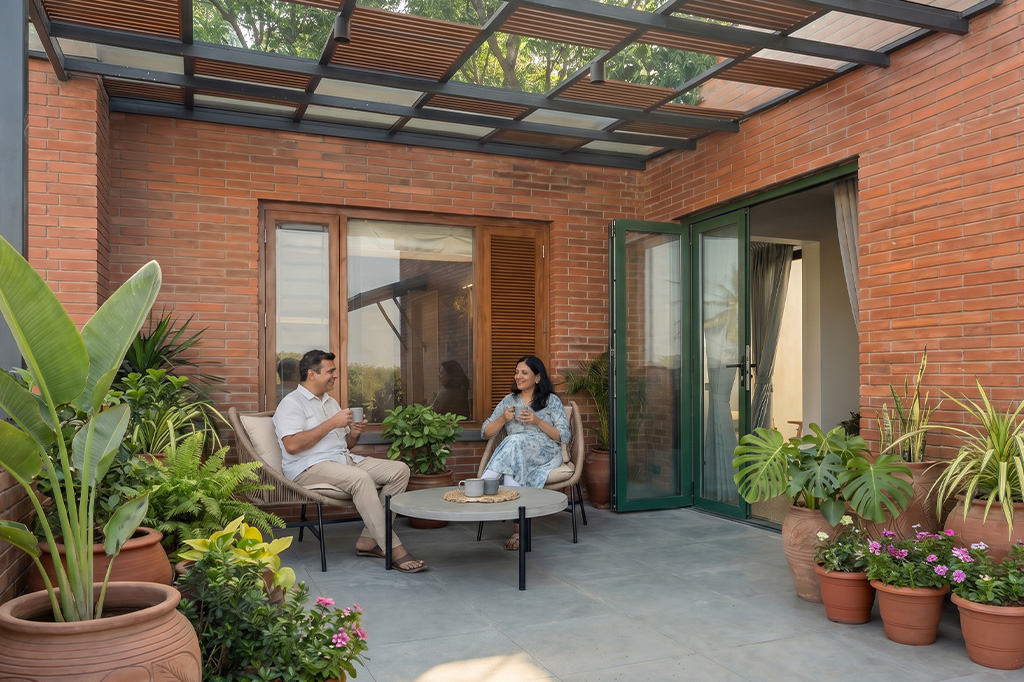
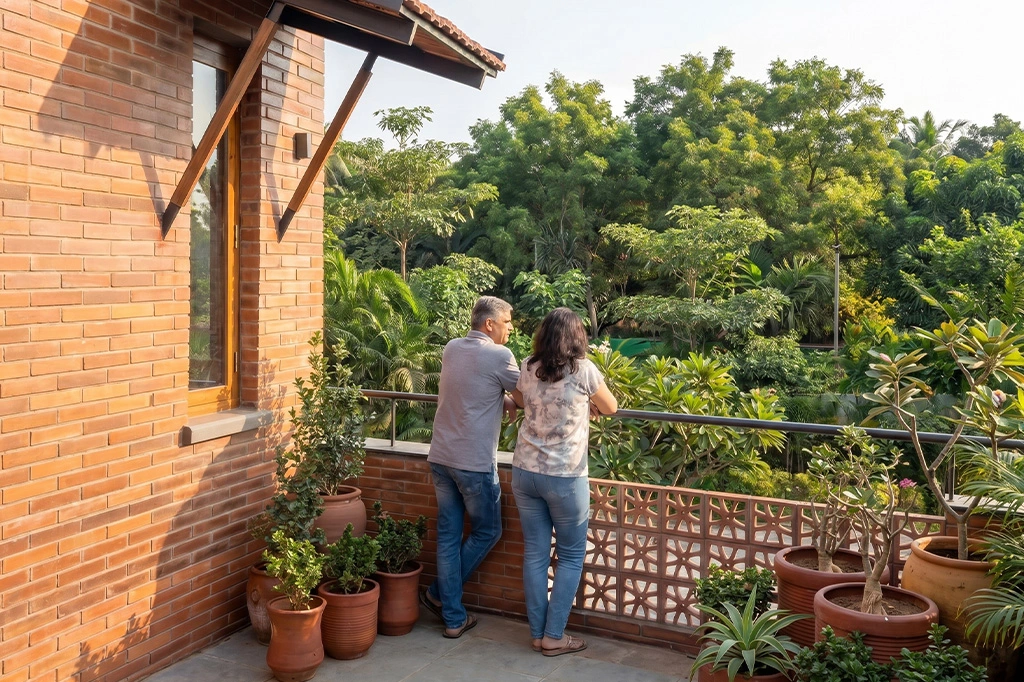
A home gradually becomes an extension of the people who inhabit it.
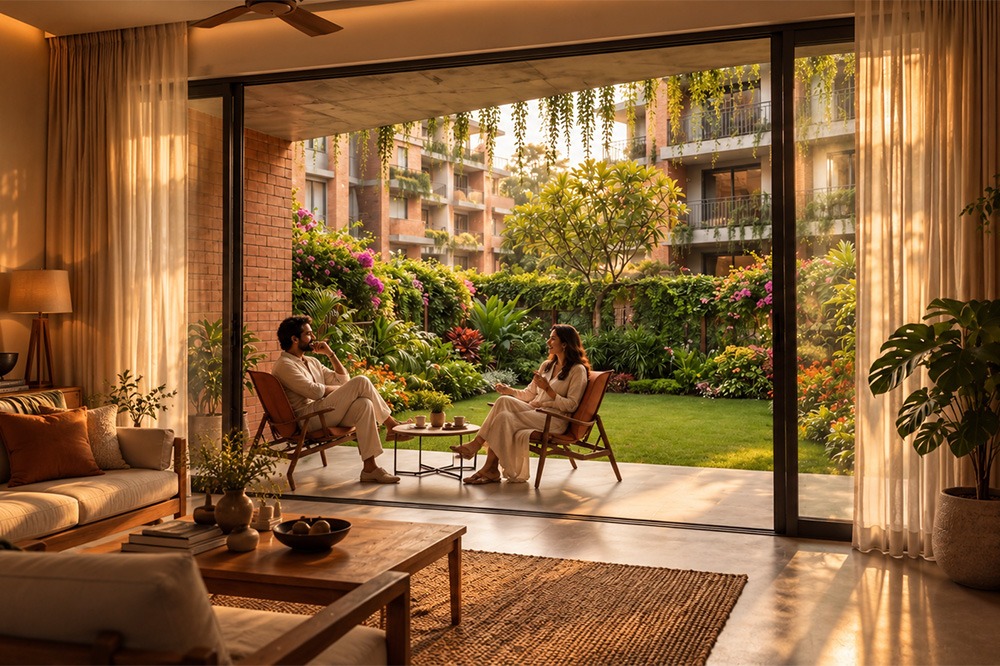
Everyday routines, family traditions and personal milestones contribute to an emotional connection with the surrounding environment. The layout, comfort and quality of a residence influence how naturally these experiences unfold.
A home that supports daily life with ease often becomes a place people develop a lasting attachment to.
This connection is built over time, through familiarity and the confidence that the spaces around them will continue to meet their needs.
Spaces That Adapt to Changing Family Needs, Family requirements rarely remain constant
A home that initially accommodates a young couple may eventually need to support children, visiting parents or changing professional routines.
This makes flexibility an important aspect of residential planning.
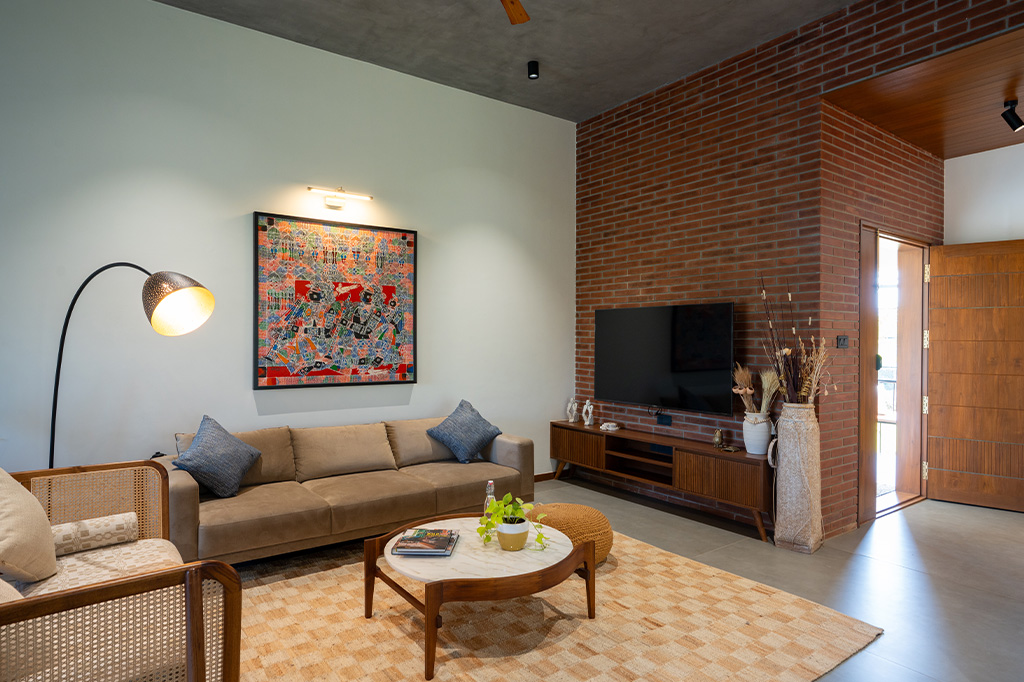
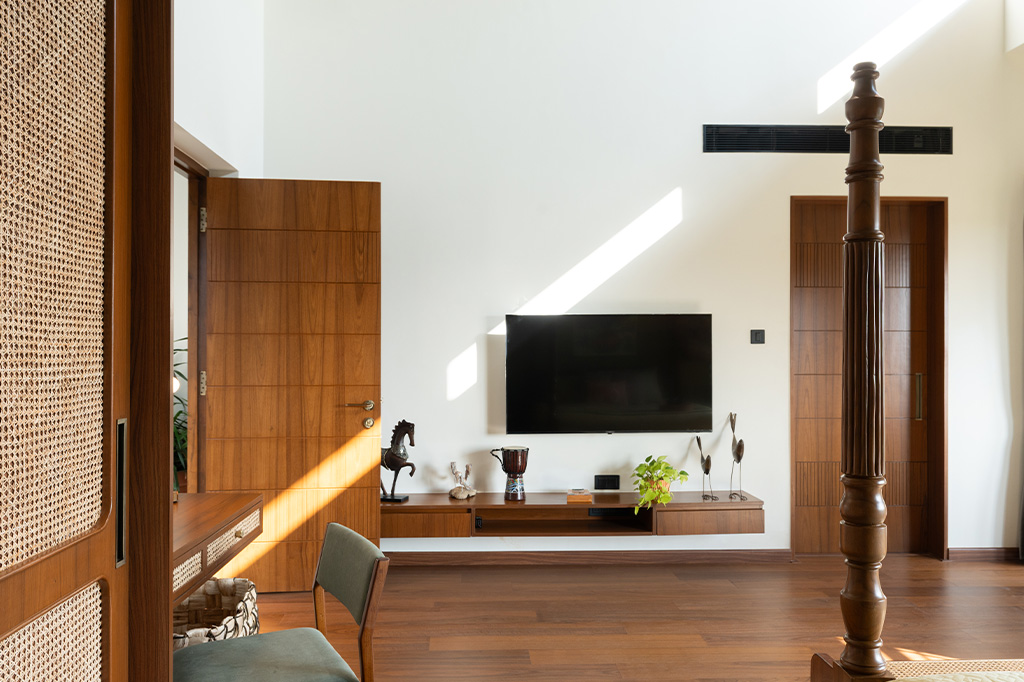
Well-proportioned rooms, practical storage, adaptable spaces and thoughtful circulation allow a home to respond to these changes without requiring significant alterations.
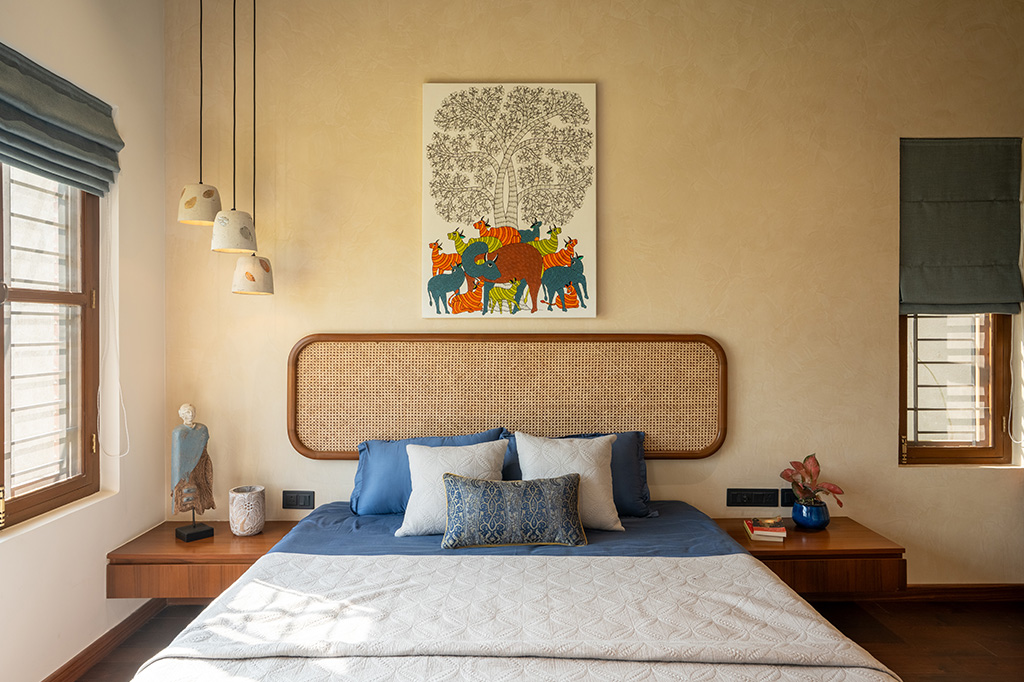
The relationship between private and shared spaces also matters. Living areas should encourage interaction, while bedrooms and personal spaces provide the privacy required by different members of the household.
A residence that adapts gracefully to its occupants is more likely to remain relevant over time.
Comfort Beyond the First Impression
Architectural appearance may create the initial impression of a home, but everyday comfort determines how it is experienced.
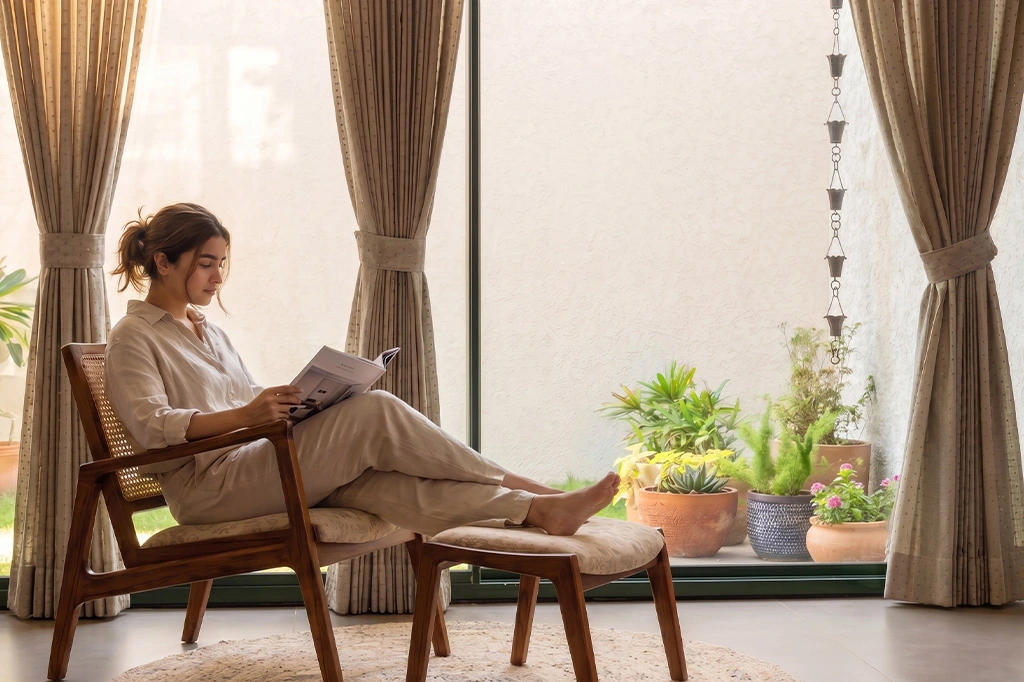
Natural light, ventilation, orientation and spatial proportions contribute to the quality of indoor environments.
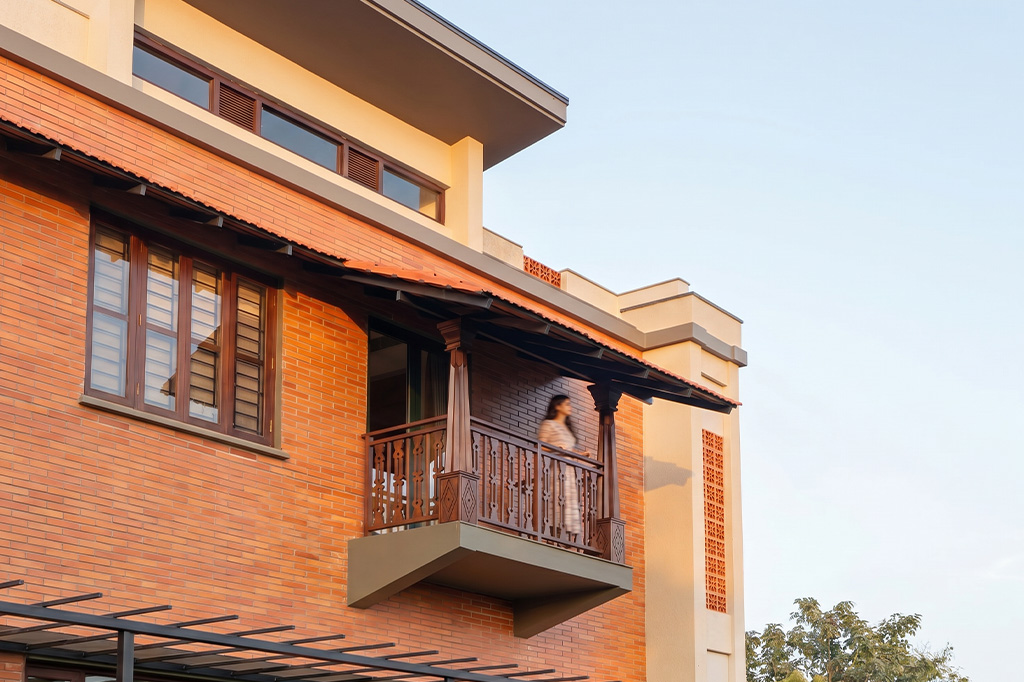
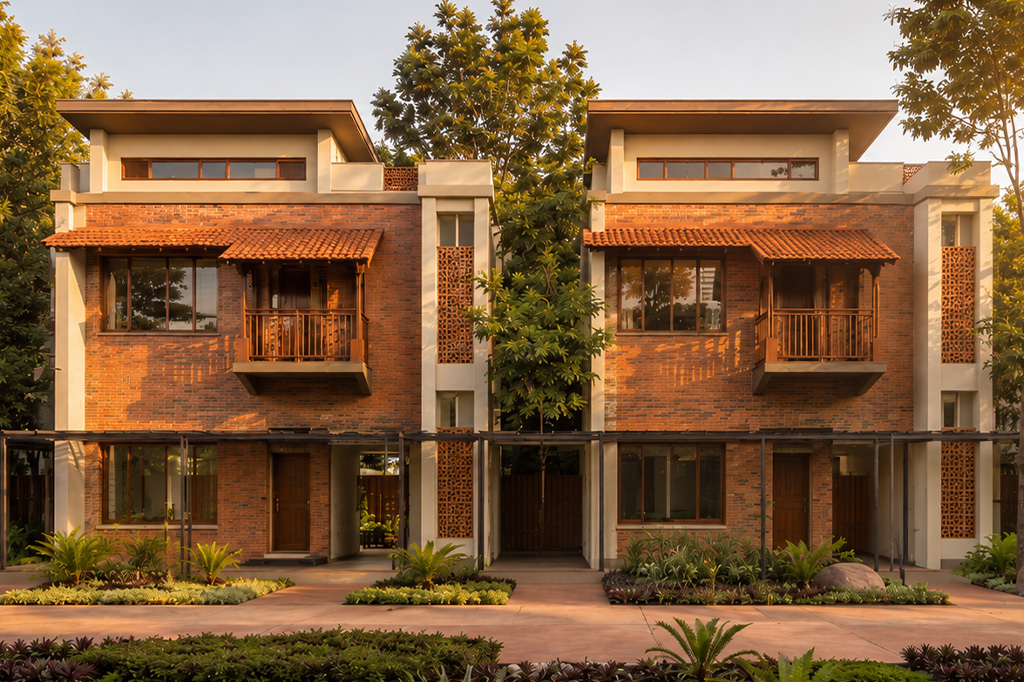
In Chennai, climate-responsive planning becomes particularly important. Shading, cross-ventilation and suitable material choices can improve comfort through changing weather conditions.
These decisions may not always be immediately visible, but their impact is experienced every day.
The quality of a home is often found in the details that make living effortless.
Materials That Stand the Test of Time
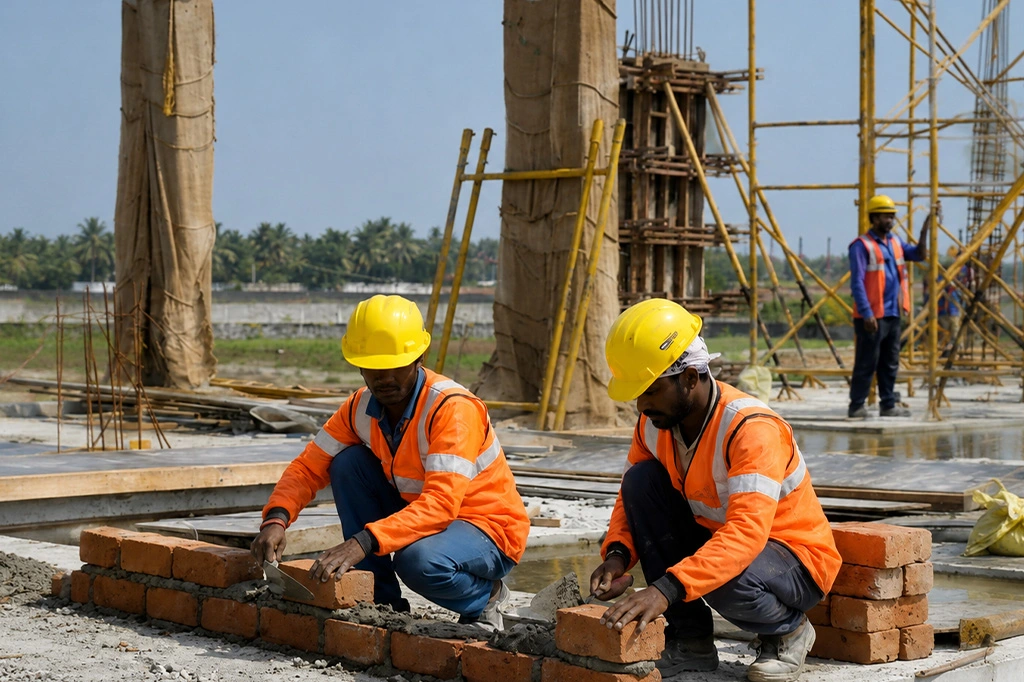
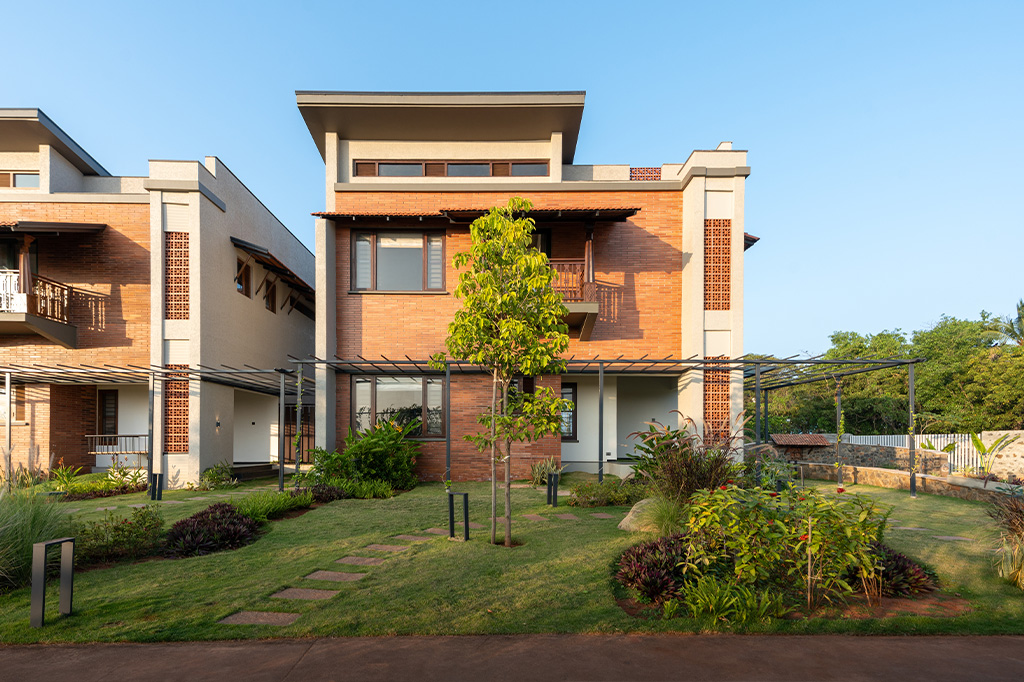
The longevity of a residence is influenced by the quality of its construction and the materials selected during development.
Flooring, window systems, waterproofing, plumbing and electrical provisions all contribute to how a building performs over the years.
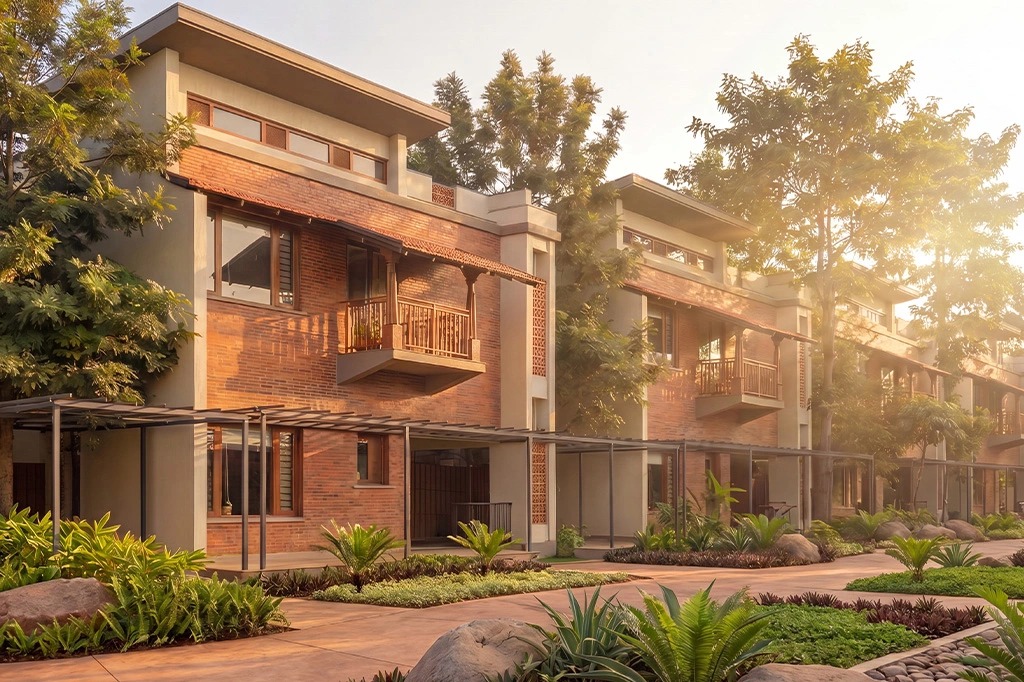
In a coastal city like Chennai, material selection and construction detailing require particular attention to heat, humidity and seasonal rainfall.
A well-executed development considers not only the immediate appearance of its finishes but also their durability and maintenance requirements.
For homebuyers, visiting previously completed developments can offer valuable insight into a developer’s standards of construction and execution.
A Residential Environment That Is Well Maintained
The experience of a home extends beyond its individual boundaries.
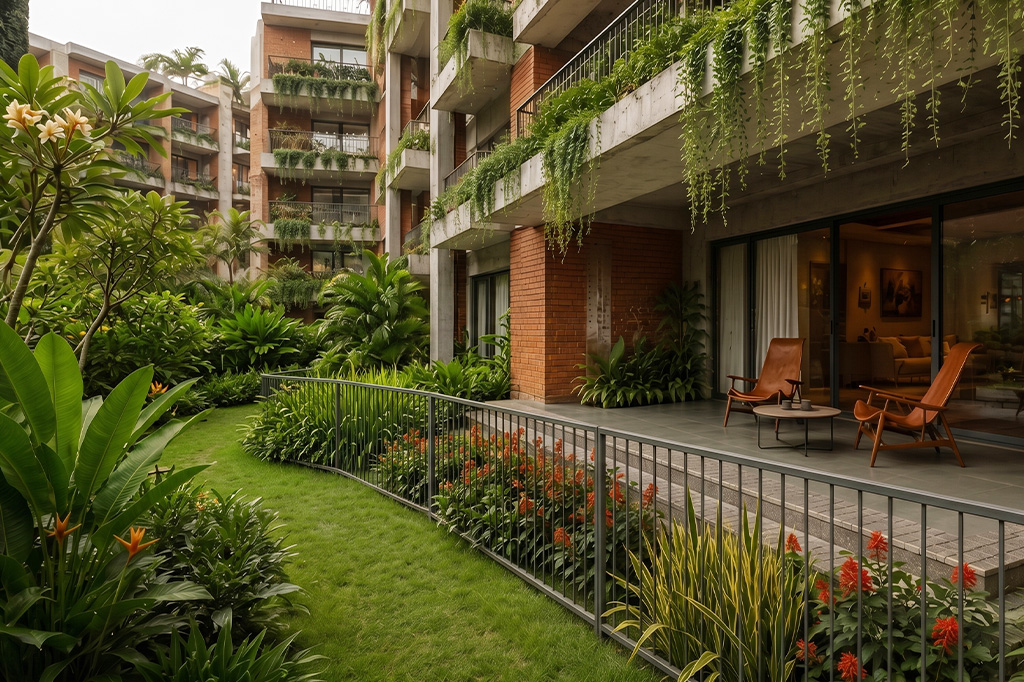
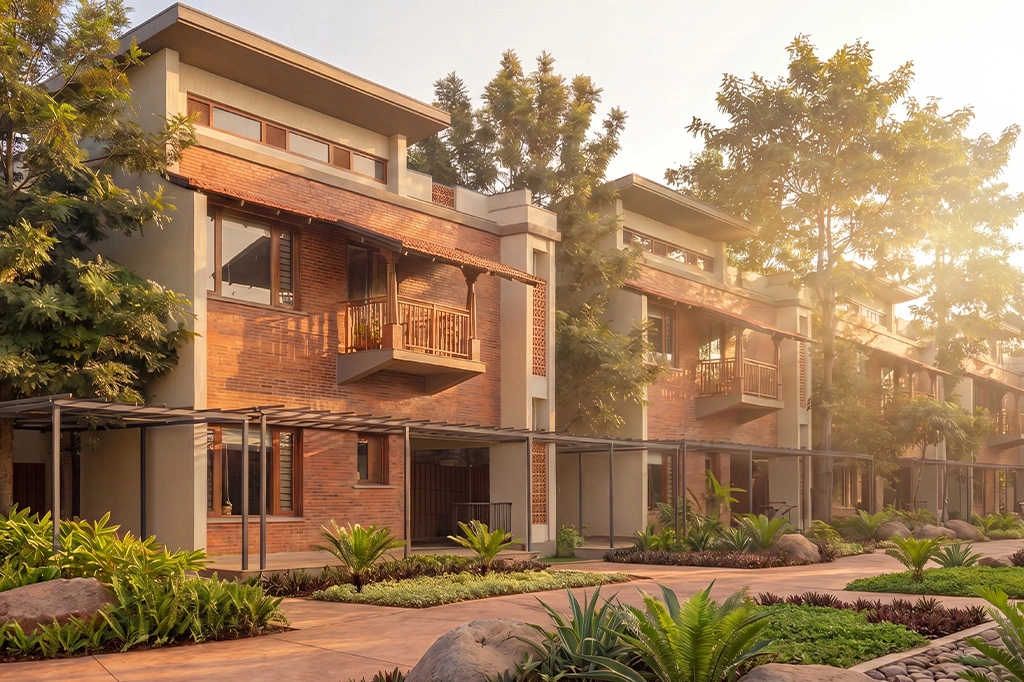
Lobbies, lifts, landscaped areas, circulation spaces and shared facilities influence the overall quality of residential living.
A thoughtfully developed community requires a clear approach to maintenance and management. Regular upkeep, transparent maintenance practices and effective facility management help preserve the quality of shared environments.
These considerations become increasingly important as a development matures.
A well-maintained residential environment allows the original quality of the development to remain part of everyday life.
The Role of Community in Lasting Homes
The people and experiences surrounding a home contribute significantly to its character.
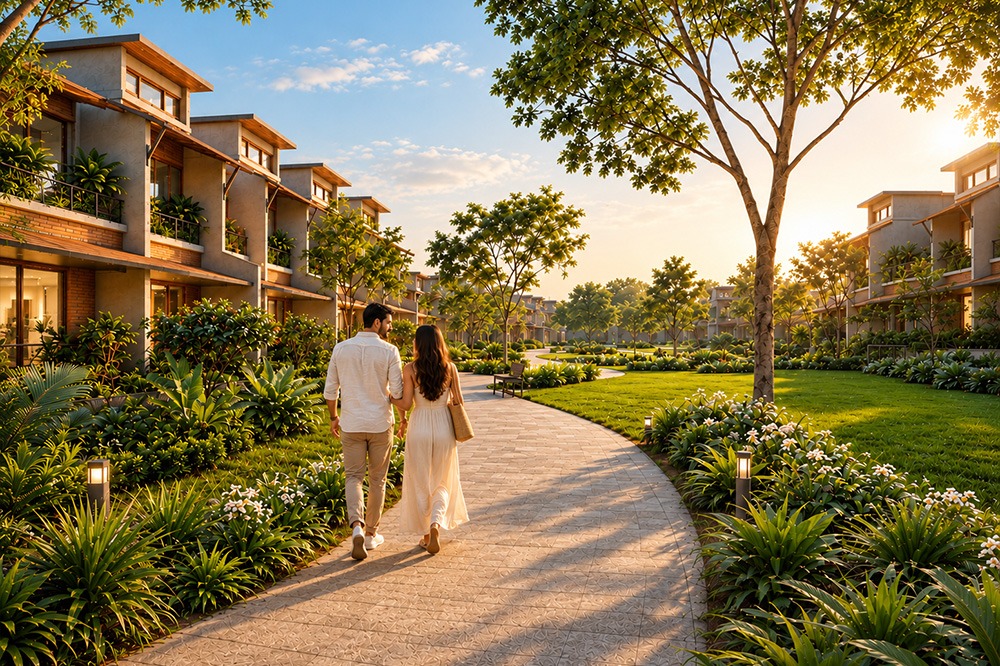
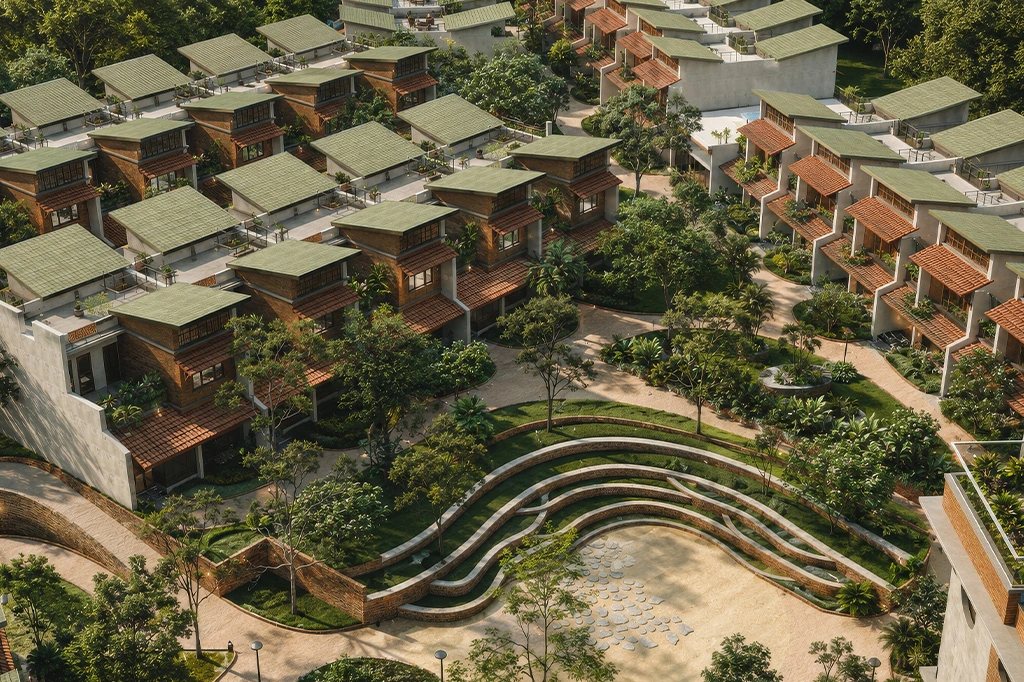
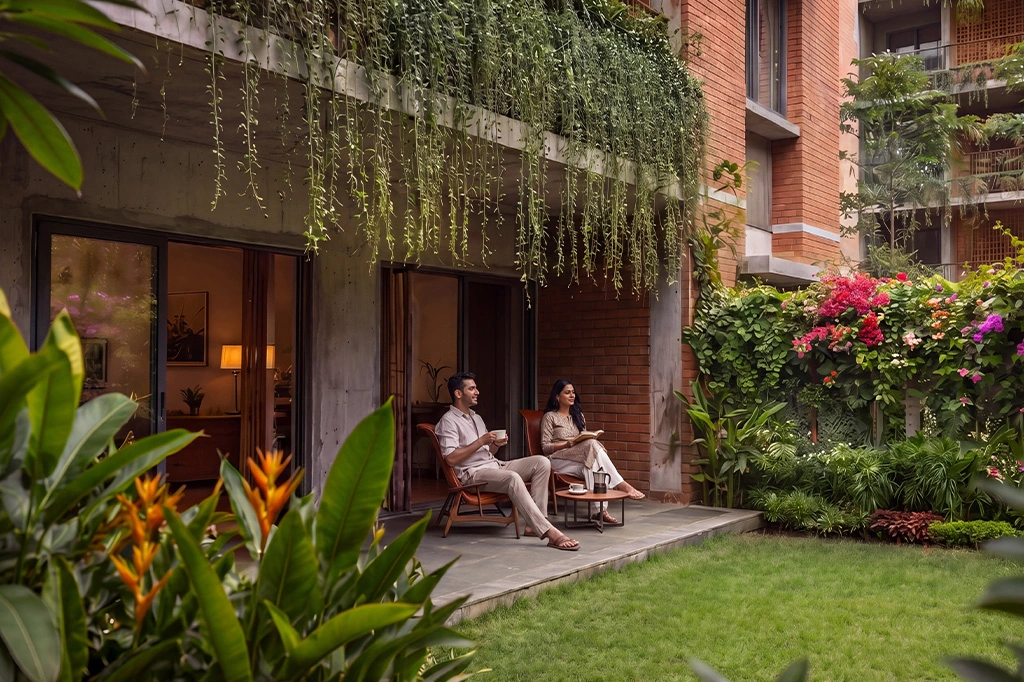
Shared gardens, walking paths, recreational facilities and gathering spaces create opportunities for residents to interact naturally.
Over time, these interactions can develop into meaningful relationships that strengthen the sense of community.
The planning of shared spaces therefore deserves the same attention as the design of individual residences.
A successful residential development creates opportunities for interaction without imposing it, allowing residents to participate in community life at their own pace.
Location and the Convenience of Everyday Living
A well-designed home becomes even more meaningful when its location supports the needs of everyday life.
Access to schools, healthcare, workplaces, retail destinations and essential services influences how residents experience their neighbourhood.
Connectivity also plays an important role in maintaining convenience as family requirements change.
For buyers evaluating premium homes in Chennai, the surrounding infrastructure and long-term relevance of the location deserve careful consideration.
A good address is not simply one that carries recognition. It is one that continues to serve its residents well.
What Makes a Home Worth Staying In?
Homes that remain meaningful over generations often share a common foundation.
They are thoughtfully planned, comfortable through changing seasons, constructed with attention to quality and situated within environments that support everyday life.
Their distinction does not come from a single architectural feature or impressive amenity. It emerges through the relationship between design, durability and the experiences they make possible.
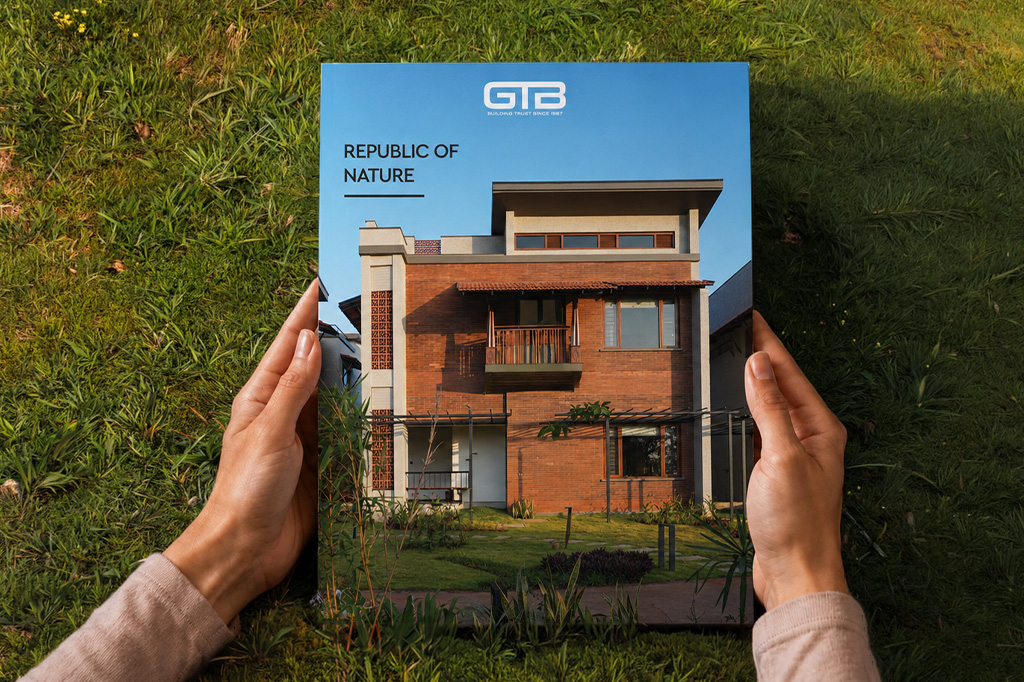
At GTB, the approach to residential development is guided by the belief that lasting value is created through thoughtful design and considered execution.
Ultimately, the homes people never want to leave are those that continue to feel right, not just on the day they move in, but through every chapter that follows.